Product Introduction
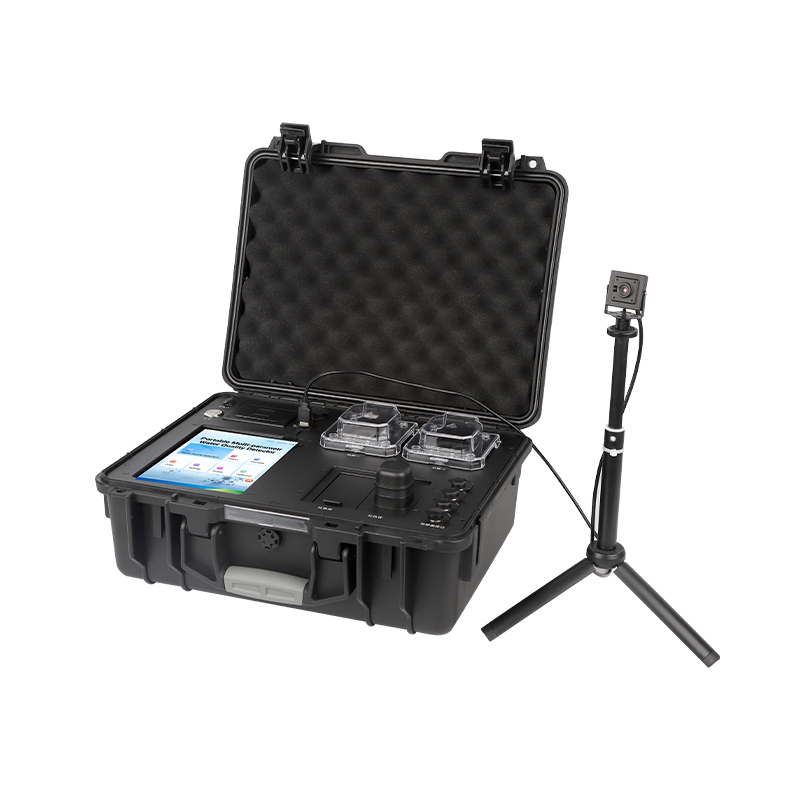
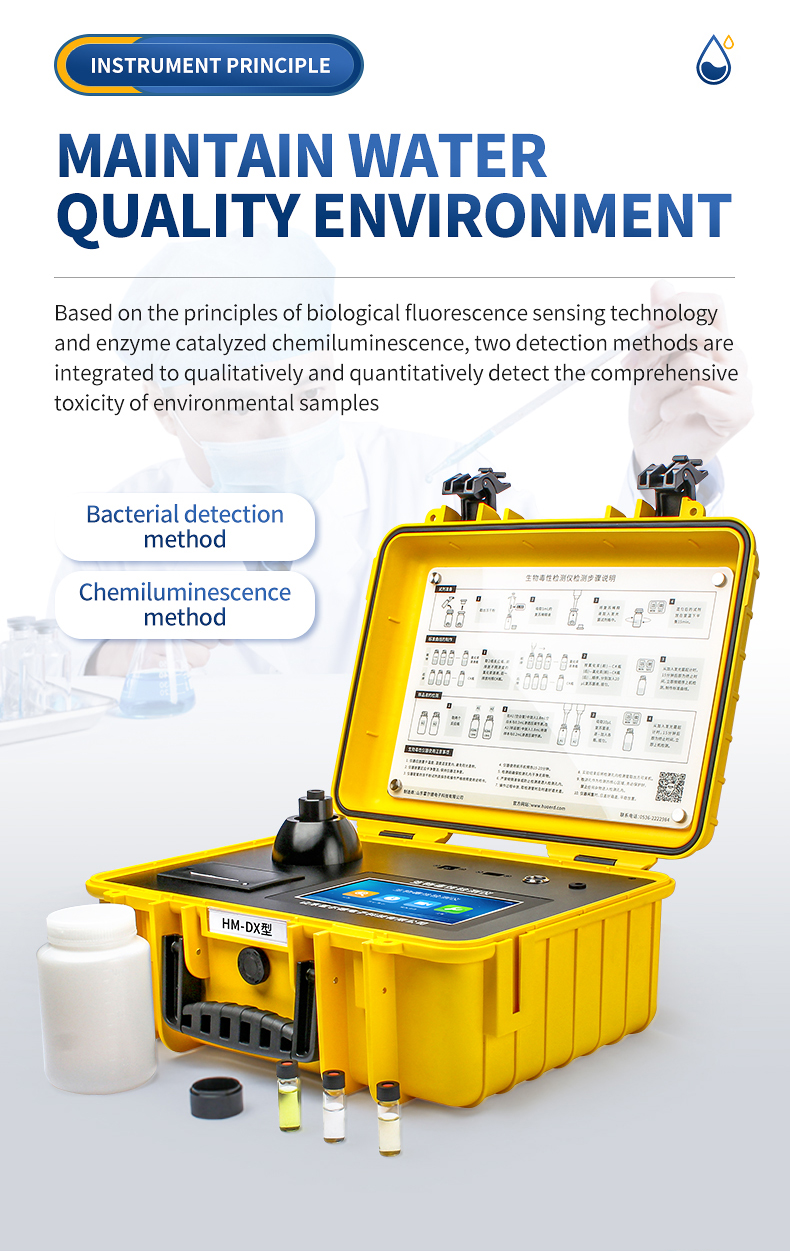
Industrial facilities, municipal wastewater treatment plants, and environmental regulatory agencies face a common challenge: how to obtain reliable, quantitative toxicity data at the point of discharge without waiting days for laboratory results. Current regulatory frameworks increasingly require biological toxicity testing alongside chemical parameter monitoring, yet many facilities lack the on-site capability to perform both quantitative and qualitative toxicity assessments. The HM-BDX portable biological toxicity analyzer addresses this gap by integrating two complementary detection methods into a single field-deployable platform.
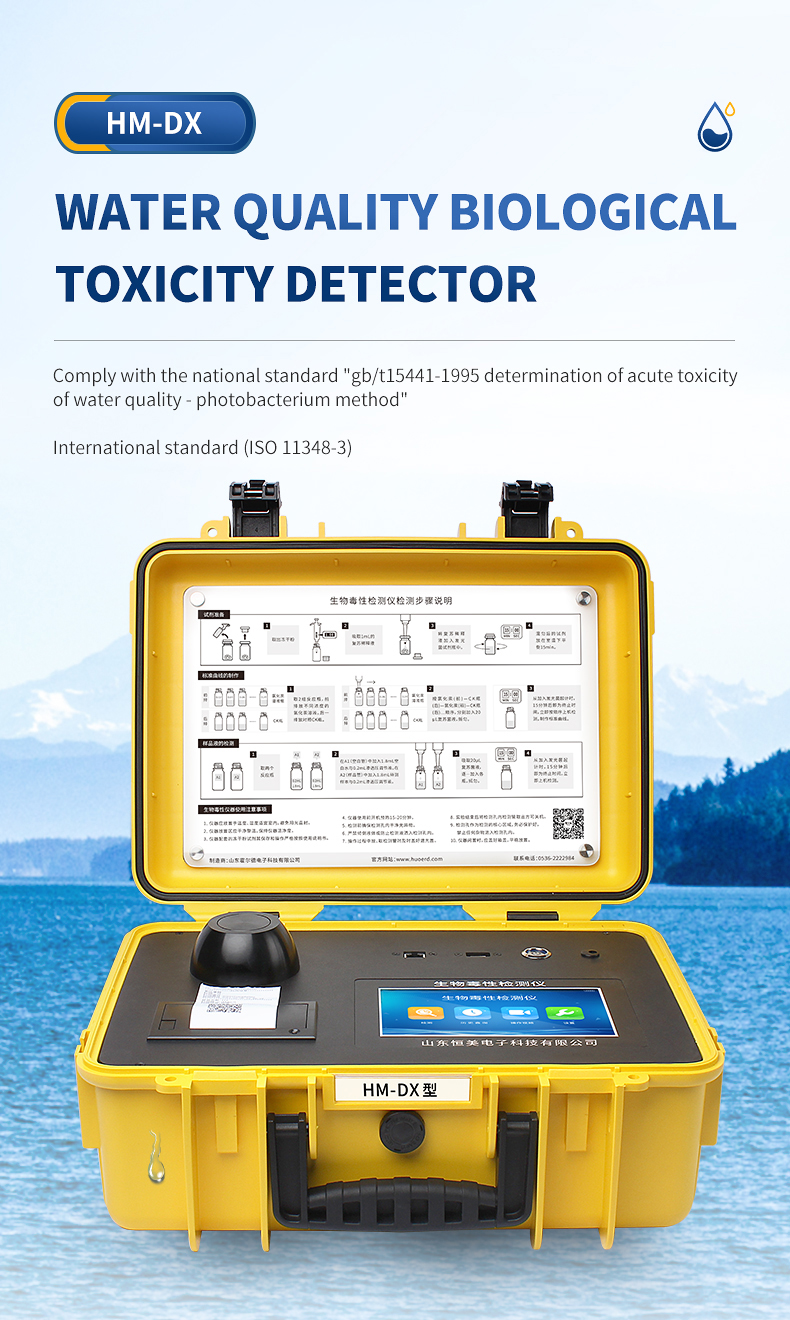
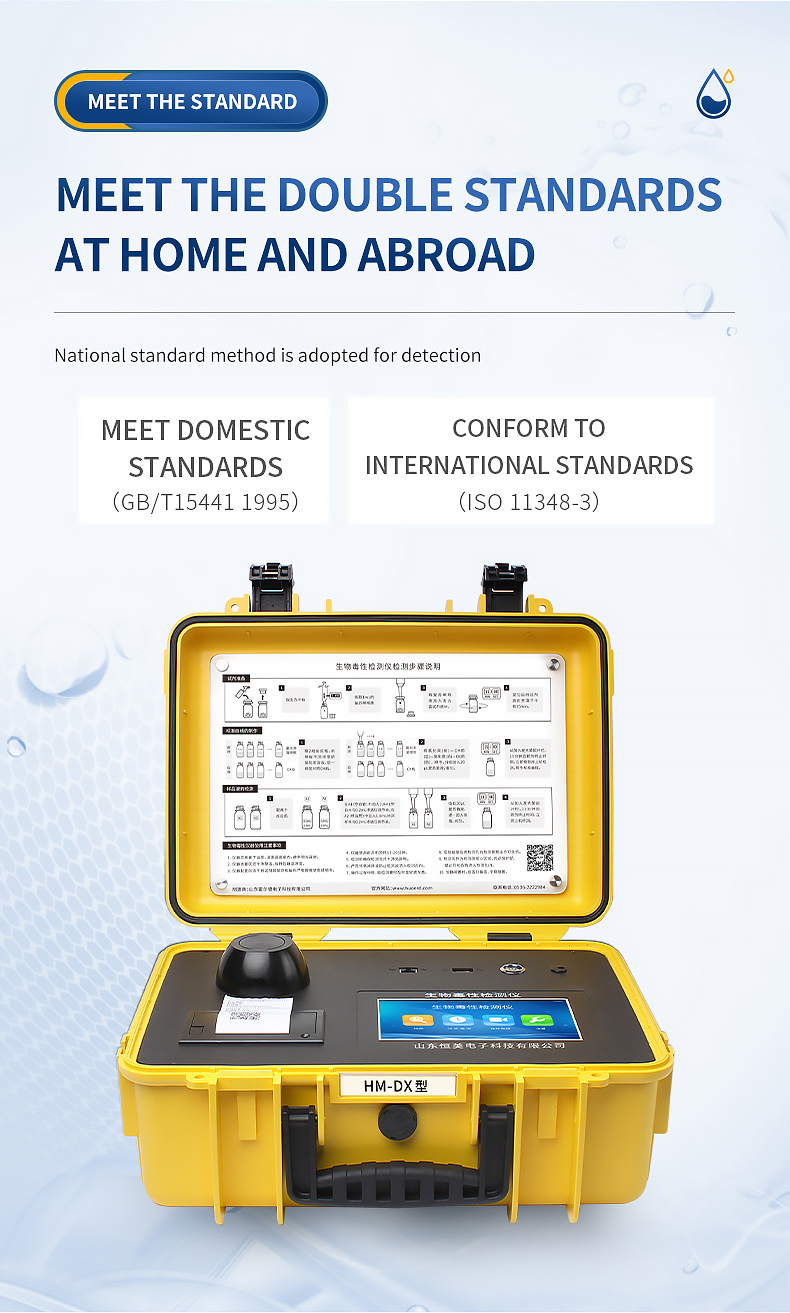
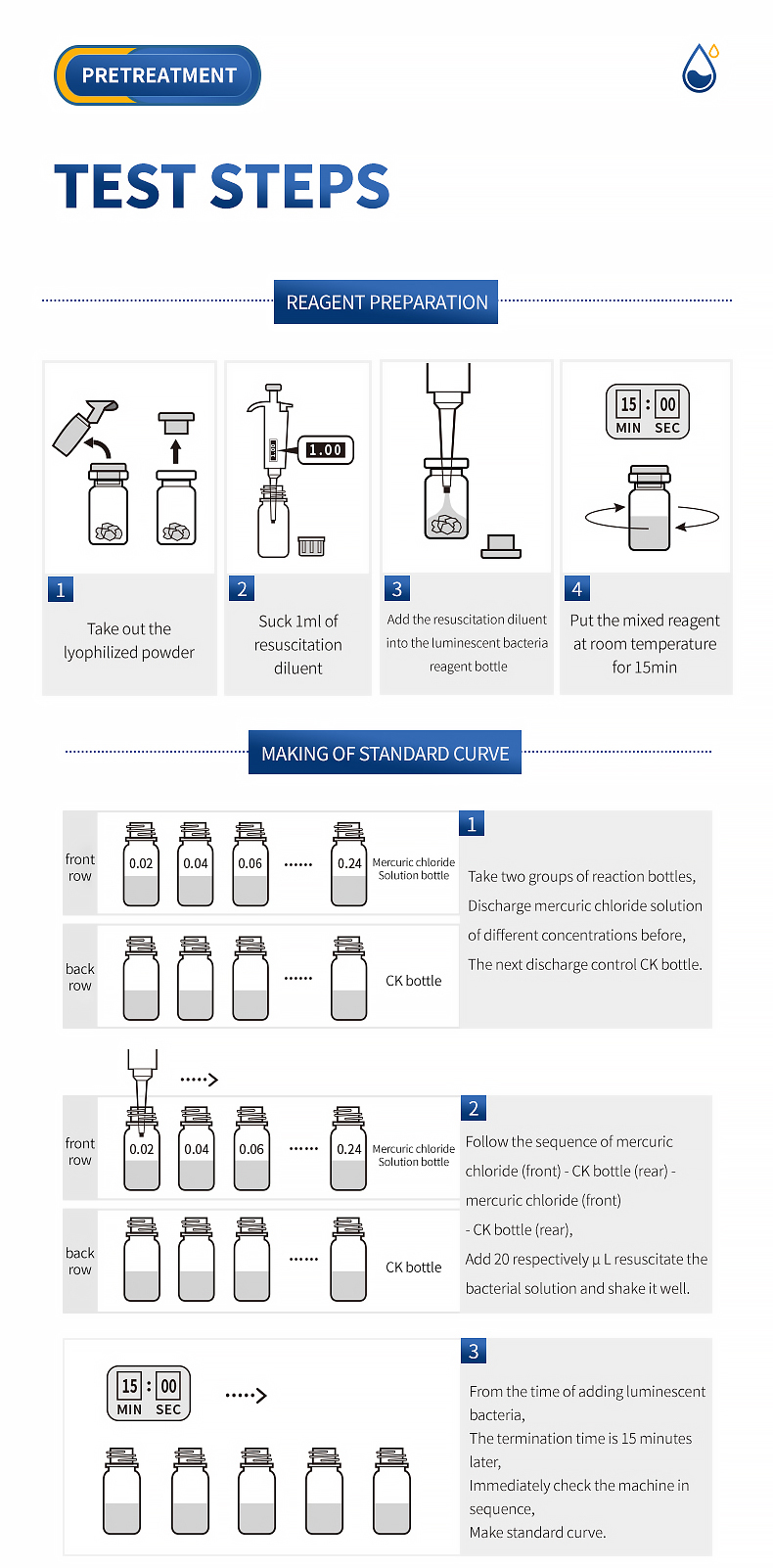
The quantitative bioluminescent bacteria method measures the degree to which toxic substances inhibit bacterial metabolism, producing luminescence inhibition rates and concentration values in mg/L. This approach, compliant with GB/T 15441-1995 and ISO 11348-3, captures the aggregate toxic effect of all contaminants present — including synergistic effects between substances that individual chemical tests cannot predict. The qualitative chemiluminescence method employs horseradish peroxidase-catalyzed luminescence, where toxic substances inhibit enzyme activity to produce rapid yes/no toxicity screening with five-level classification (low, moderate, high, severe, acute toxicity).
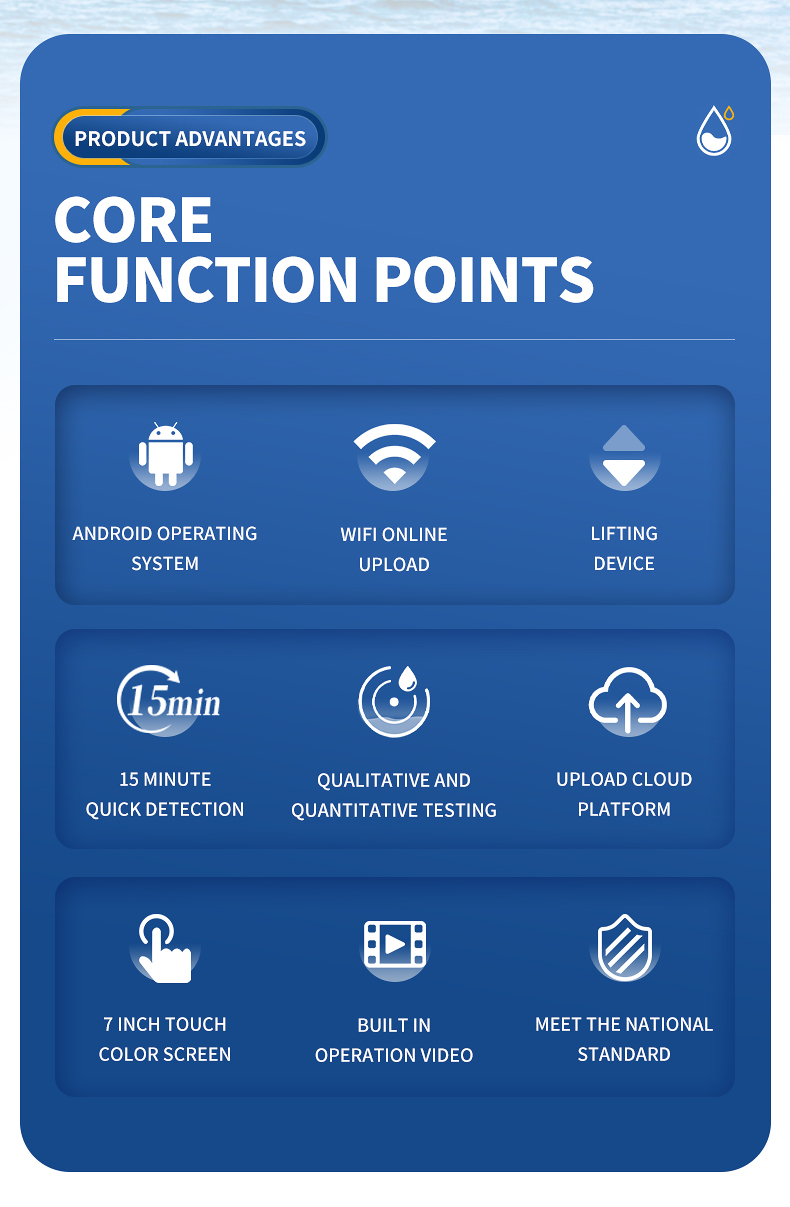
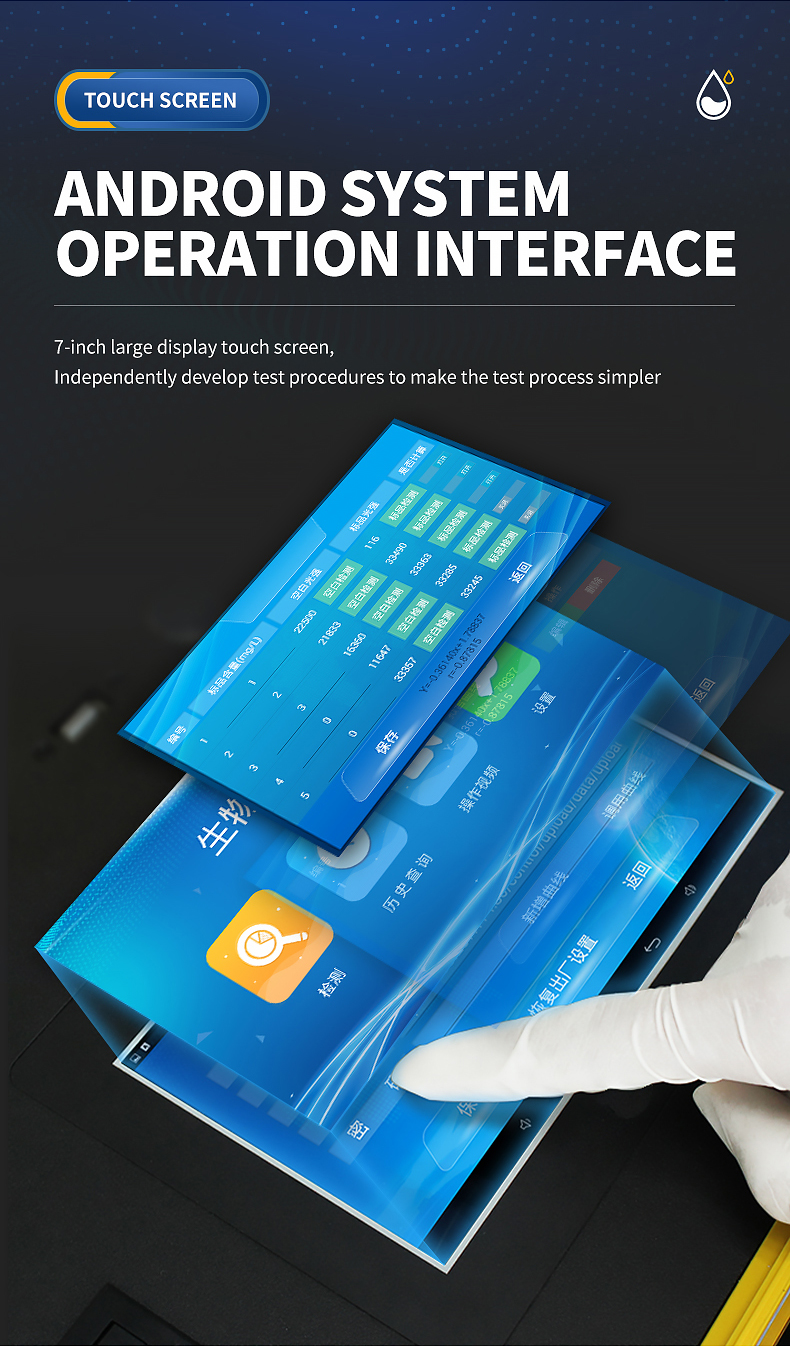
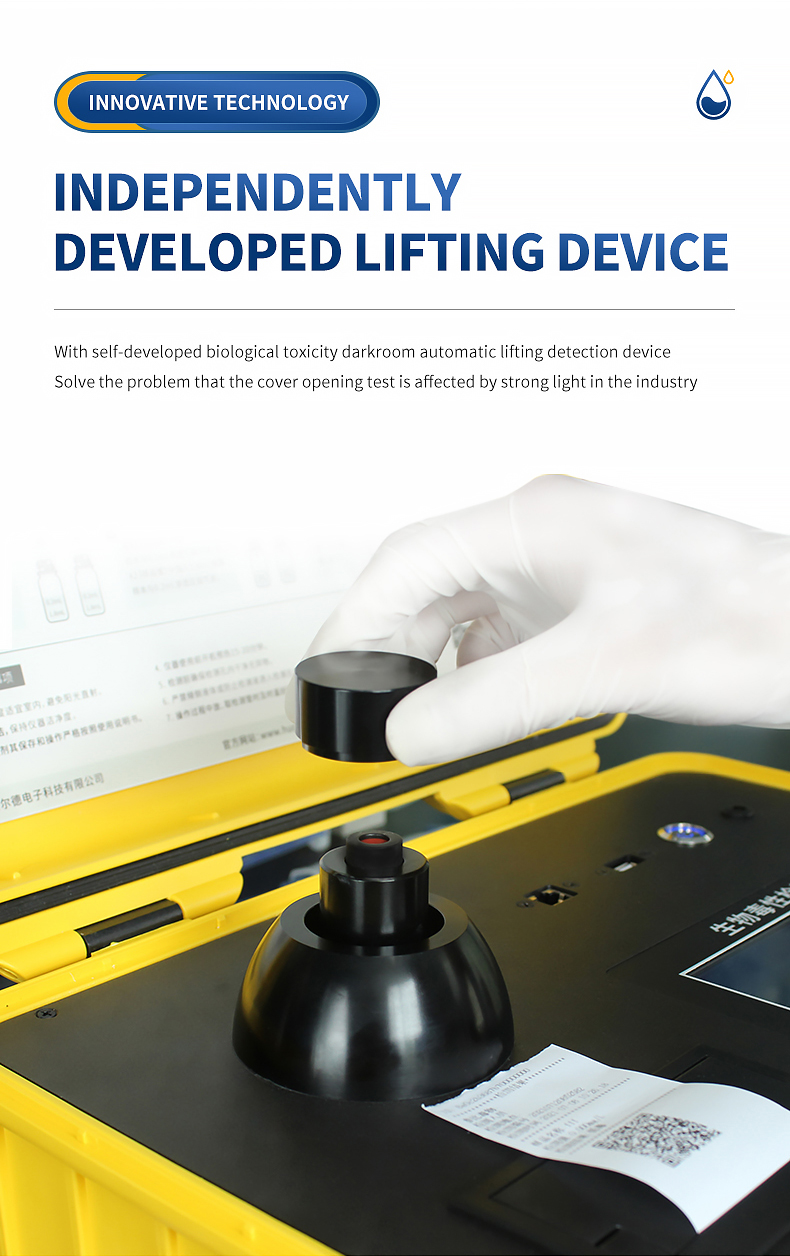
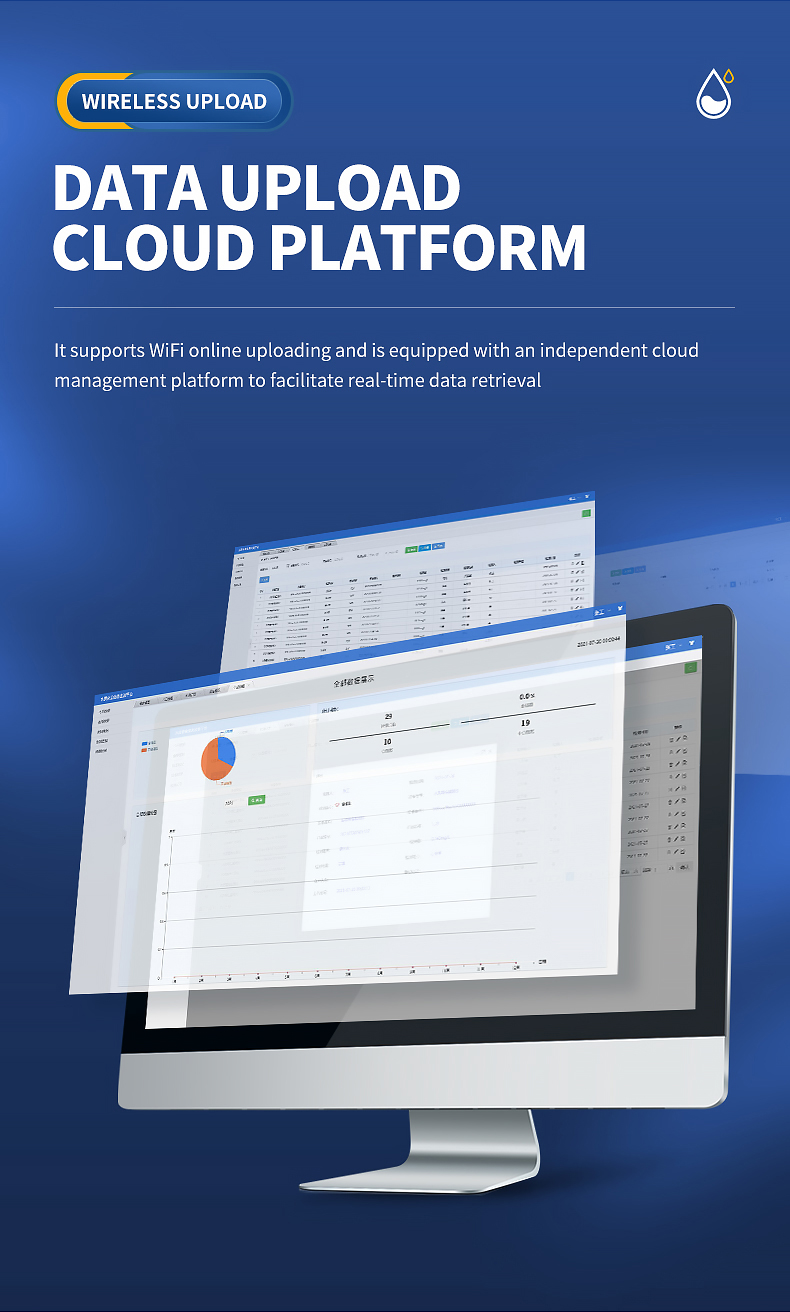
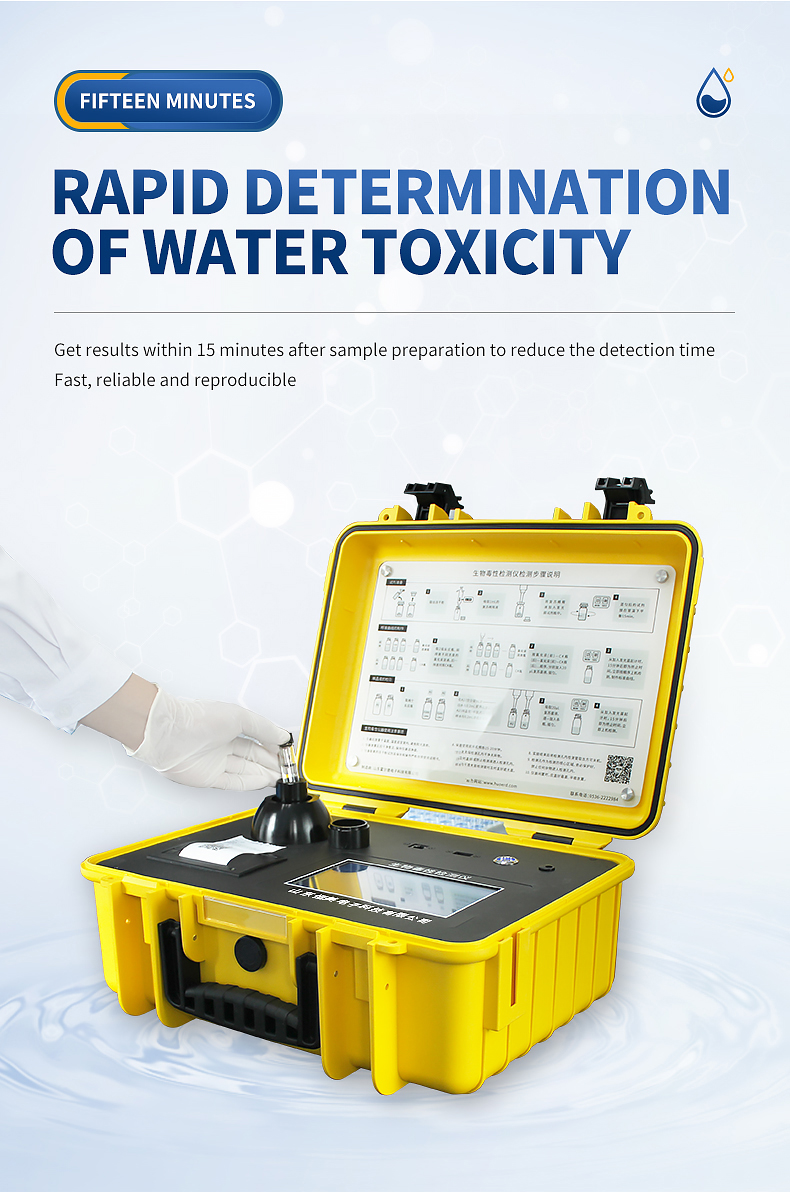
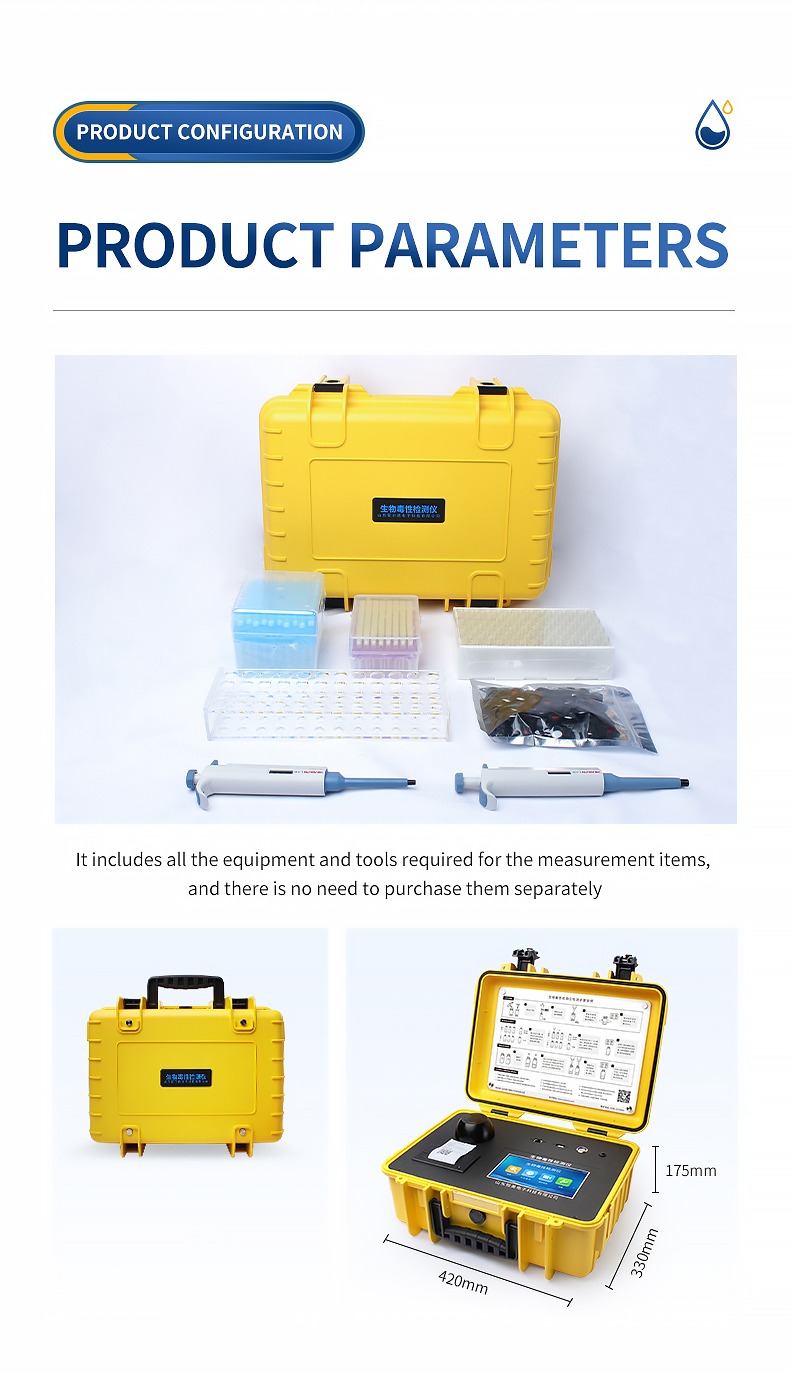
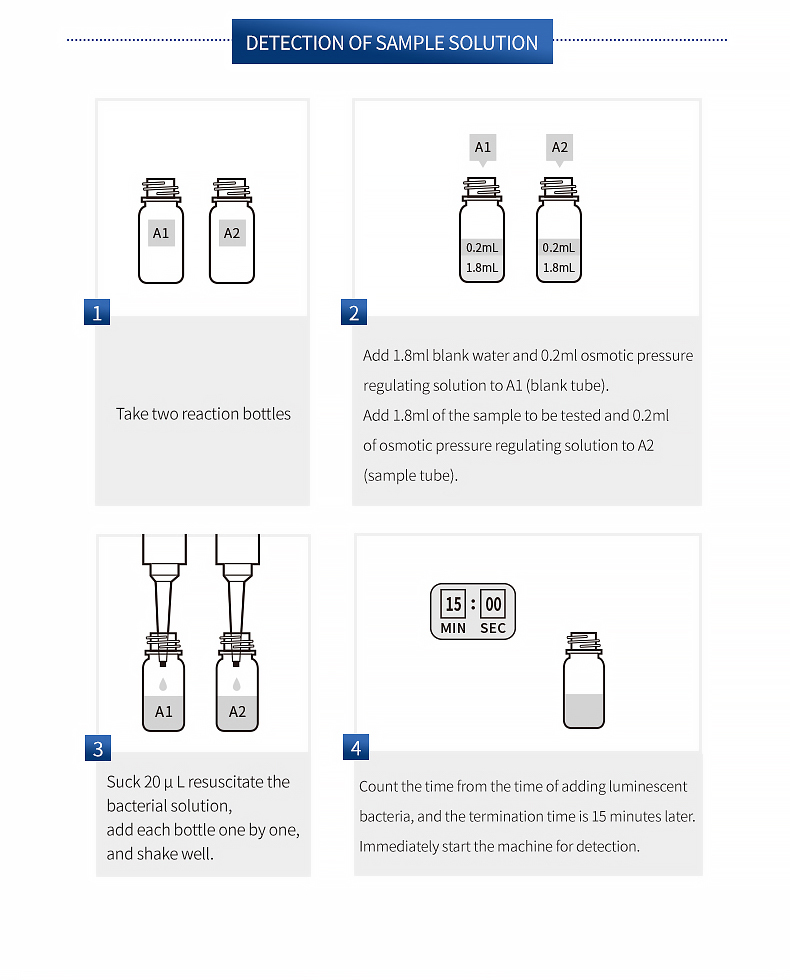
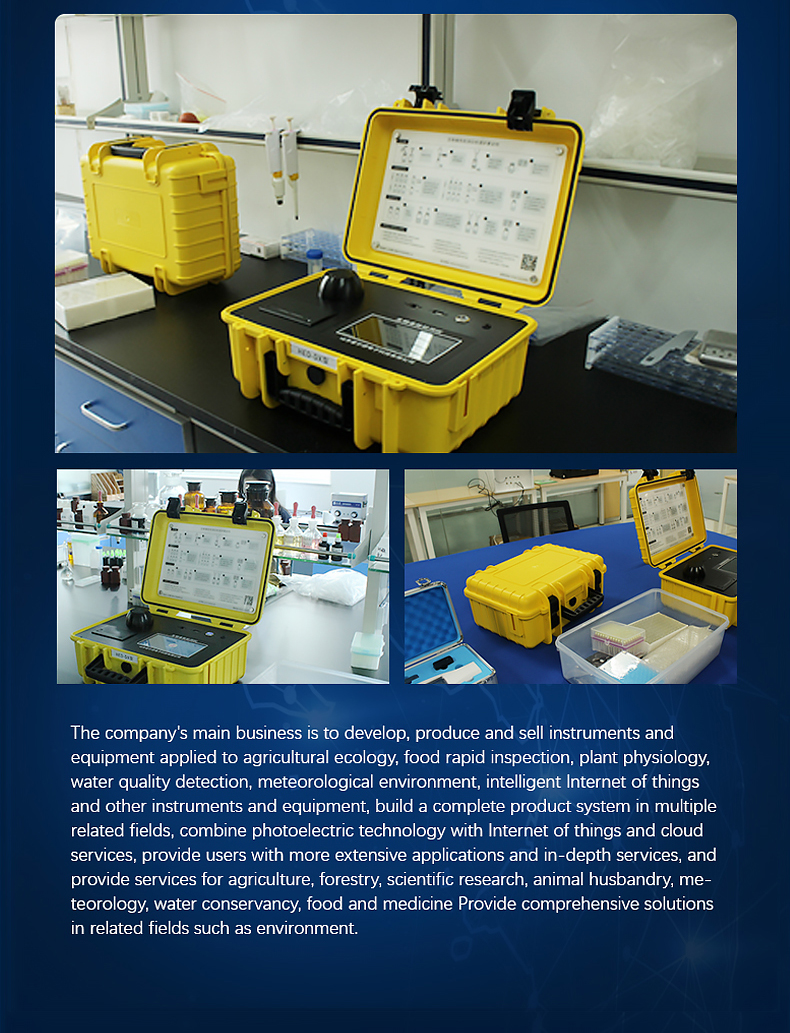
With a 15-minute sample-to-result workflow, the HM-BDX enables operators to make immediate decisions about discharge compliance during routine monitoring or emergency incidents. The auto-elevating detection dark chamber ensures consistent measurement conditions, while the 7-inch touchscreen provides intuitive operation. Cloud connectivity via RJ45, WiFi, or 4G allows real-time data upload to centralized monitoring platforms, supporting regulatory reporting requirements across distributed facilities. The built-in 6000mAh battery delivers over 8 hours of field operation, and the thermal printer provides immediate documentation for compliance records.
Applications
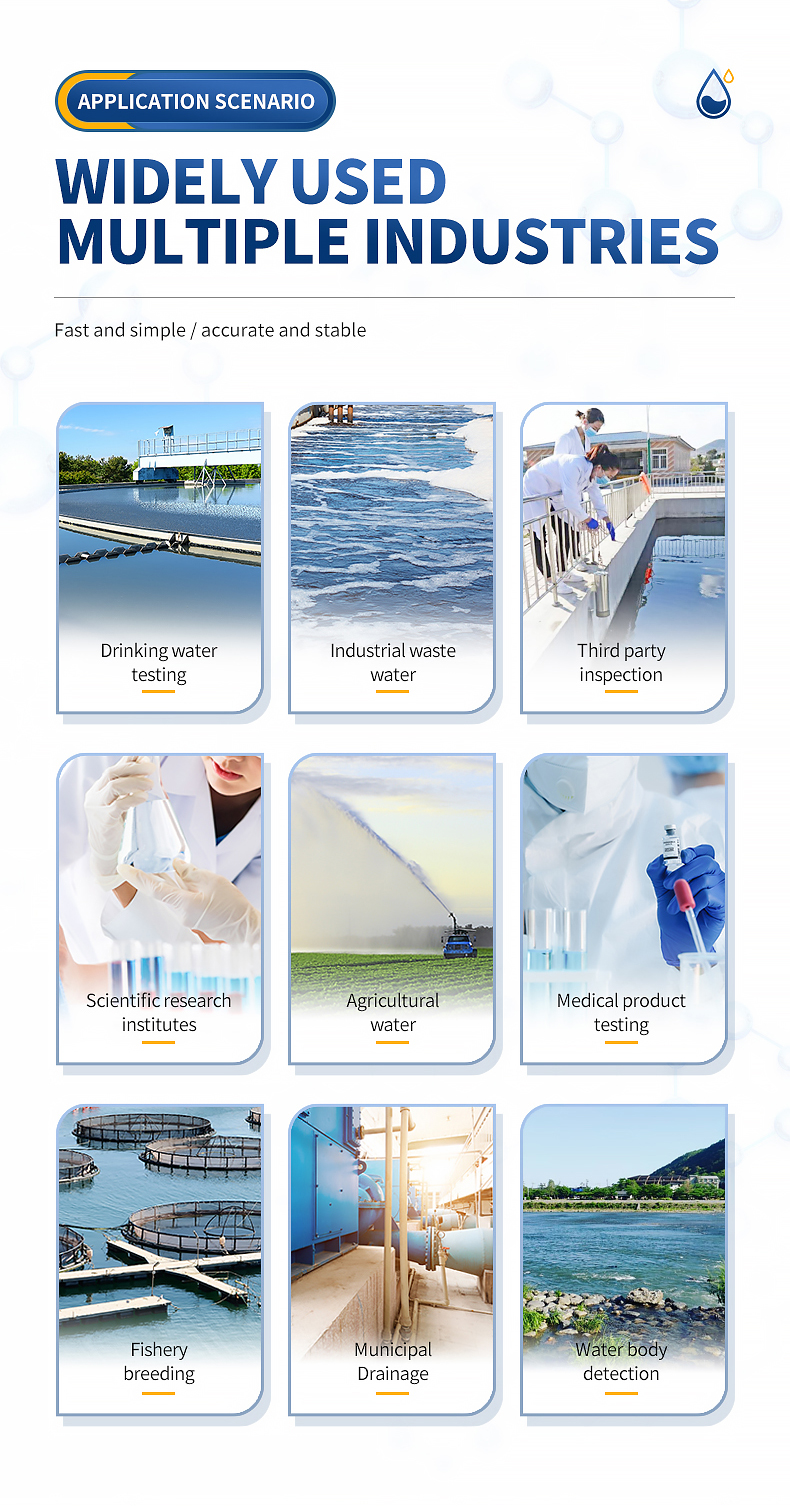
Industrial wastewater discharge compliance: Quantitative toxicity monitoring at factory outfalls to verify that effluent meets national and local biological toxicity discharge standards before mixing with receiving water bodies.
Municipal wastewater treatment optimization: Monitoring influent and effluent toxicity levels to adjust treatment processes and verify biological treatment effectiveness under varying load conditions.
Chemical plant emergency response: Rapid on-site toxicity grading during accidental spills or process upsets, enabling immediate containment decisions and regulatory notification.
Surface water environmental monitoring: Periodic toxicity assessment of rivers, lakes, and reservoirs downstream of industrial zones to track water quality trends and identify emerging contamination sources.
Drinking water source early warning: Screening raw water intake points for acute toxicity threats, complementing routine chemical parameter monitoring with biological safety assessment.
Research and method development: Evaluating toxicity of new industrial chemicals, treatment byproducts, and environmental samples in academic and contract research laboratories.
Key Features & Advantages
Dual-method detection eliminates need for separate instruments: Quantitative bioluminescent bacteria method and qualitative chemiluminescence method provide complementary toxicity data from a single portable device.
Quantitative toxicity output in mg/L supports regulatory limits: Unlike purely qualitative instruments, the HM-BDX provides concentration values that can be directly compared against discharge permit thresholds.
Five-level toxicity classification enables rapid risk communication: Qualitative results from low to acute toxicity allow non-technical stakeholders to understand contamination severity without interpreting numerical data.
15-minute test workflow accelerates compliance decisions: Sample-to-result time enables real-time discharge management instead of retrospective analysis after environmental damage has occurred.
Auto-elevating dark chamber ensures measurement consistency: Automated chamber positioning eliminates operator variability in sample placement, improving repeatability with relative deviation below 1%.
Cloud data management for multi-site regulatory reporting: Real-time data upload via RJ45, WiFi, or 4G enables centralized compliance monitoring across distributed discharge points and facilities.
Clean water inhibition rate accuracy ≤±5%: High measurement precision in blank and low-toxicity samples ensures reliable pass/fail discrimination near regulatory thresholds.
Zn²⁺ relative linear error ≤±10%: Validated linearity against reference toxicant ensures quantitative reliability across the measurement range.
Sensitivity equivalent or superior to fish 96h culture method: Biological response sensitivity meets or exceeds the traditional bioassay benchmark, with results available in minutes rather than days.
8-hour battery endurance supports full-shift field monitoring: Built-in 6000mAh lithium battery enables continuous operation throughout extended sampling campaigns without external power.
On-board thermal printer for immediate compliance documentation: Printed results at the point of measurement satisfy chain-of-custody and audit trail requirements for regulatory inspections.
Technical Specifications
| Parameter | Specification |
|---|
| Product Model | HM-BDX |
| Product Type | Portable biological toxicity analyzer |
| Detection Principle | Bioluminescent bacteria metabolism inhibition + HRP-catalyzed chemiluminescence |
| Toxicity Detection Mode | Quantitative (bioluminescent bacteria) + Qualitative (chemiluminescence) |
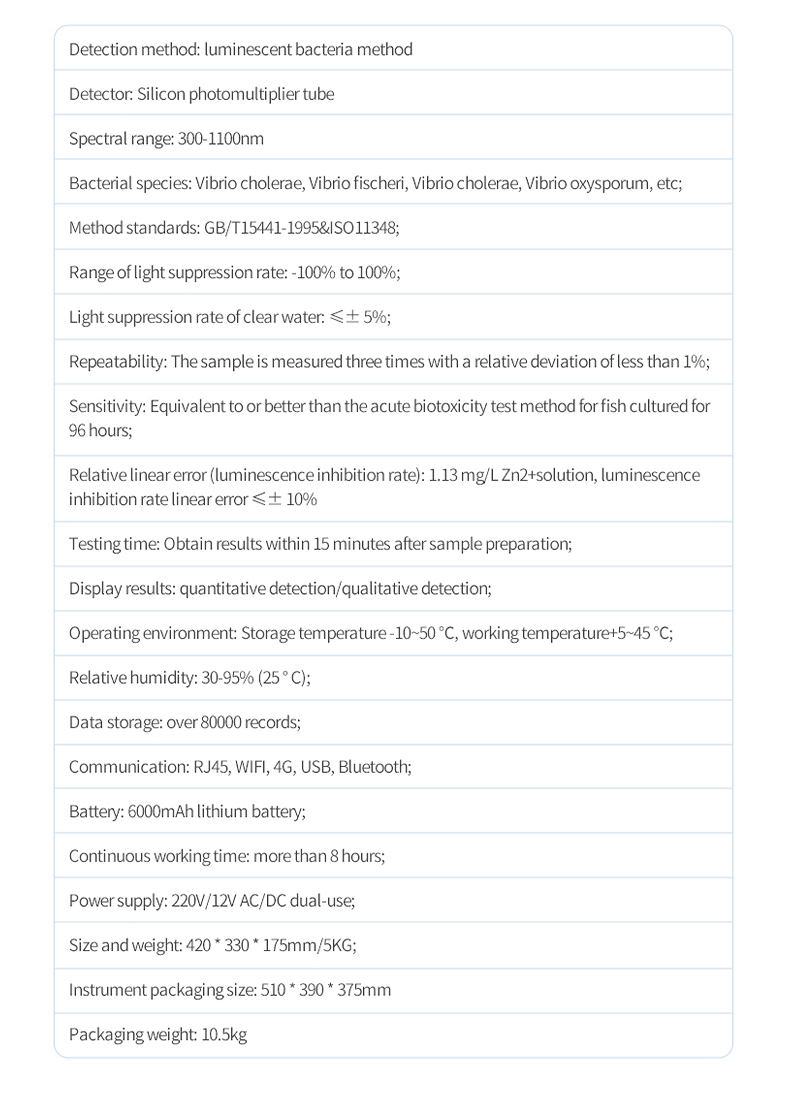
| Detector Type | Silicon photomultiplier (SiPM) |
| Dark Chamber | Auto-elevating detection dark chamber |
| Display | 7-inch color touchscreen |
| Measurement Range | 0 ~ 1×10⁷ mV |
| Spectral Range | 340 ~ 1000 nm |
| Inhibition Rate Range | -100% ~ 100% |
| Clean Water Inhibition Rate | ≤±5% |
| Repeatability | 3 measurements relative deviation < 1% |
| Sensitivity | Equivalent or superior to fish 96h culture method |
| Zn²⁺ Relative Linear Error | ≤±10% |
| Test Time | 15 min after sample preparation |
| Result Display | mg/L / Low-Moderate-High-Severe-Acute / % |
| Connectivity | RJ45, WiFi, 4G, Bluetooth |
| Battery | Built-in 6000mAh, 8h+ endurance |
| Printer | Thermal printer |
| Data Management | Cloud data management platform |
| Optional | BeiDou satellite positioning |
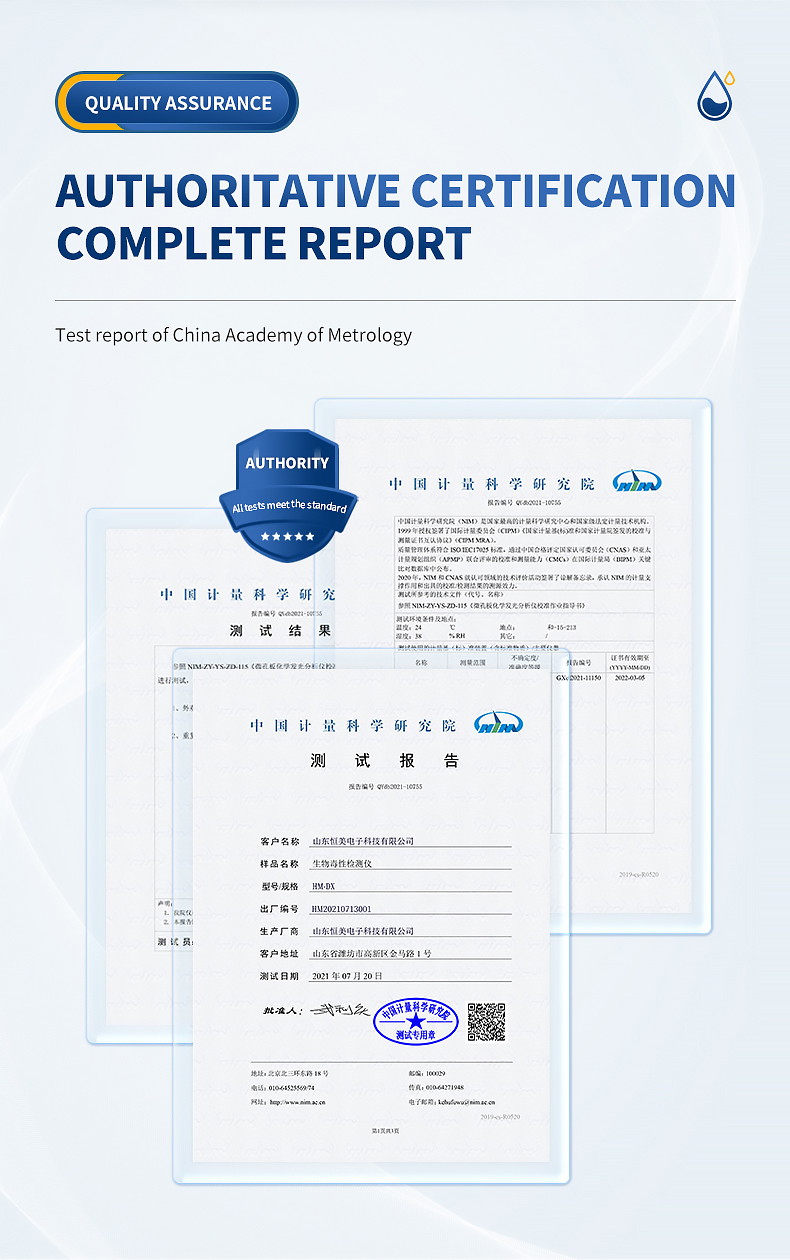
| Applicable Standards | GB/T 15441-1995, ISO 11348-3, JJF 2203-2025 |
FAQ
Why is dual-method toxicity detection superior to single-method instruments for wastewater compliance?
Single-method instruments provide either quantitative or qualitative data, but regulatory compliance often requires both. Quantitative bioluminescent bacteria results (mg/L) can be compared directly against discharge permit limits, while qualitative chemiluminescence screening delivers rapid pass/fail assessment for operational decision-making. Having both methods on one platform eliminates the cost and logistical complexity of deploying separate instruments, and cross-validation between methods increases confidence in the reported results.
How does the 15-minute test time compare with traditional toxicity testing methods?
Traditional fish 96-hour bioassays require four days of exposure and observation, during which contaminated discharge may continue flowing. Chemical analysis of specific toxicants typically takes hours of laboratory processing. The HM-BDX delivers actionable toxicity data within 15 minutes of sample preparation, enabling real-time discharge management and immediate emergency response — a critical advantage when environmental damage accumulates rapidly during the waiting period of conventional methods.
Can the quantitative results from HM-BDX be used directly for regulatory reporting?
The HM-BDX provides quantitative toxicity results in mg/L using validated bioluminescent bacteria methodology compliant with GB/T 15441-1995 and ISO 11348-3. For regulatory reporting purposes, the results should be considered as screening-level quantitative data. While they provide strong evidence for compliance assessment and can trigger immediate corrective action, specific regulatory frameworks may require confirmatory testing using standardized laboratory protocols. The built-in thermal printer and cloud data management facilitate documentation for regulatory submissions.
How does the cloud data management platform support multi-site monitoring operations?
The cloud platform receives real-time toxicity data from all connected HM-BDX instruments via WiFi or 4G connectivity. Environmental managers can monitor toxicity trends across multiple discharge points simultaneously, set threshold alerts for automated notifications, and generate consolidated compliance reports. Historical data storage enables trend analysis for identifying gradual changes in wastewater toxicity that may indicate upstream process issues before they exceed regulatory limits.
What is the significance of sensitivity equivalent to fish 96h culture method?
The fish 96h LC50 bioassay has long been the reference standard for aquatic toxicity assessment. The HM-BDX's bioluminescent bacteria method achieves equivalent or superior sensitivity while delivering results in 15 minutes rather than 96 hours. This means the instrument can detect toxic contaminants at concentrations that would also affect fish populations, providing biologically relevant toxicity data without the ethical concerns, infrastructure requirements, and time delays associated with live animal testing.
Article address:https://www.hmwatertesting.cn/swdx1/wastewater-toxicity-compliance-monitoring.html

 Current
location:
Current
location:
 +86 17853698681