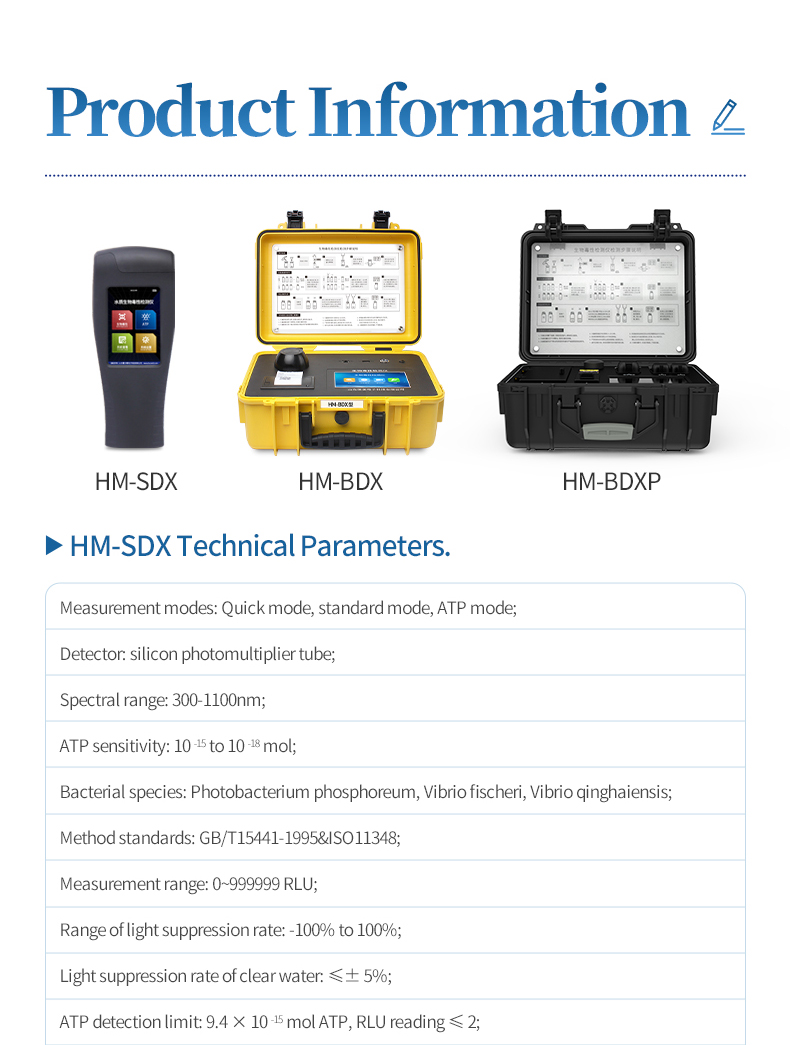
Product Introduction
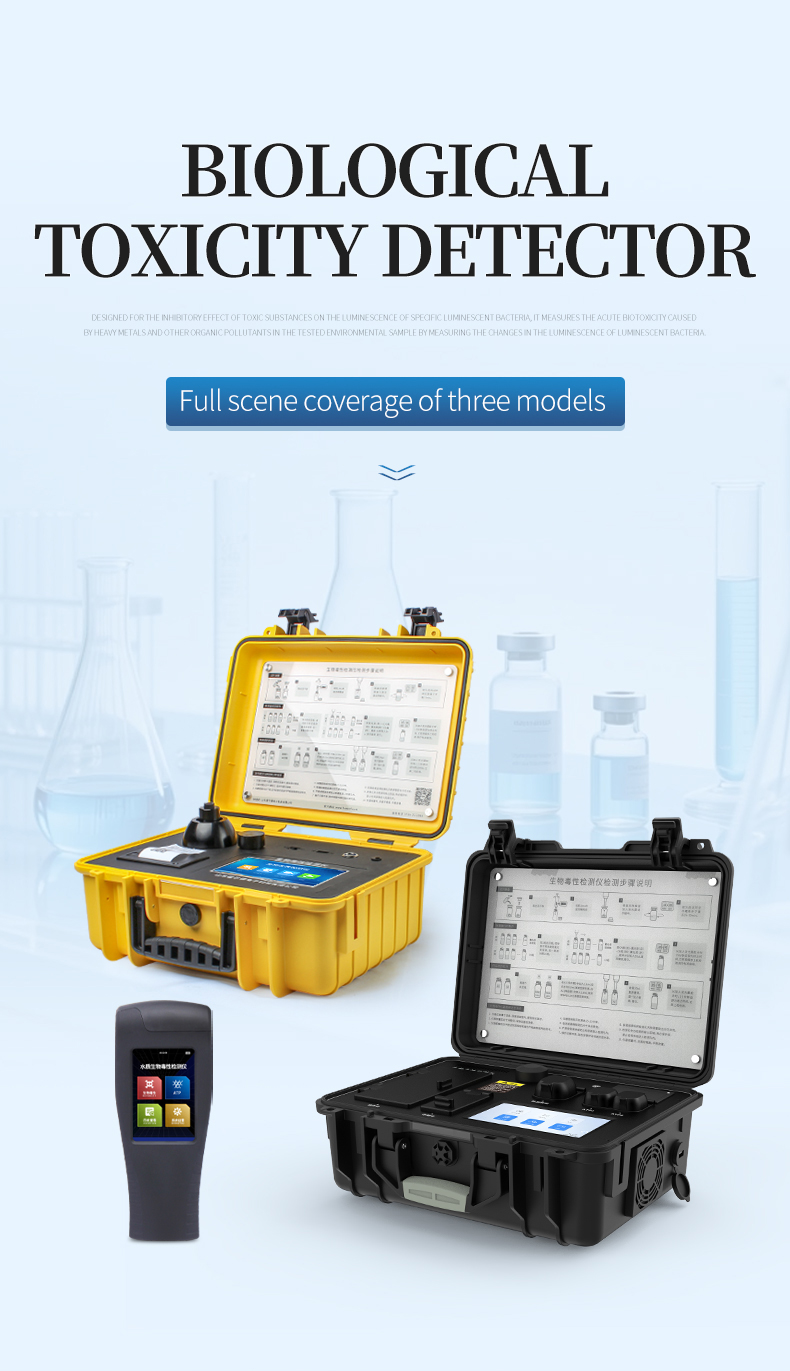
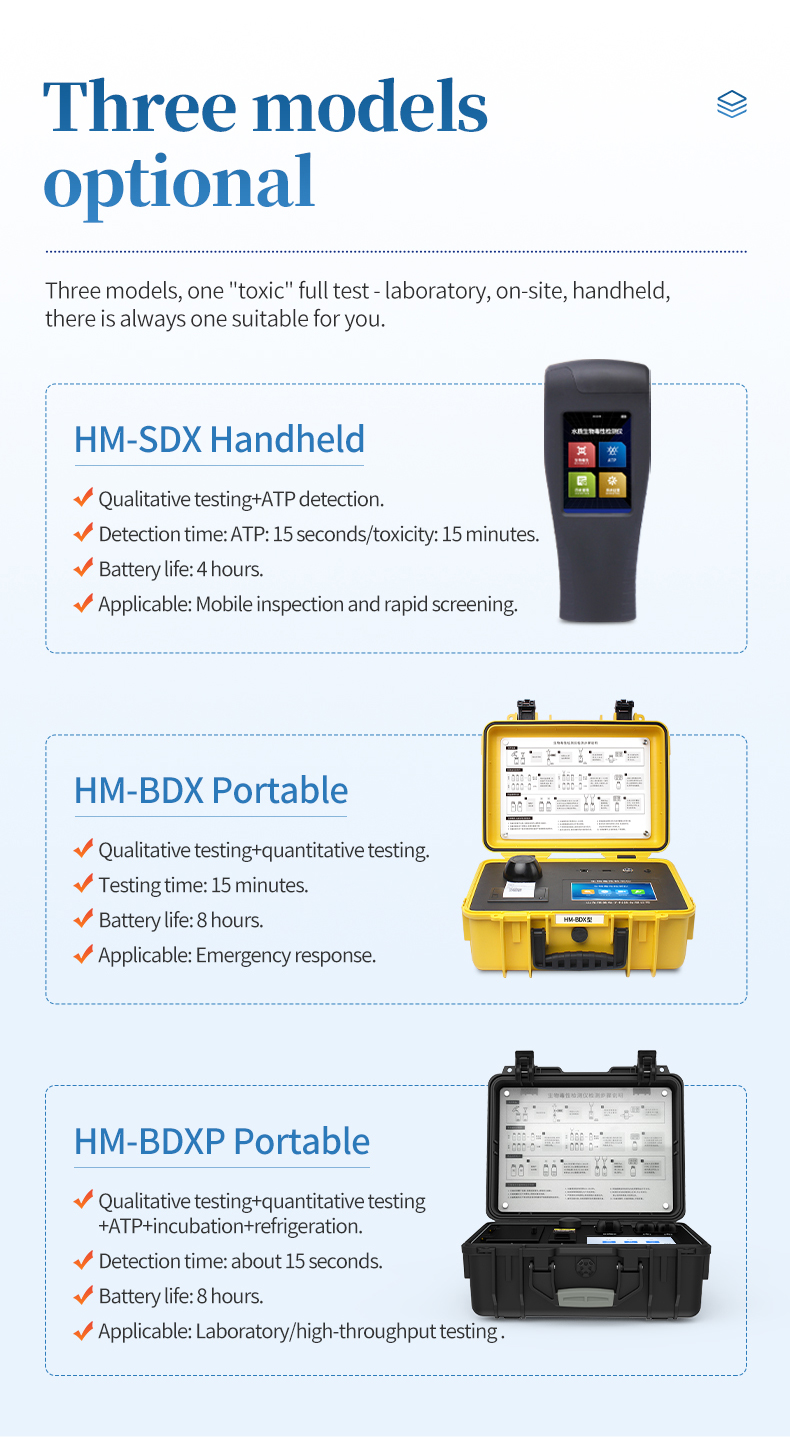
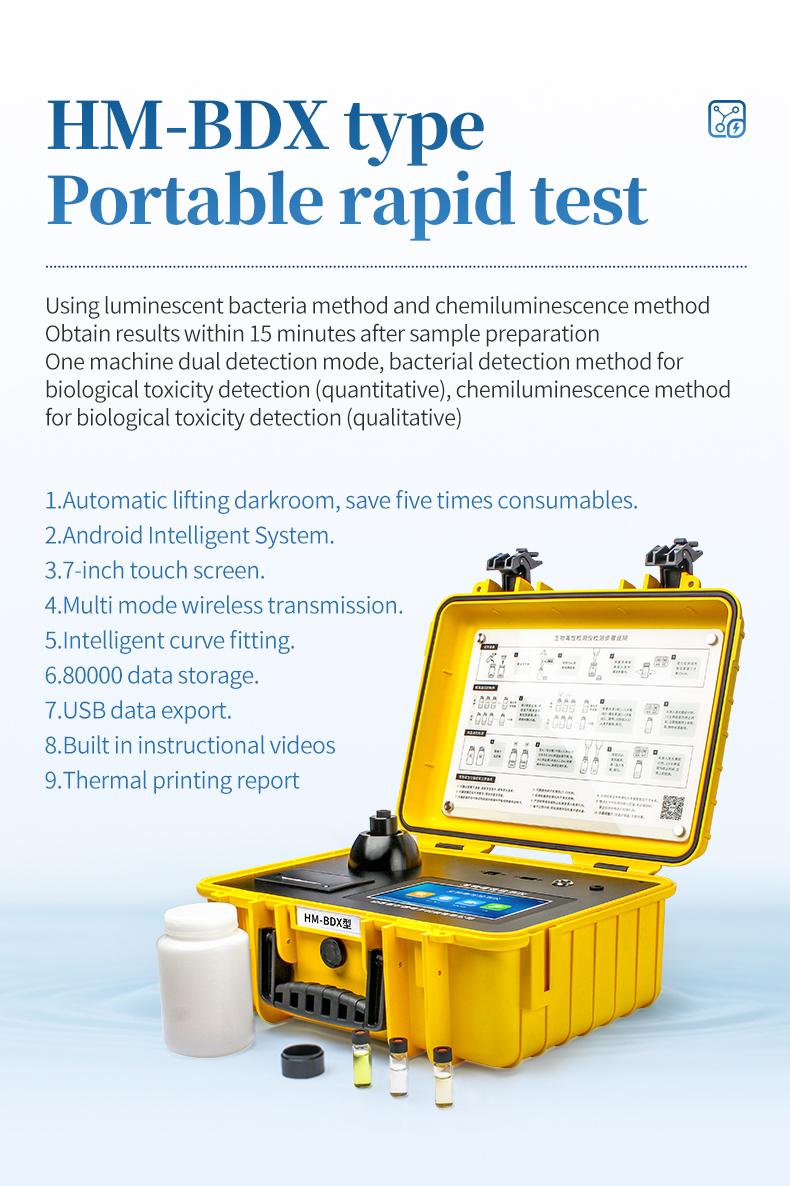
GMP-regulated pharmaceutical and food safety laboratories face a persistent challenge: toxicity assessment, bacterial incubation, and surface cleanliness verification typically require three separate instruments with separate calibration and incompatible data formats. This fragmentation increases complexity and creates documentation gaps during inspections. The HM-BDXP resolves this by integrating all three functions into a single Android 10-powered platform.
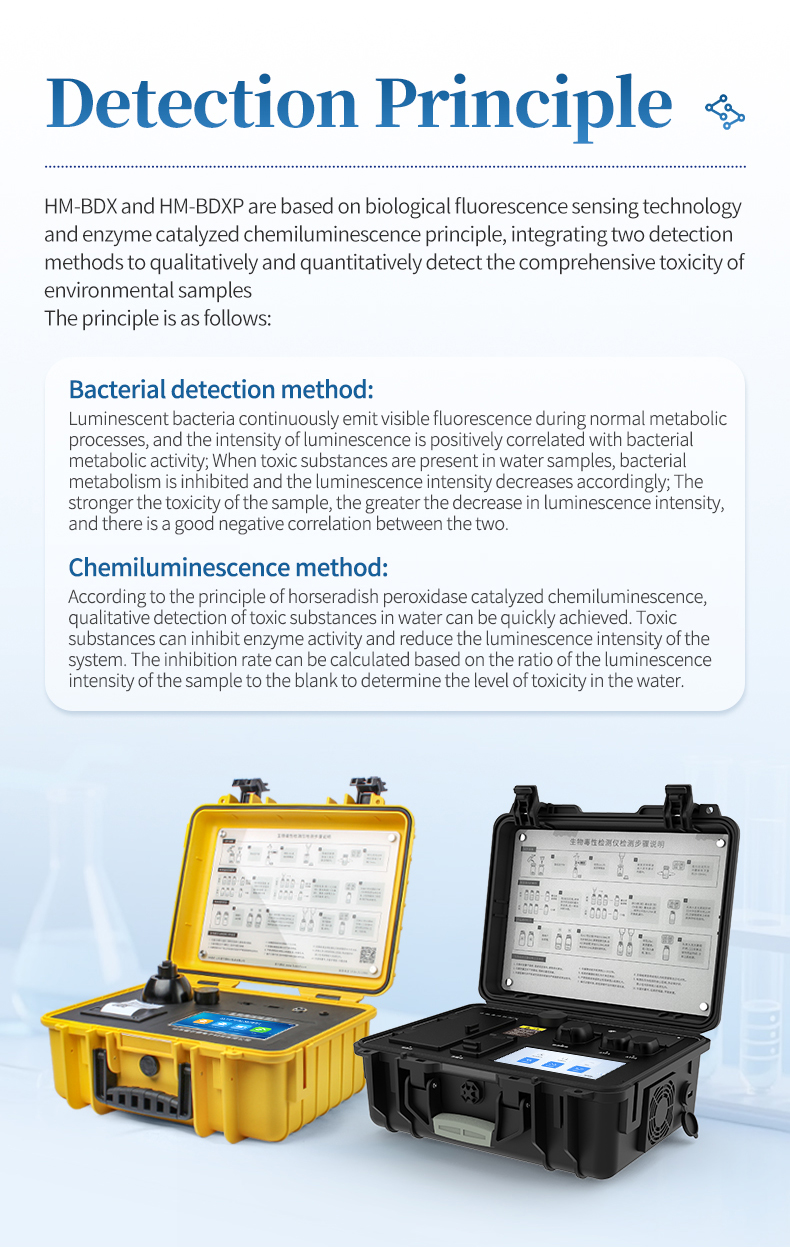
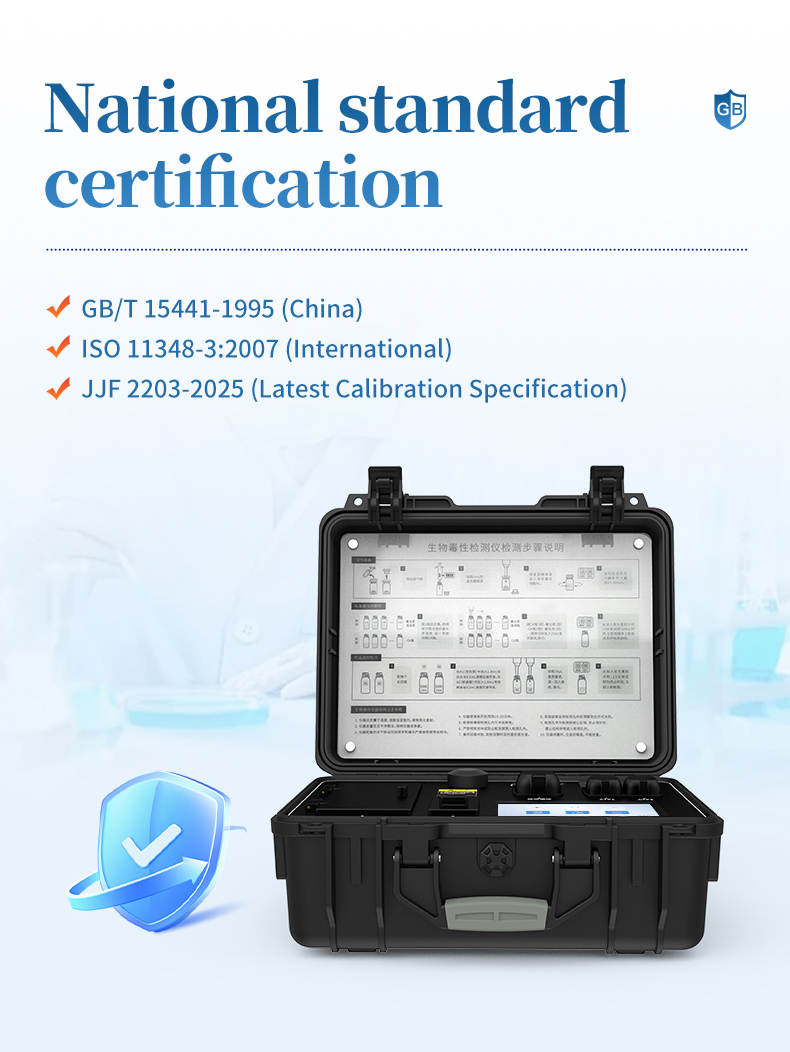
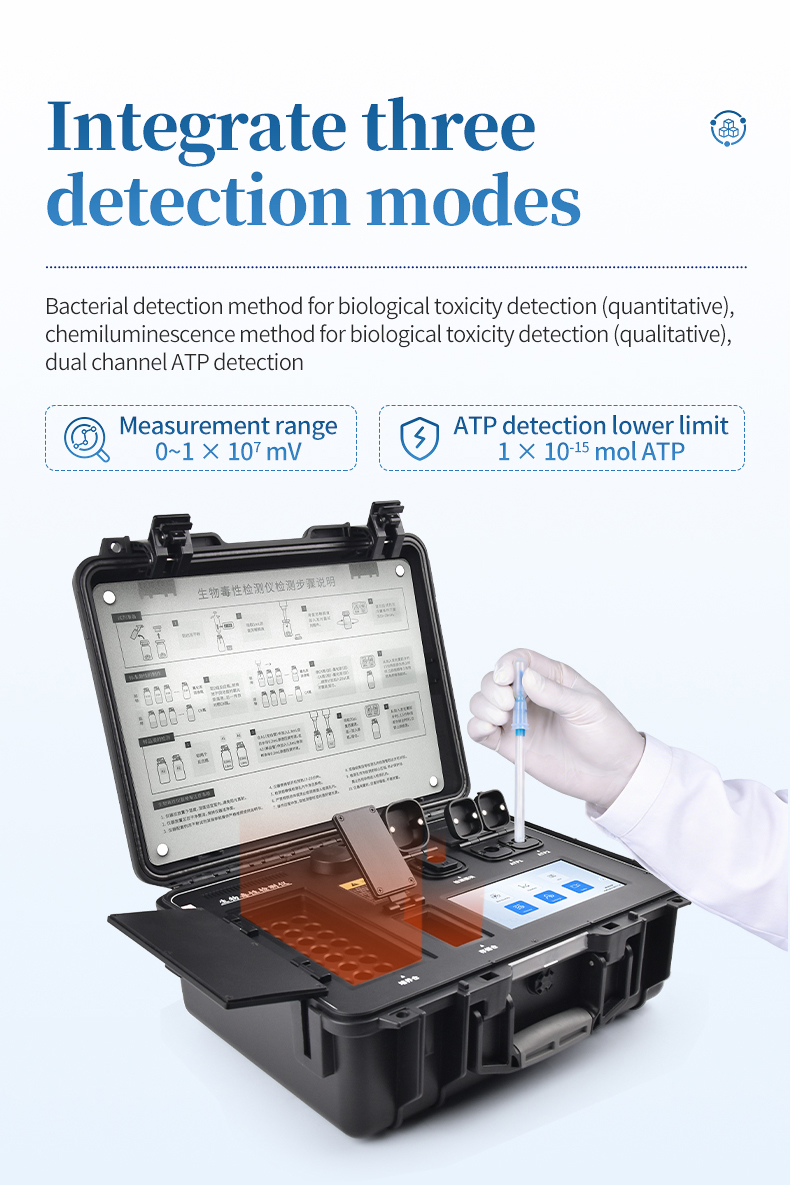
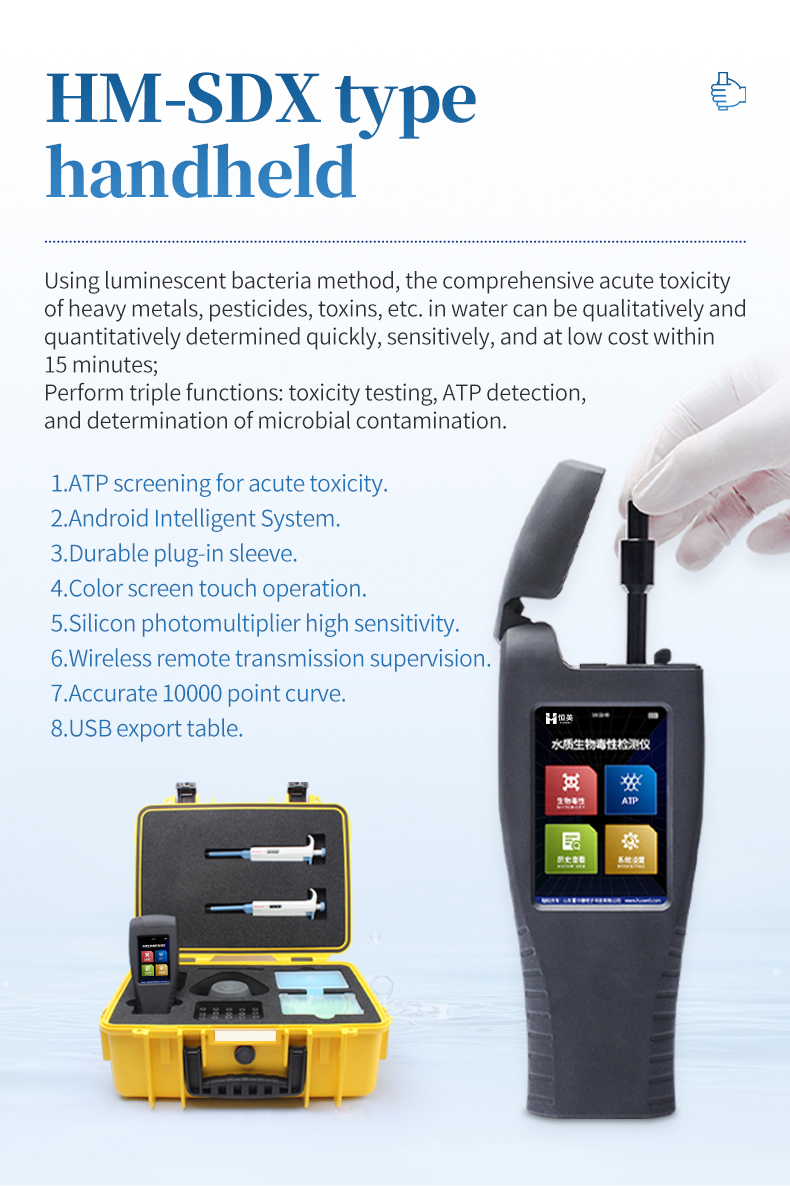
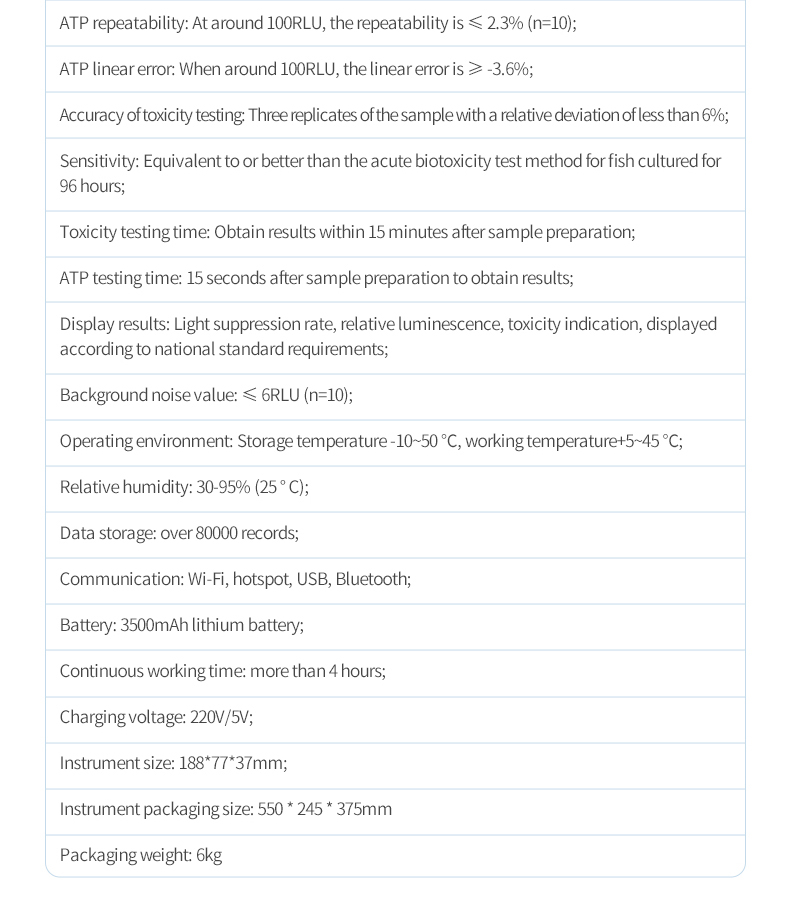
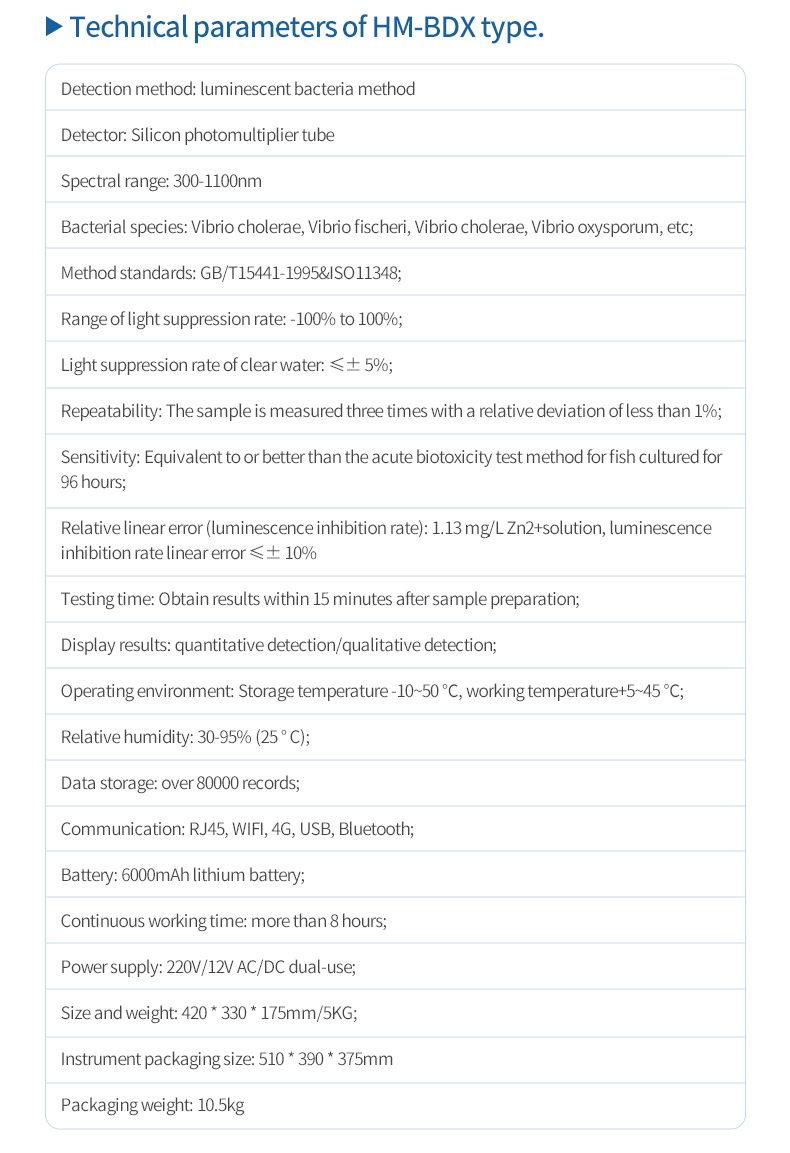
At the core of the HM-BDXP is a three-mode detection system. The quantitative bioluminescent bacteria method provides concentration-based toxicity results in mg/L, compliant with GB/T 15441-1995 and ISO 11348-3. The qualitative chemiluminescence method delivers rapid five-level toxicity classification through HRP-catalyzed luminescence inhibition. The dual-channel ATP detection mode, with sensitivity down to 1×10⁻¹⁵ mol ATP, enables surface cleanliness verification and microbial contamination assessment — a critical requirement in pharmaceutical cleanroom and food processing environments.
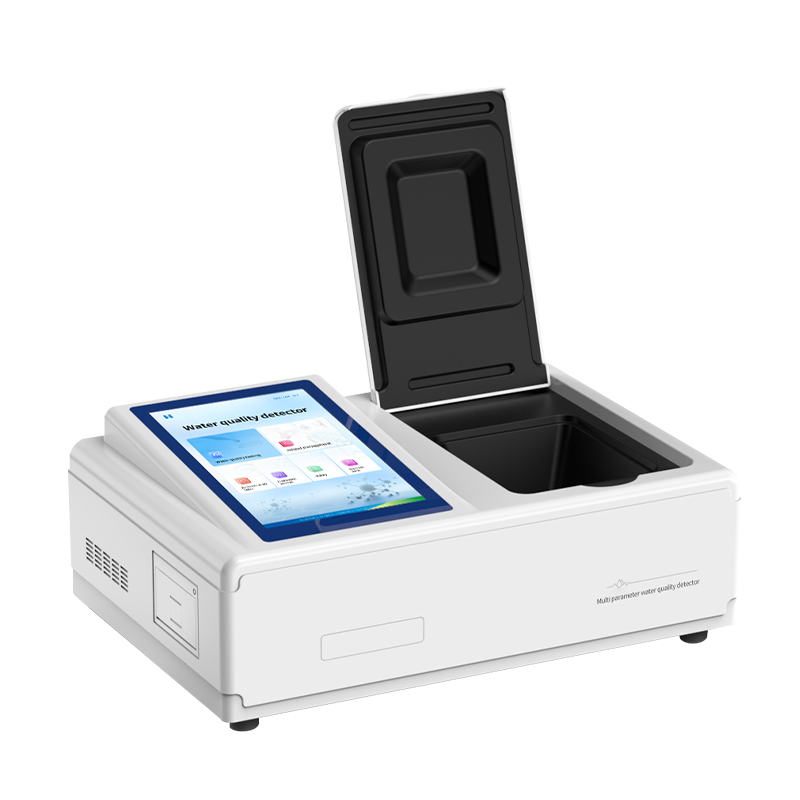
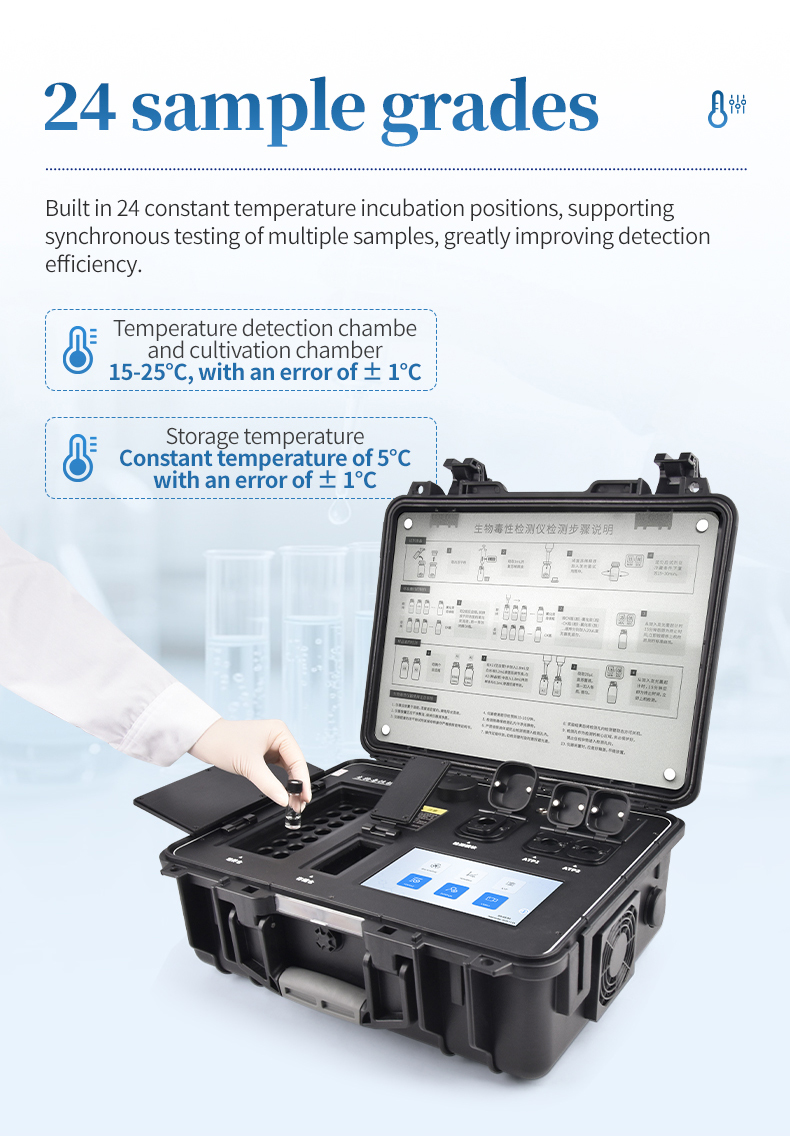
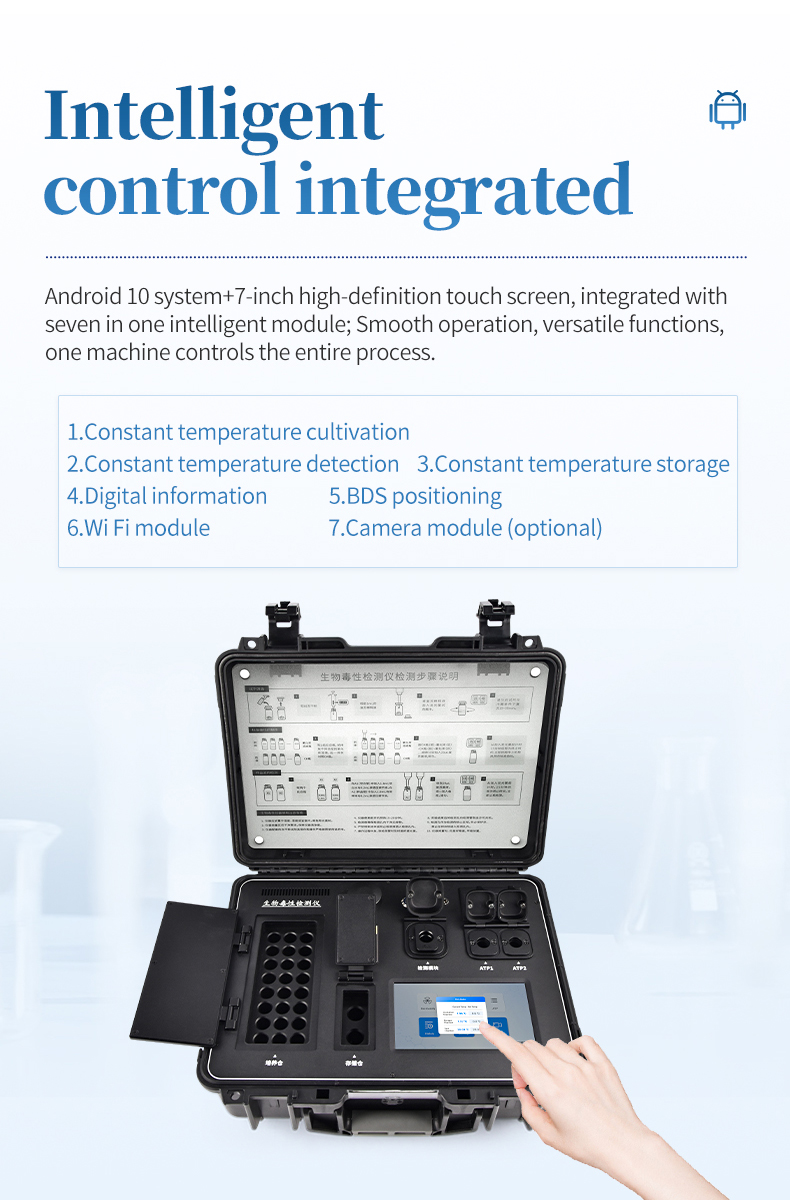
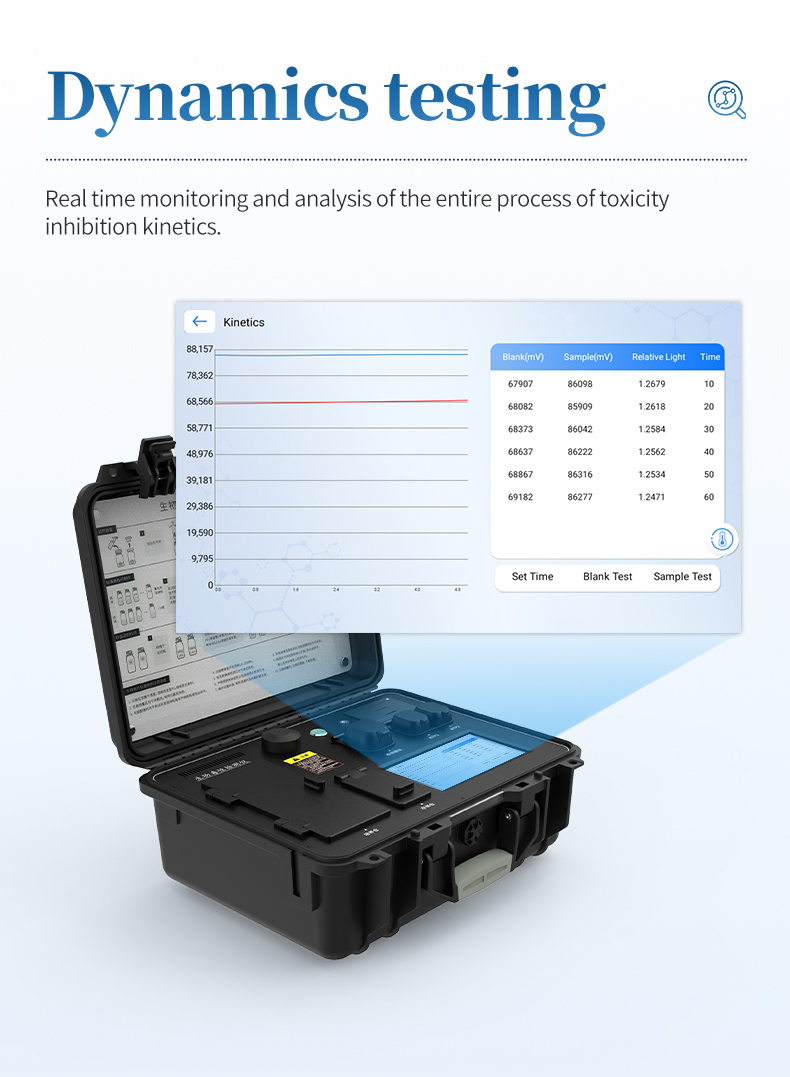
What distinguishes the HM-BDXP from simpler toxicity analyzers is its integrated incubation and storage infrastructure. The 24-position constant-temperature incubation chamber (15~25℃ ±1℃) allows bacteria to be cultured on-instrument, eliminating the need for a separate incubator and reducing the risk of sample mishandling during transfer. The refrigerated storage compartment (5℃ ±1℃) preserves reagents and prepared samples between test cycles. Kinetic detection capability enables time-course monitoring of toxicity reactions, providing deeper insight into toxic substance behavior than single-point measurements. The instrument stores 30,000 results and is powered by a 30000mAh battery for extended field or laboratory operation, all within a 427×344×188 mm, 9.5 kg portable form factor.
Applications
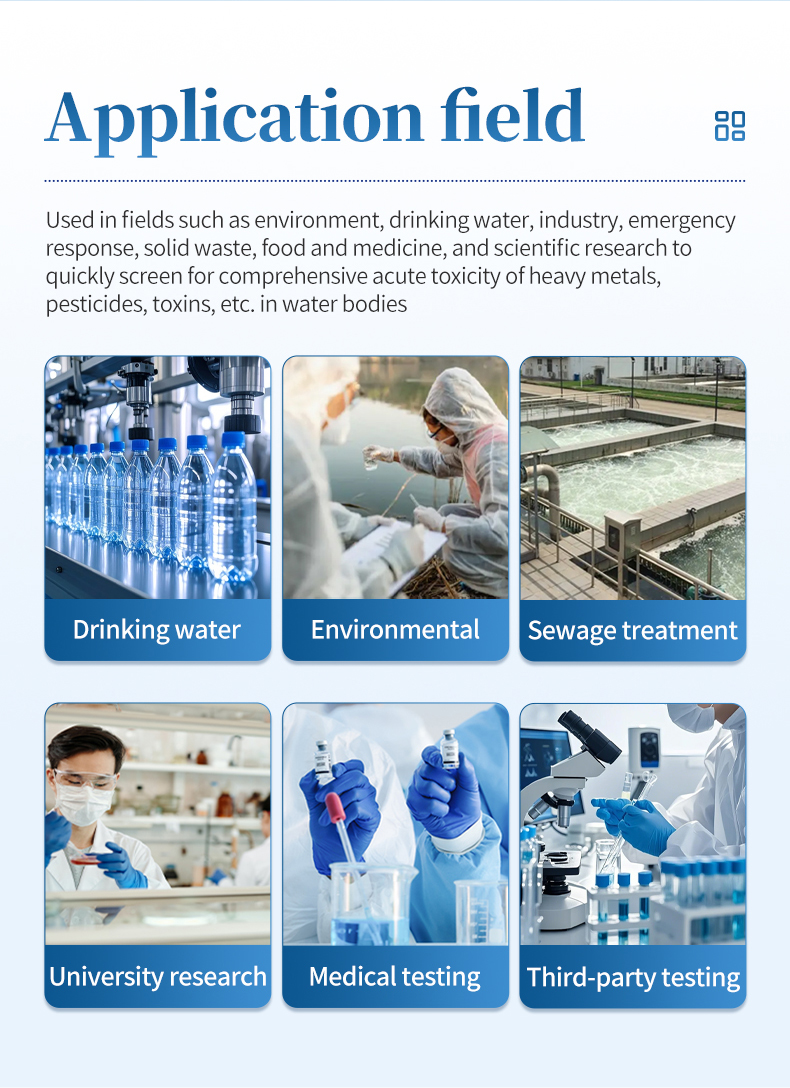
Pharmaceutical water system validation: Comprehensive toxicity and ATP testing of purified water, water for injection, and laboratory-grade water systems, with on-instrument incubation for bacteria-based assays eliminating the need for separate culture equipment.
GMP cleanroom environmental monitoring: ATP-based surface cleanliness verification on critical processing equipment and controlled environment surfaces, with integrated documentation for regulatory audit trails.
Food processing facility hygiene programs: Combined toxicity screening of wash water and ATP cleanliness verification of food contact surfaces within a single testing workflow, reducing the number of instruments required per facility.
Clinical and biomedical research: Kinetic toxicity profiling of novel compounds with time-course monitoring, supported by on-board incubation for bacterial culture preparation and refrigerated reagent storage.
Environmental risk assessment: Comprehensive field toxicity monitoring with on-site incubation capability, enabling complete sample-to-result workflows without laboratory infrastructure dependency.
Regulatory instrument verification: JJF 2203-2025 compliant verification of biological toxicity measuring instruments, with precision (RSD ≤5%) meeting national metrology standards.
Key Features & Advantages
All-in-one platform eliminates instrument fragmentation: Toxicity testing, incubation, and ATP verification consolidated on a single device reduce bench space requirements, calibration overhead, and cross-instrument data reconciliation complexity.
Three-mode detection for comprehensive assessment: Quantitative bacteria method, qualitative chemiluminescence, and dual-channel ATP cover the full spectrum of biological toxicity and cleanliness monitoring needs.
On-instrument incubation reduces contamination risk: 24-position incubation at 15~25℃ ±1℃ allows bacterial culture preparation without sample transfer to external incubators, maintaining chain of custody integrity.
Refrigerated storage preserves reagent integrity: The 5℃ ±1℃ storage compartment keeps temperature-sensitive reagents and prepared samples stable between test cycles, reducing waste and improving result reliability.
Kinetic detection reveals temporal toxicity dynamics: Time-course monitoring captures the progression of toxic reactions that single-point measurements miss, providing data for mechanistic toxicity studies and exposure risk assessment.
RSD ≤5% precision meets JJF 2203-2025 requirements: Measurement precision complies with national metrology verification standards, supporting instrument certification for regulated testing environments.
ATP sensitivity to 1×10⁻¹⁵ mol for GMP compliance: Ultra-sensitive ATP detection enables verification of cleaning validation protocols to pharmaceutical-grade cleanliness standards.
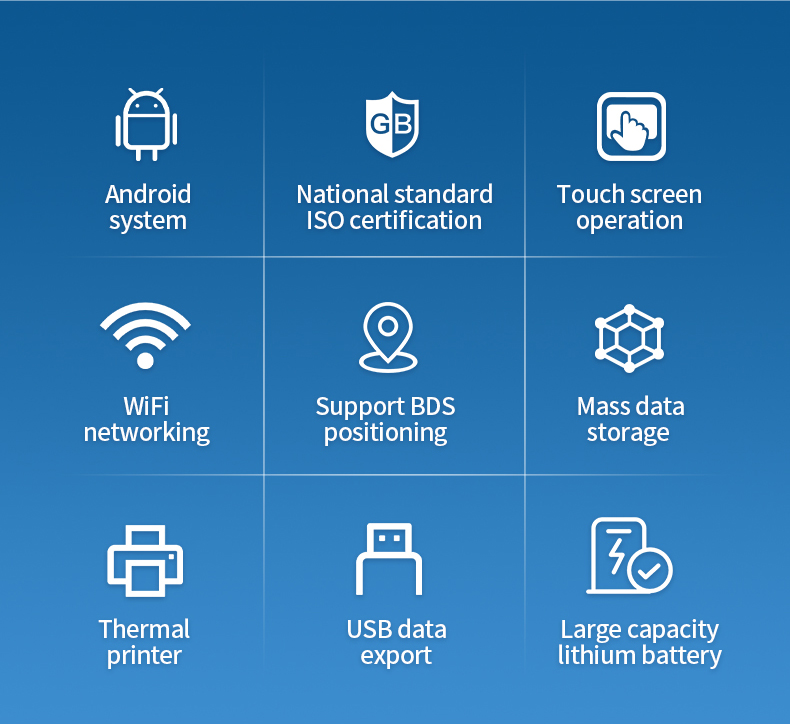
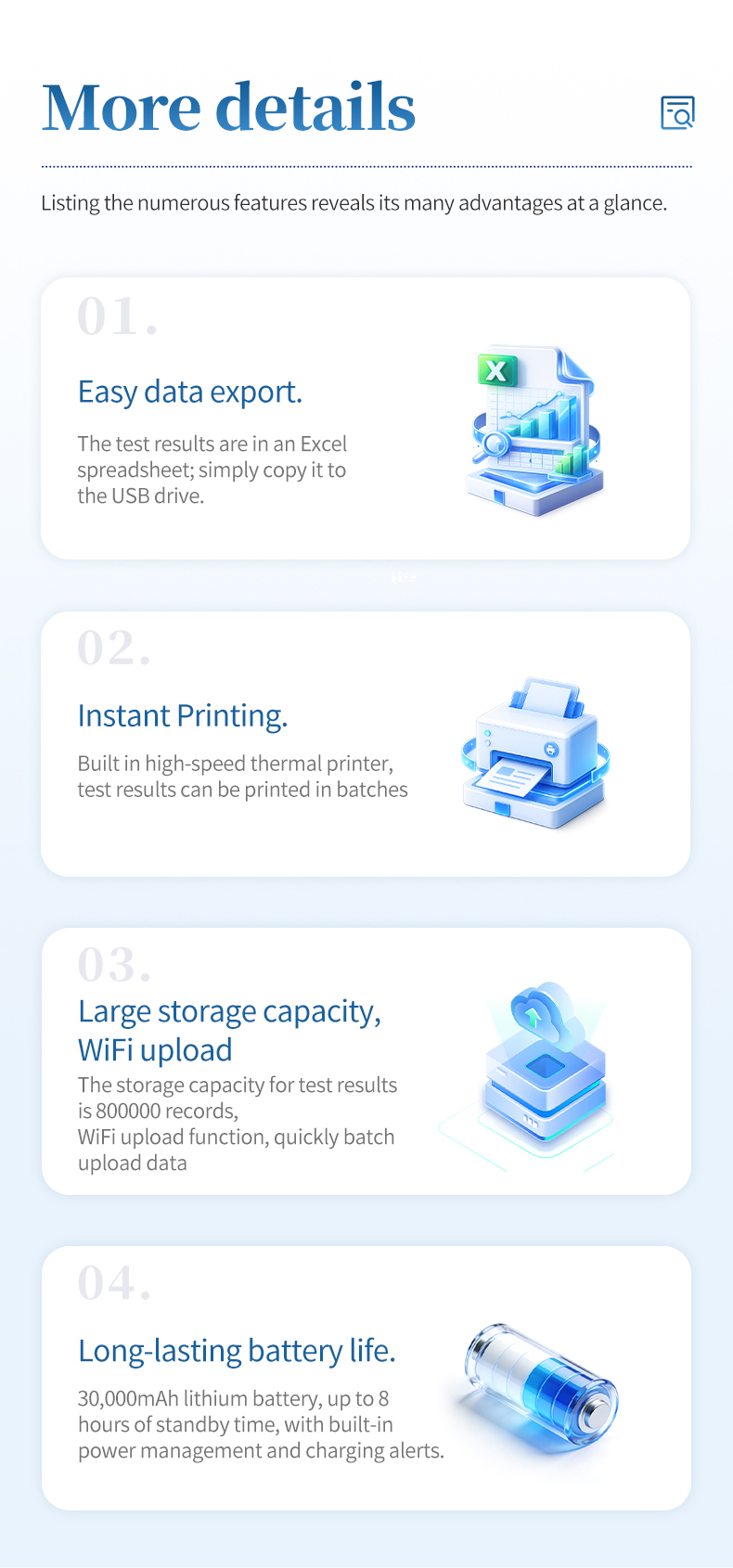
Android 10 with 30,000-record storage supports data integrity: Electronic data management with large-capacity storage reduces manual transcription errors and supports ALCOA+ data integrity principles.
30000mAh battery for multi-day continuous operation: Extended battery life supports field campaigns, multi-shift laboratory workflows, and emergency response operations without power supply dependency.
Comprehensive regulatory standard coverage: Compliance with GB/T 15441-1995, ISO 11348-3, and JJF 2203-2025 ensures acceptance across Chinese and international regulatory frameworks.
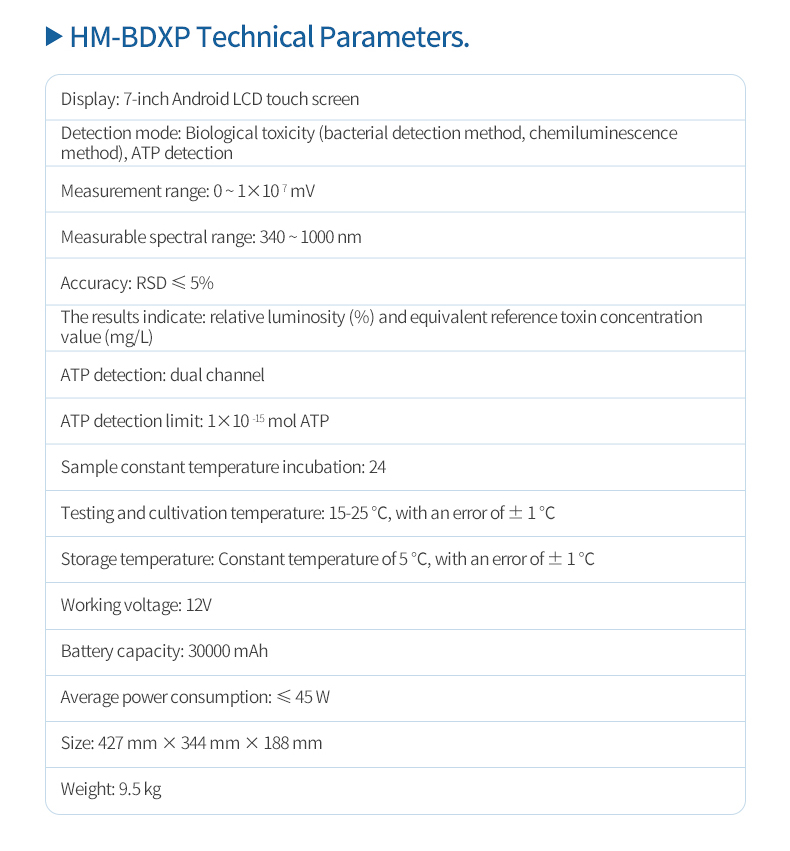
Technical Specifications
| Parameter | Specification |
|---|
| Product Model | HM-BDXP |
| Product Type | Portable biological toxicity analyzer (National Standard Edition) |
| Detection Principle | Bioluminescent bacteria metabolism inhibition + HRP-catalyzed chemiluminescence + ATP bioluminescence |
| Toxicity Detection Mode | Quantitative (bioluminescent bacteria) + Qualitative (chemiluminescence) + ATP |
| ATP Detection Mode | Dual-channel ATP |
| ATP Detection Limit | 1×10⁻¹⁵ mol ATP |
| Detector Type | Silicon photomultiplier (SiPM) |
| Operating System | Android 10 |
| Display | 7-inch color touchscreen |
| Incubation Positions | 24 constant-temperature positions |
| Incubation Temperature | 15~25℃ ±1℃ |
| Storage Compartment | 5℃ ±1℃ |
| Kinetic Detection | Yes |
| Precision | RSD ≤5% |
| Result Storage | 30,000 records |
| Battery | 30000mAh lithium battery |
| Power Consumption | ≤45W |
| Dimensions | 427 mm × 344 mm × 188 mm |
| Weight | 9.5 kg |
| Applicable Standards | GB/T 15441-1995, ISO 11348-3, JJF 2203-2025 |
FAQ
How does the integrated incubation function benefit pharmaceutical water system validation?
Pharmaceutical water testing requires bacterial culture before toxicity measurement, traditionally in a separate incubator. The HM-BDXP's 24-position chamber at 15~25℃ ±1℃ allows on-instrument culture preparation, eliminating sample transfer. This reduces cross-contamination risk, shortens workflow by removing transit time, and maintains chain-of-custody integrity — critical for GMP documentation during inspections.
What advantages does kinetic detection provide over single-point toxicity measurements?
Single-point measurements capture toxicity at one moment, potentially missing delayed effects or transient spikes. Kinetic detection monitors luminescence changes over time, revealing whether toxicity develops rapidly or gradually, and how biological systems respond to different concentrations. This temporal resolution is valuable for characterizing unknown contaminants in emergency response and for mechanistic studies.
Why is the refrigerated storage compartment important for routine testing operations?
Bioluminescent reagents and chemiluminescence substrates degrade rapidly at room temperature. The 5℃ ±1℃ compartment keeps reagents stable between test cycles, extending usable life and reducing replacement frequency. On-instrument refrigeration eliminates retrieving reagents from shared refrigerators between tests, streamlining workflow and reducing mishandling risk.
How does the HM-BDXP support JJF 2203-2025 verification requirements?
JJF 2203-2025 is China's national metrology verification regulation for biological toxicity instruments. The HM-BDXP's RSD ≤5% precision, validated measurement range, and documented calibration procedures address verification requirements. The 30,000-record storage with timestamps and operator ID supports data integrity and traceability. Android 10 data management enables export in metrology-compatible formats.
Can the ATP detection mode replace dedicated ATP luminometers for cleaning validation?
The HM-BDXP's dual-channel ATP detection with 1×10⁻¹⁵ mol sensitivity meets or exceeds the detection capabilities of many dedicated ATP luminometers used for cleaning validation. It can verify surface cleanliness to pharmaceutical-grade standards, including RLU thresholds specified in cleaning validation protocols. However, organizations with established ATP monitoring programs may choose to use the HM-BDXP as a complementary tool for combined toxicity and cleanliness assessment workflows rather than replacing dedicated units deployed across multiple testing points.
What is the advantage of Android 10 over proprietary embedded systems in toxicity analyzers?
Android 10 provides a familiar, intuitive touchscreen interface that reduces operator training time compared to proprietary embedded systems with non-standard navigation. It supports standard data formats and connectivity protocols (USB, WiFi, Bluetooth, 4G), simplifying integration with LIMS and cloud platforms. The operating system also enables over-the-air firmware updates, ensuring continuous access to feature improvements and security patches without service visits. Additionally, the 30,000-record storage capacity leverages the platform's database capabilities for efficient data retrieval and reporting.
Article address:https://www.hmwatertesting.cn/swdx1/toxicity-incubation-atp-pharmaceutical-testing.html

 Current
location:
Current
location: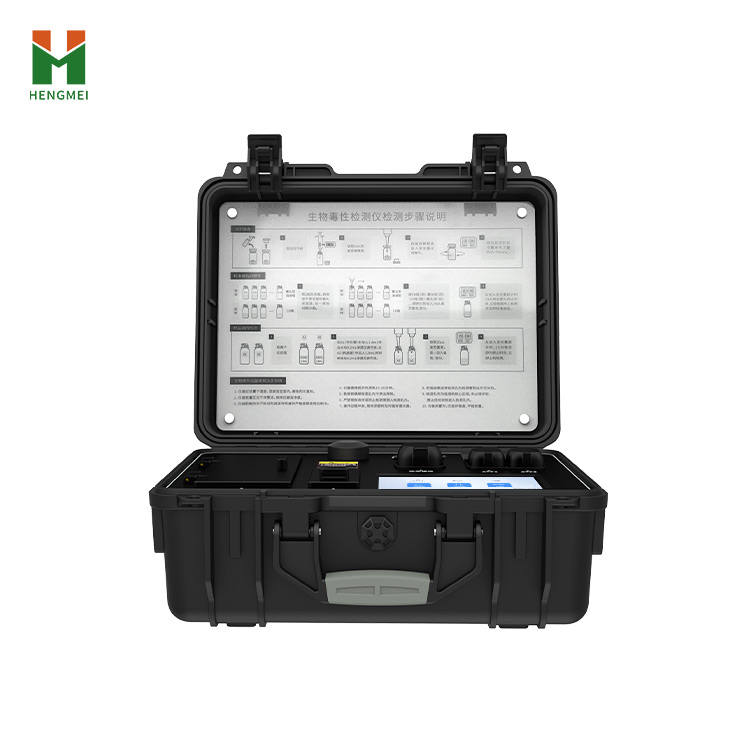
 +86 17853698681