Product Introduction
When a chemical spill contaminates a municipal water supply, or when an aquaculture facility detects unusual fish mortality, the first question regulators and operators need answered is: how toxic is this water? Traditional laboratory analysis requires sample transport, queuing, and hours or days of turnaround — an unacceptable delay when public health is at stake.
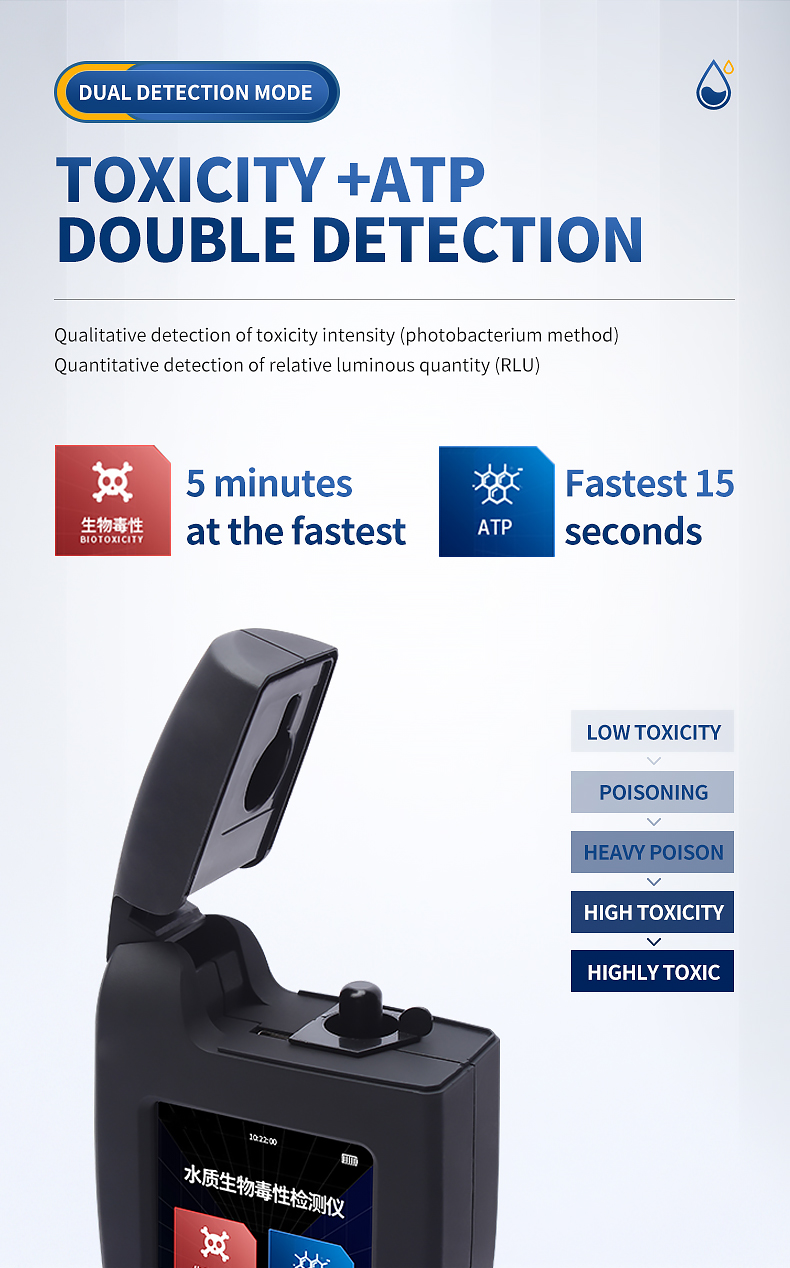
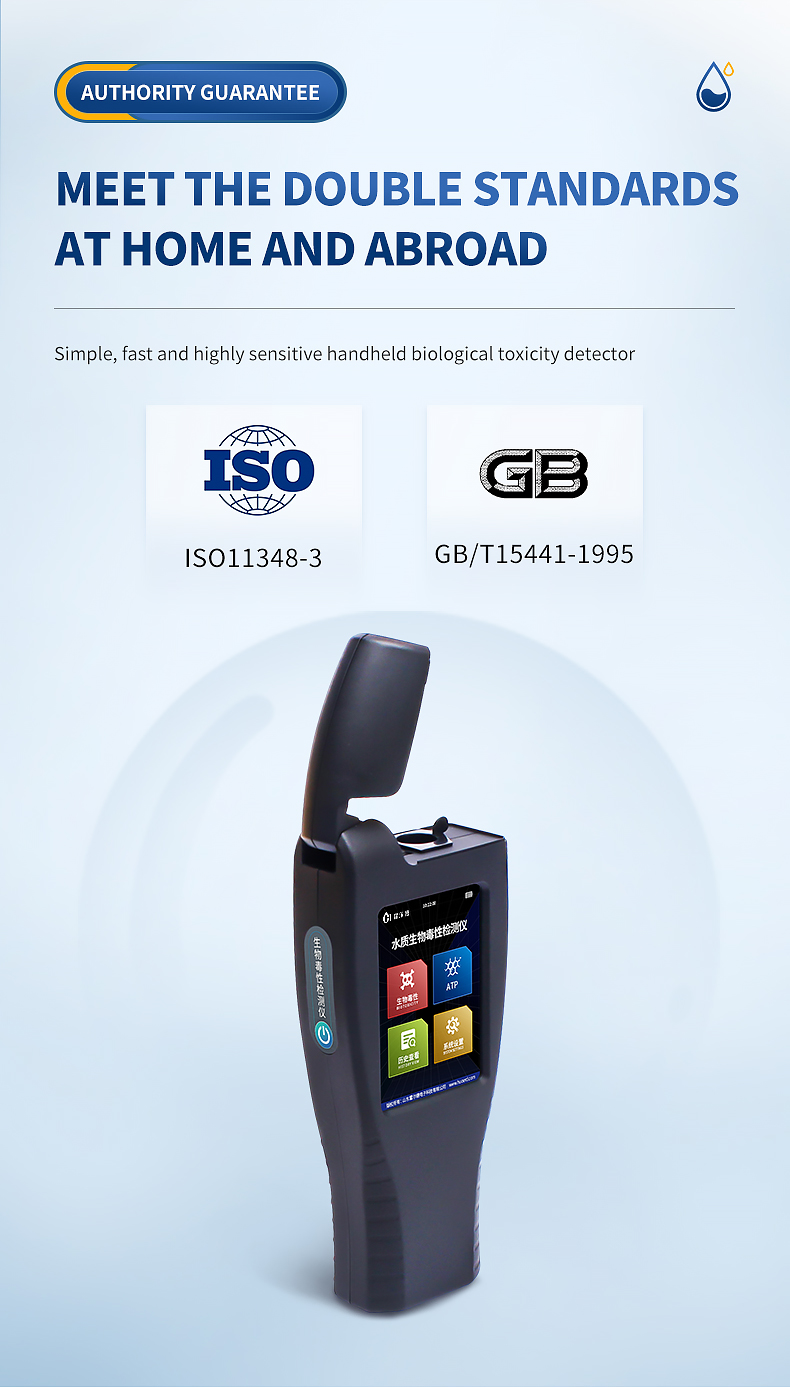
The HM-SDX handheld water toxicity detector addresses this gap by deploying the luminescent bacteria bioluminescence inhibition method (GB/T15441-1995, ISO 11348-3) directly at the point of need. Luminescent bacteria such as Vibrio fischeri produce light during normal metabolism. When exposed to toxic substances — heavy metals, pesticides, neurotoxins, or industrial chemicals — their metabolic activity declines and light output drops proportionally. The HM-SDX measures this change within 15 minutes of sample preparation, delivering a qualitative toxicity classification ranging from "low toxicity" through "highly toxic" directly on the instrument screen.
Beyond toxicity screening, the HM-SDX integrates an ATP (adenosine triphosphate) detection module that quantifies total microbial contamination in just 15 seconds. This dual-function capability provides a comprehensive water quality picture from a single compact instrument: toxicity screening identifies chemical and biological threats, while ATP measurement flags microbial contamination that may not trigger the toxicity assay. For environmental monitoring stations, water treatment plant operators, and emergency response teams, this combination replaces two separate instruments and eliminates the logistics of carrying multiple devices into the field.
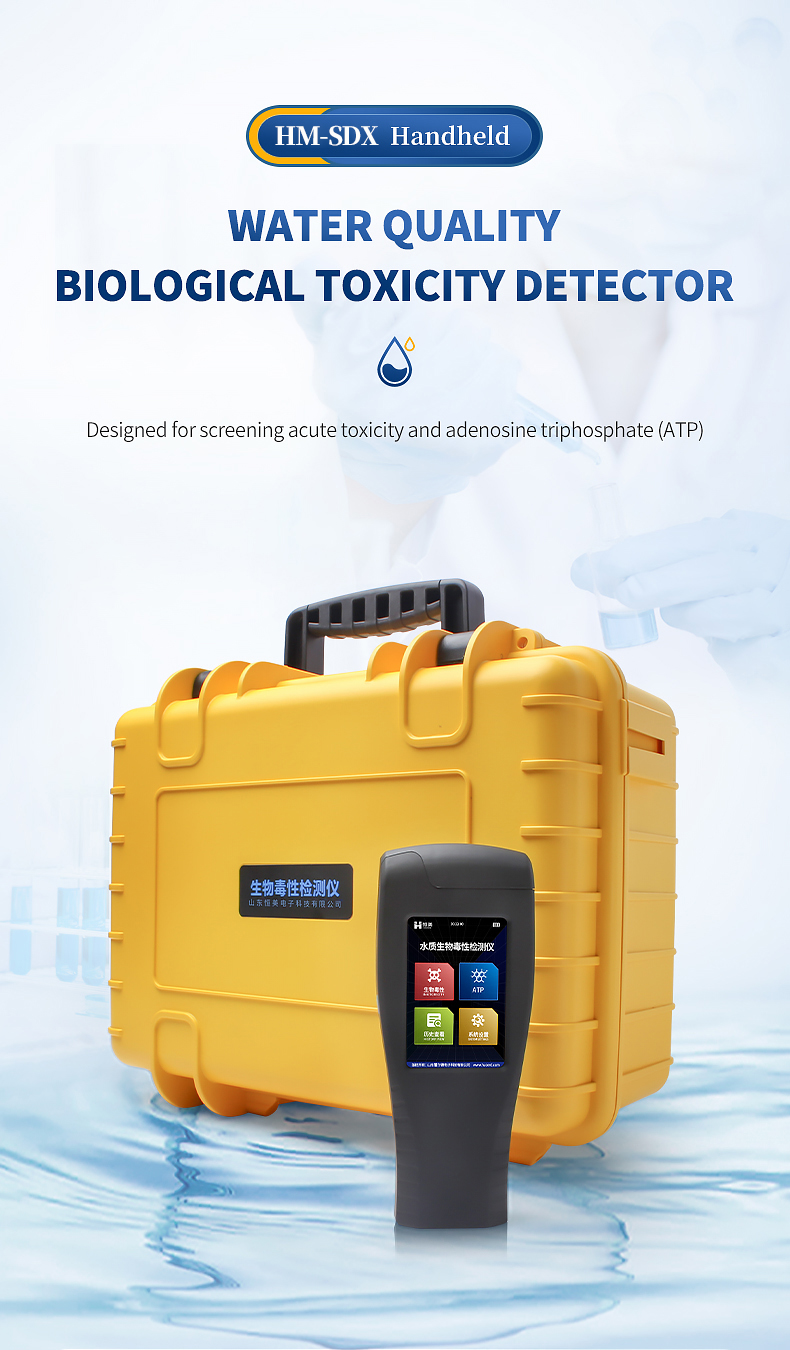
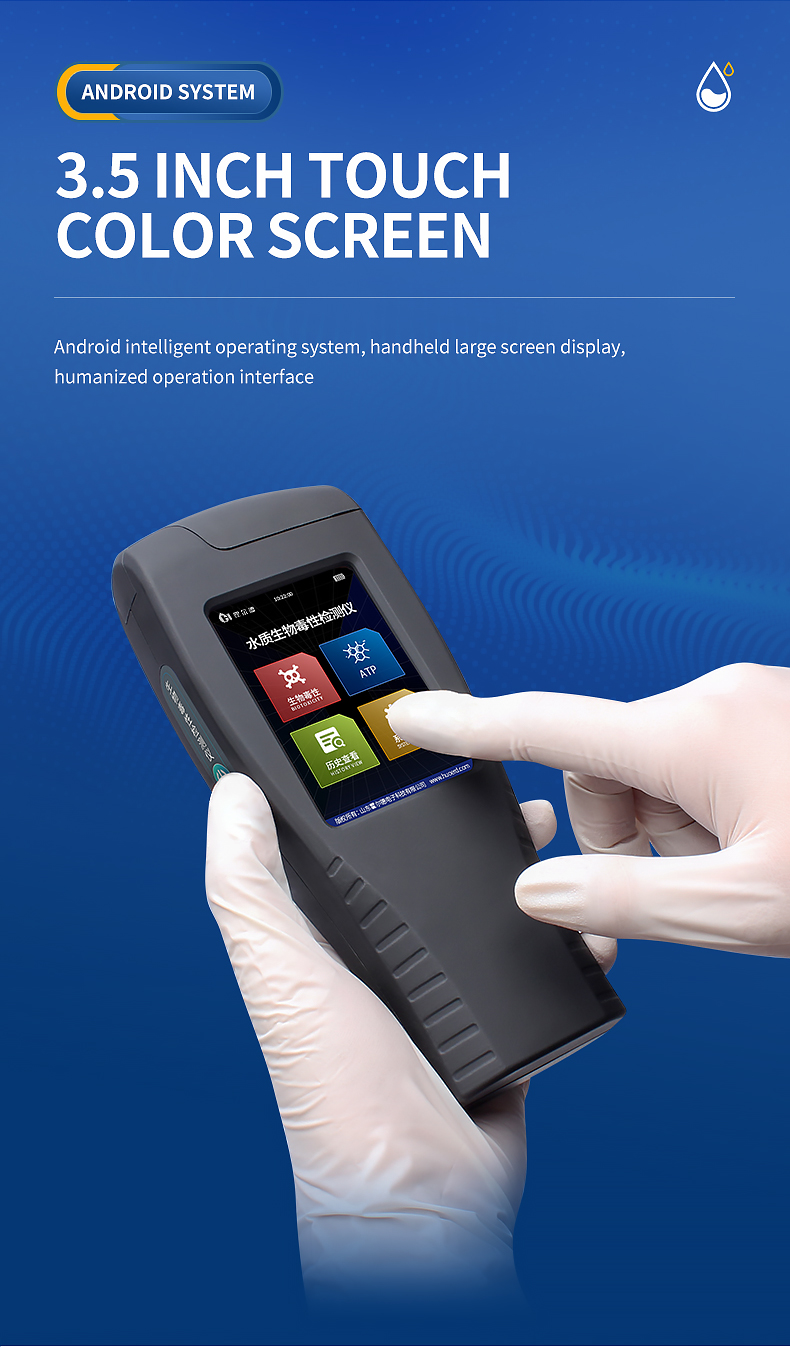
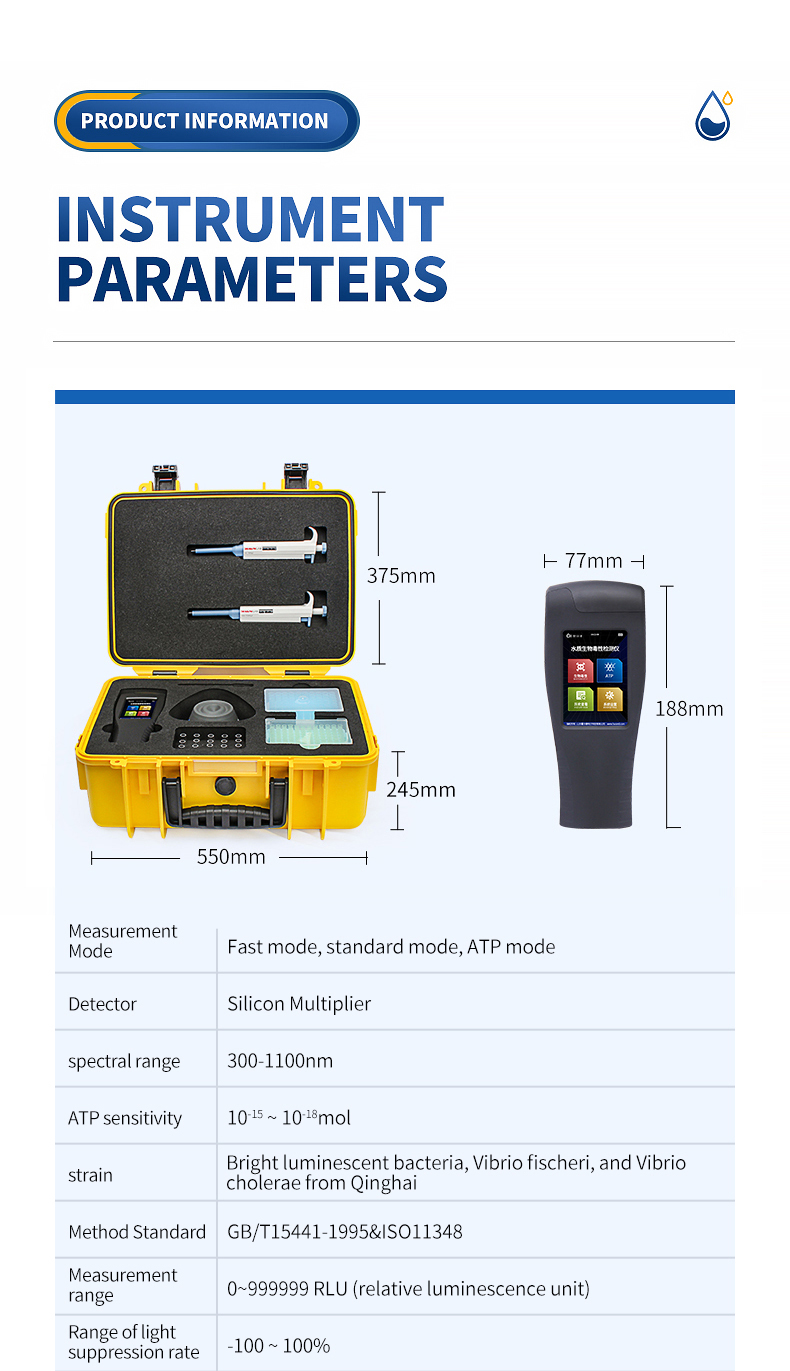
The 188×77×37mm form factor fits in one hand, and the 3500mAh battery sustains over 4 hours of continuous operation — sufficient for a full shift of patrol measurements or an extended emergency incident. The Android operating system with 3.5-inch color touchscreen provides intuitive operation without requiring specialized laboratory training, enabling deployment by field personnel with standard operational instruction.
Applications
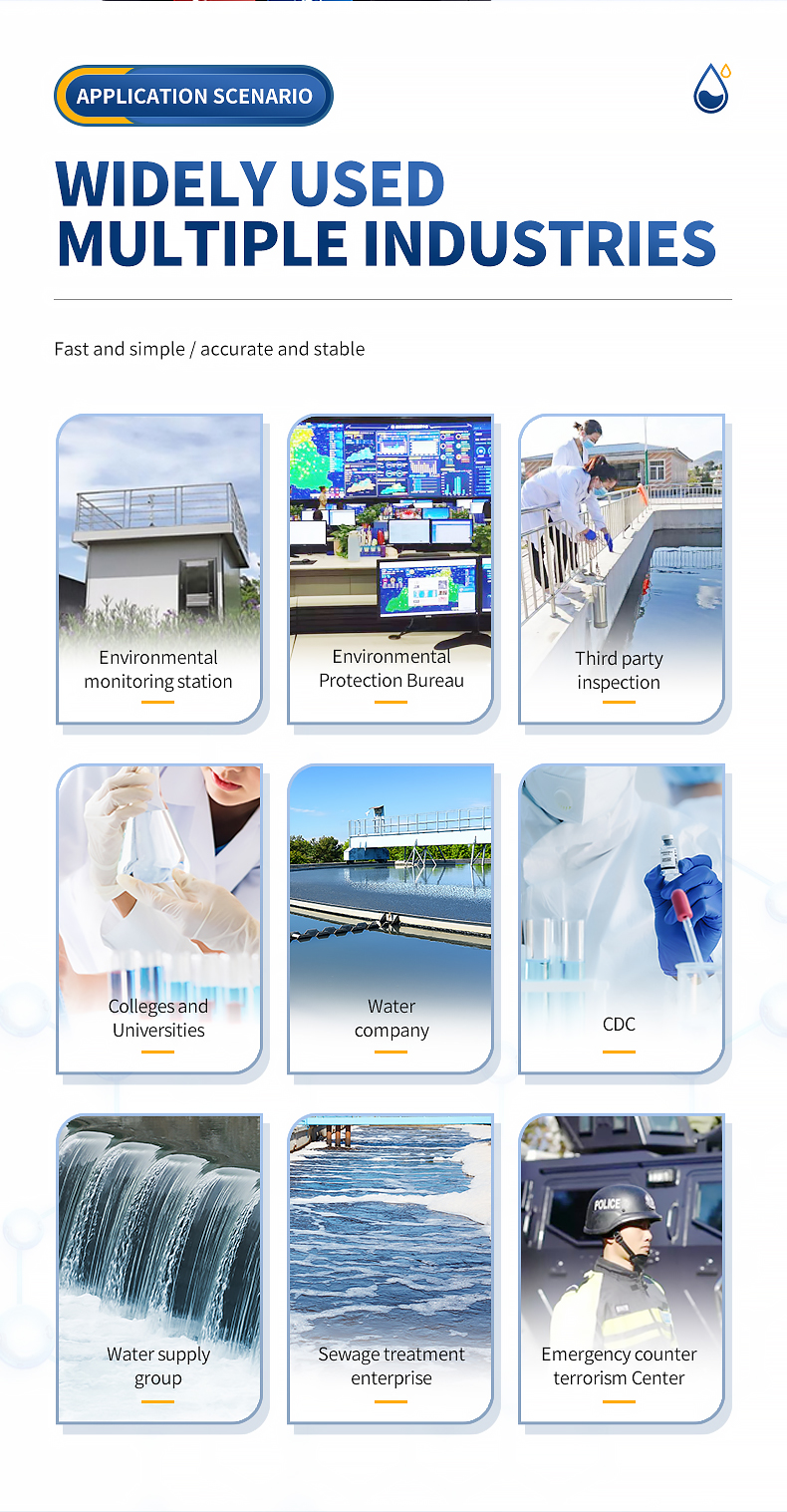
Drinking water source protection: rapid screening of raw water intakes for contamination events
Water treatment plant process verification: confirming treatment effectiveness at each stage
Environmental emergency response: quantifying contamination levels at spill sites within minutes
Industrial discharge compliance: spot-checking effluent toxicity at discharge points
Aquaculture water quality monitoring: daily testing for fish and shrimp farm water safety
Municipal water distribution network: integrity verification of pipeline systems
Recreational water safety: swimming pool and spa contamination assessment
Scientific research field sampling: preliminary toxicity screening before laboratory analysis
Key Features & Advantages
Dual-mode detection system: luminescent bacteria qualitative toxicity screening combined with ATP microbial quantification in a single handheld device
15-minute toxicity results and 15-second ATP assessment — the fastest combined screening available in a portable format
Sensitive to over 3000 toxic compounds including heavy metals, pesticides, neurotoxins, and industrial chemicals — serves as an effective early warning system
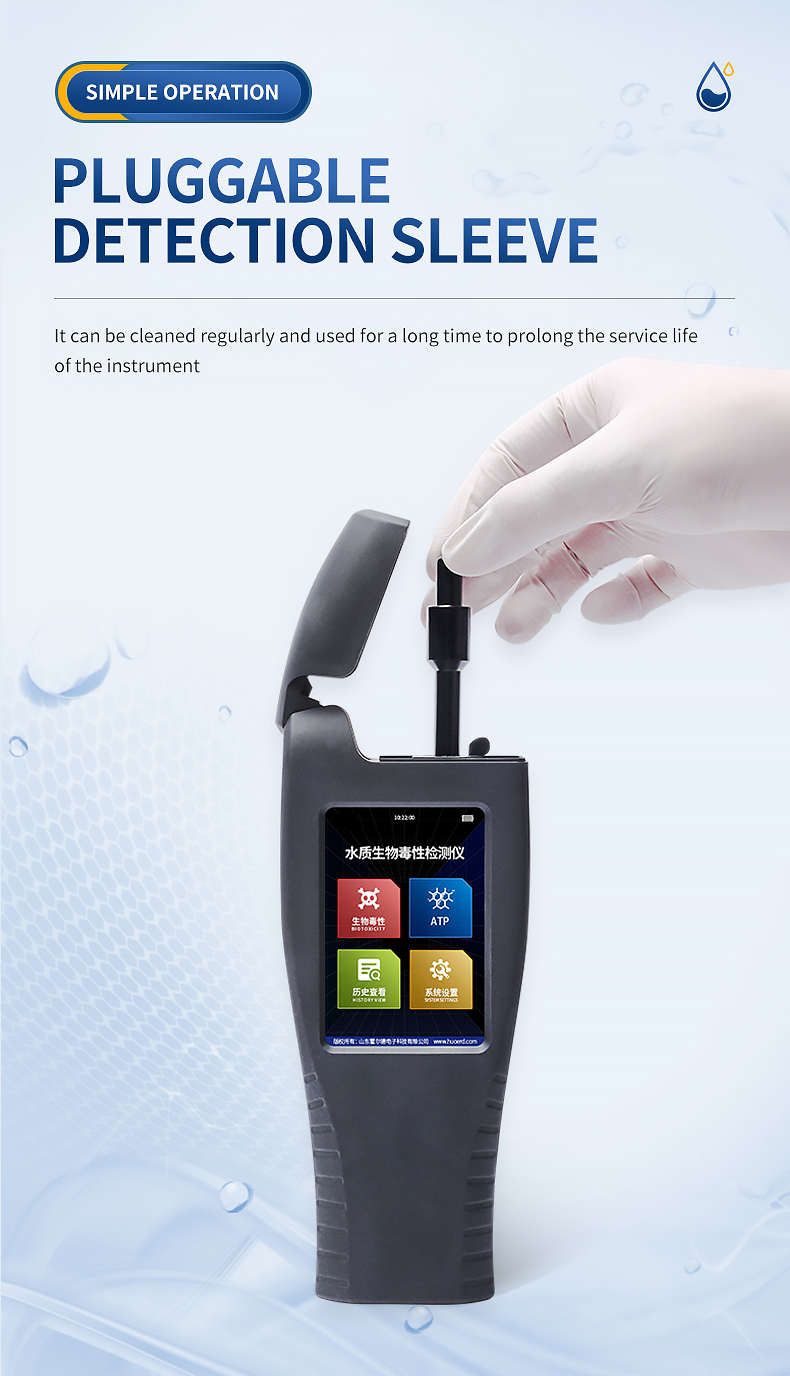
Pluggable removable washable test tubes: reduce ongoing consumable costs and prevent cross-contamination between samples
Silicon photomultiplier (SiPM) detector with 300–1100nm spectral range delivers enhanced sensitivity compared to traditional photomultiplier tubes
Three measurement modes (Fast, Standard, ATP) accommodate different screening scenarios from rapid triage to method-compliant analysis
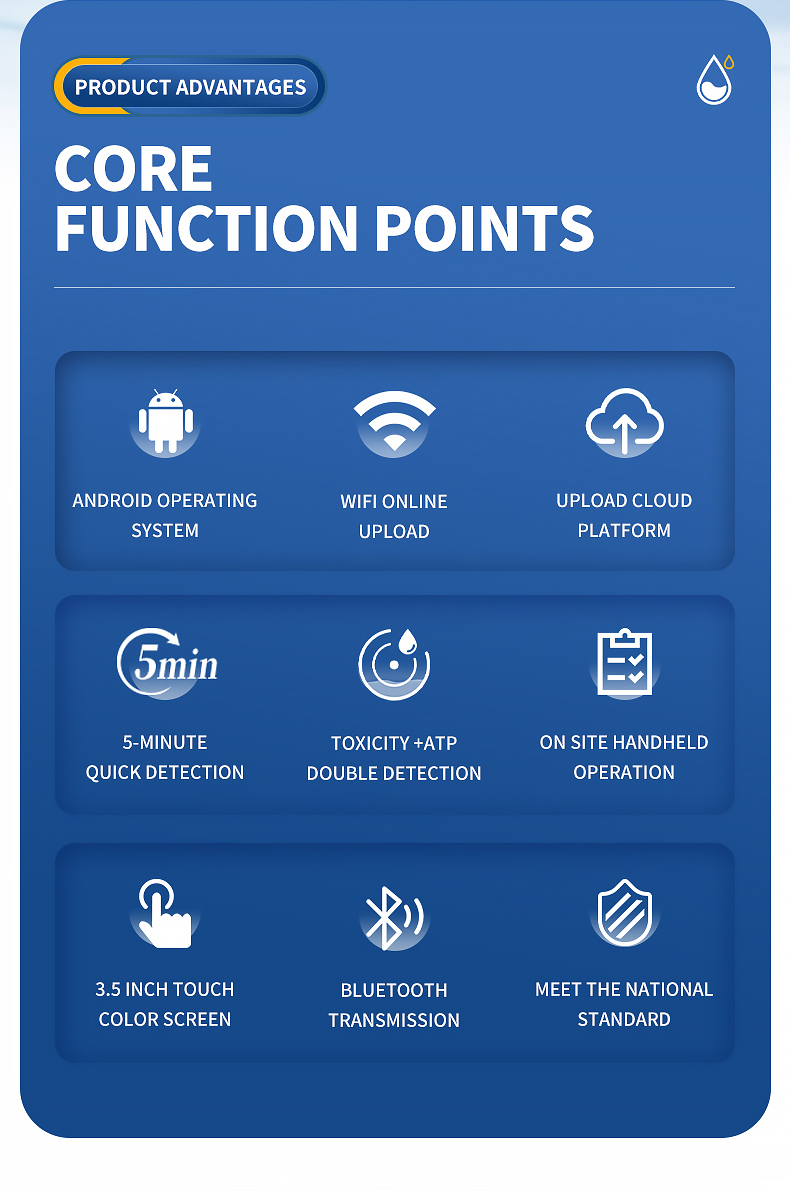
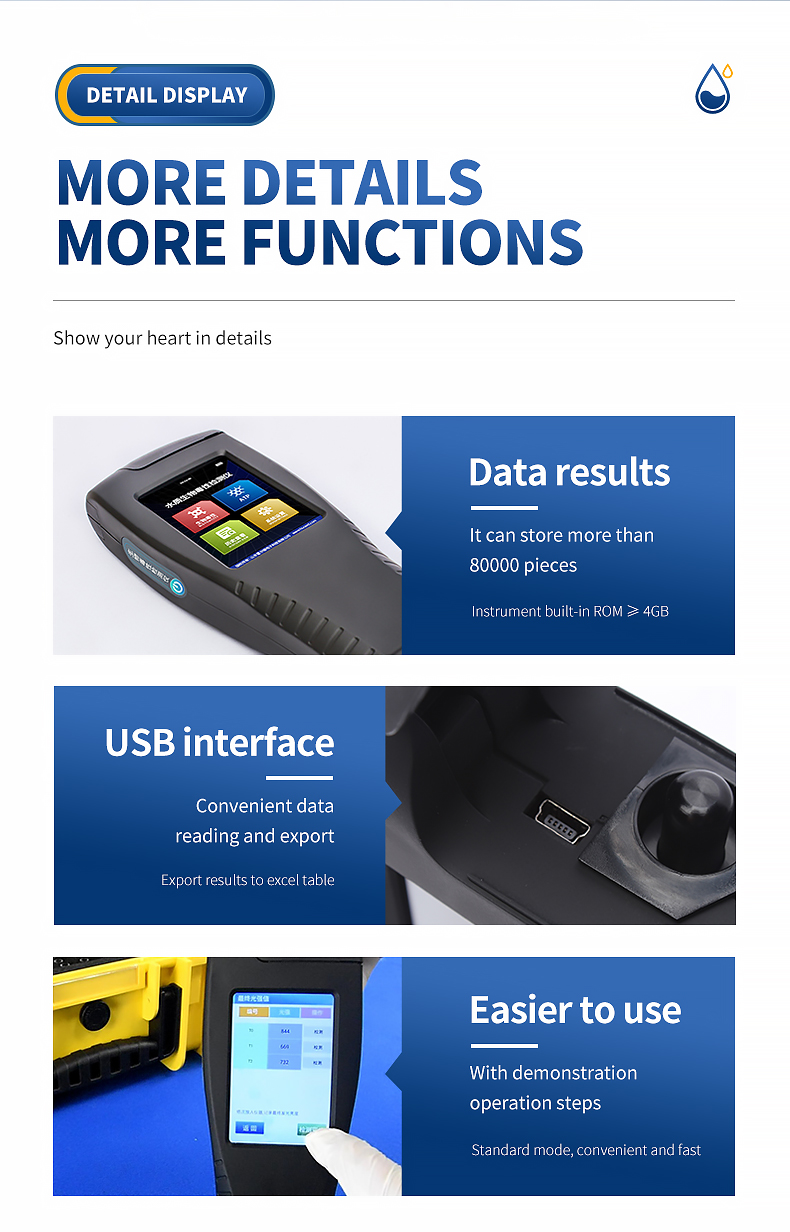
Android intelligent operating system with 3.5-inch color touchscreen: intuitive operation without specialized laboratory training
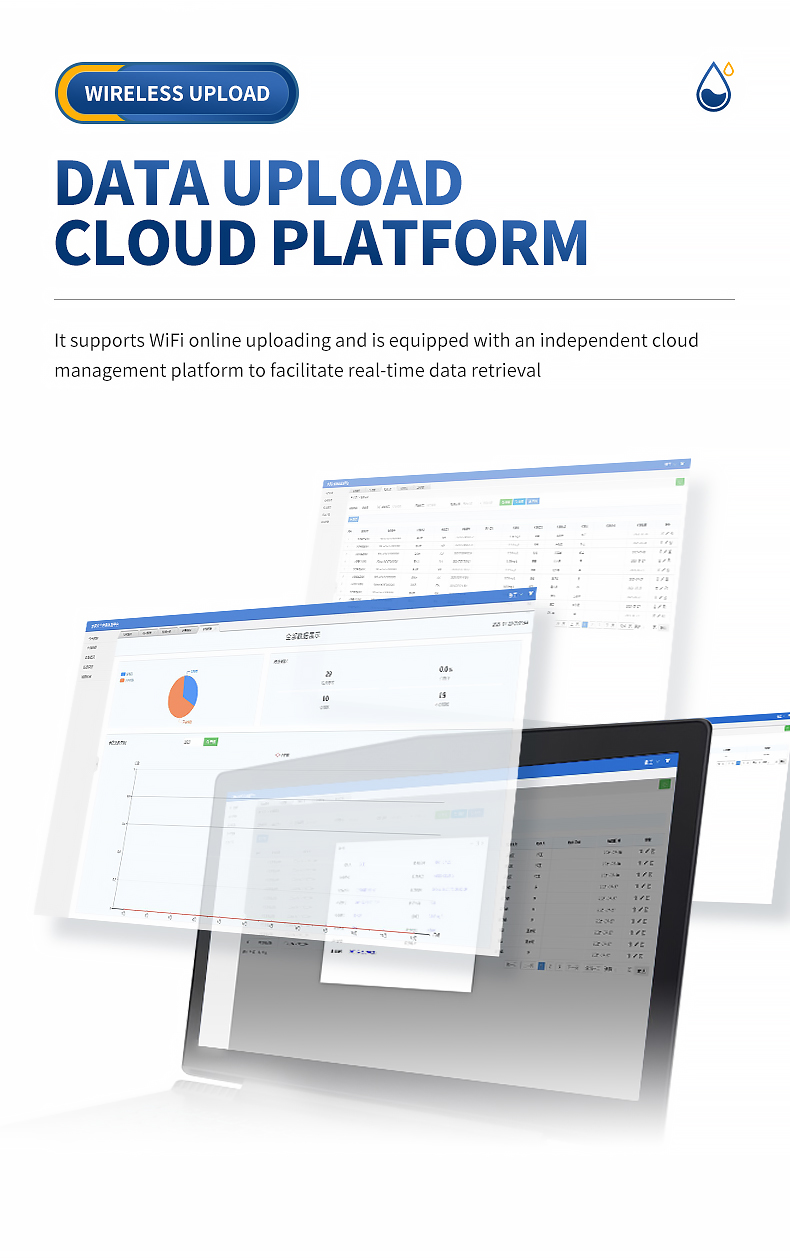
Wi-Fi, mobile hotspot, and Bluetooth connectivity enable real-time data upload to cloud monitoring platforms for regulatory compliance documentation
Over 80,000 records onboard storage with USB data export in Excel format for offline analysis and reporting
ATP mode with configurable upper and lower thresholds: automated pass/fail determination streamlines routine monitoring workflows
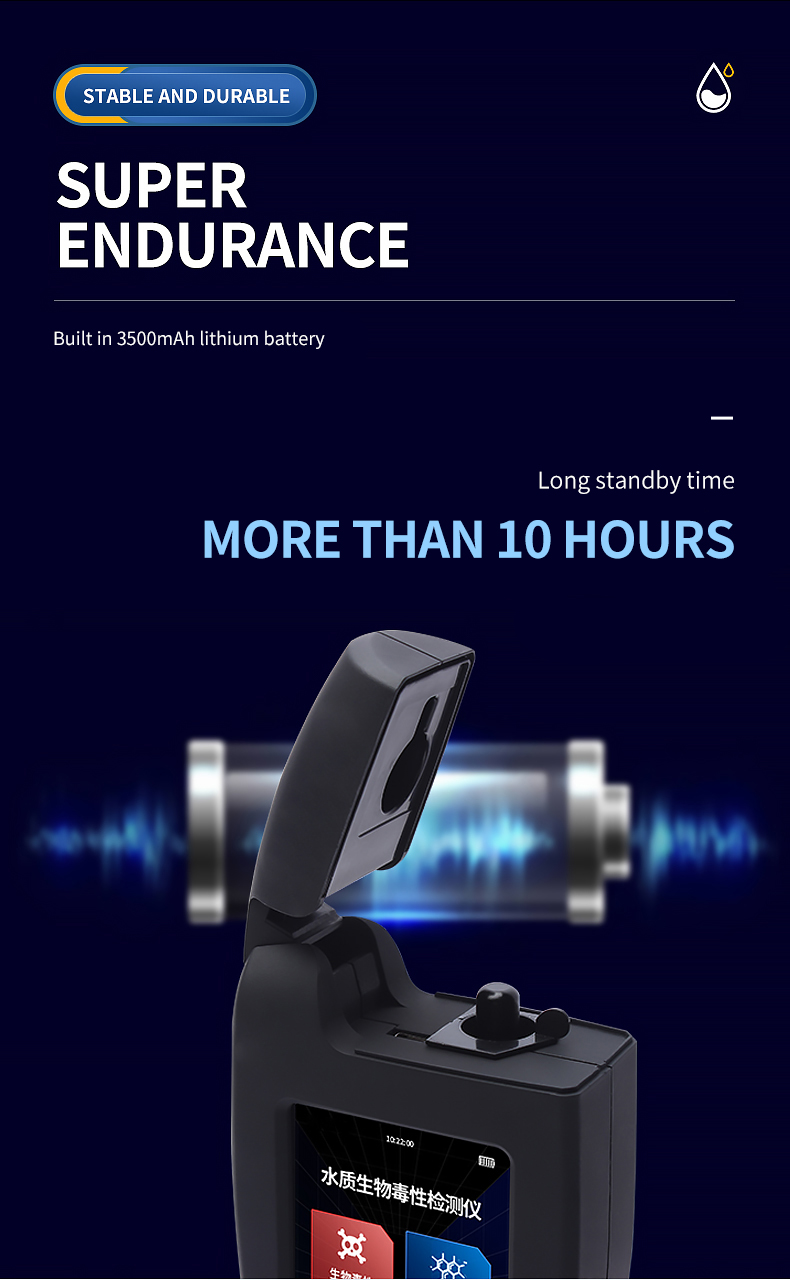
3500mAh lithium battery: over 4 hours continuous operation and 10+ hours standby for extended field deployments
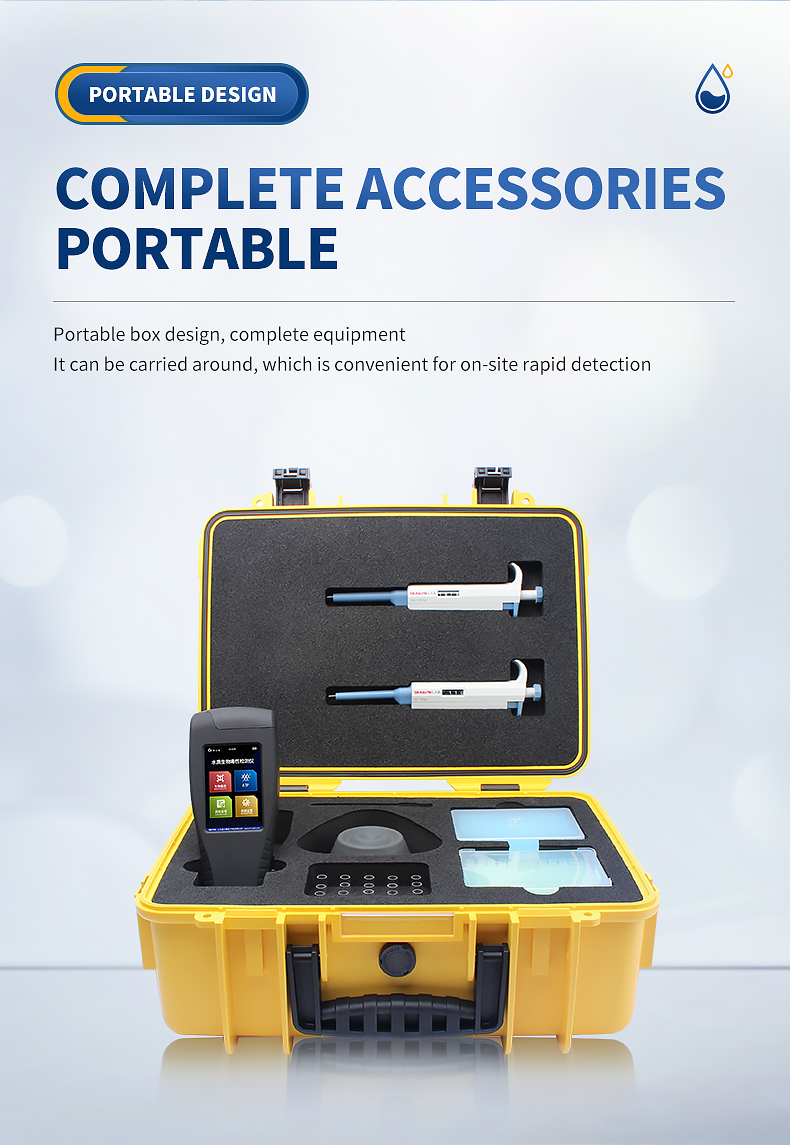
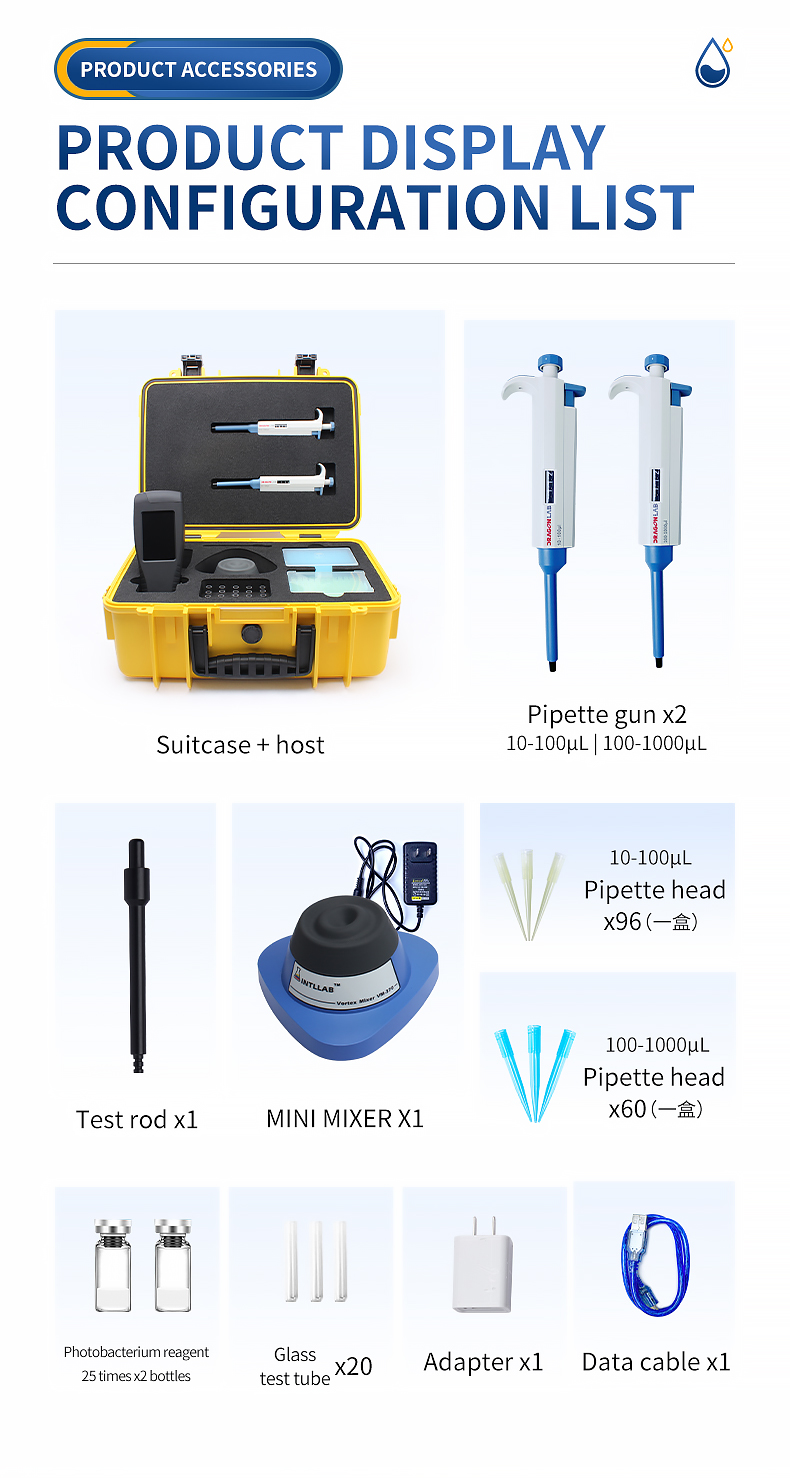
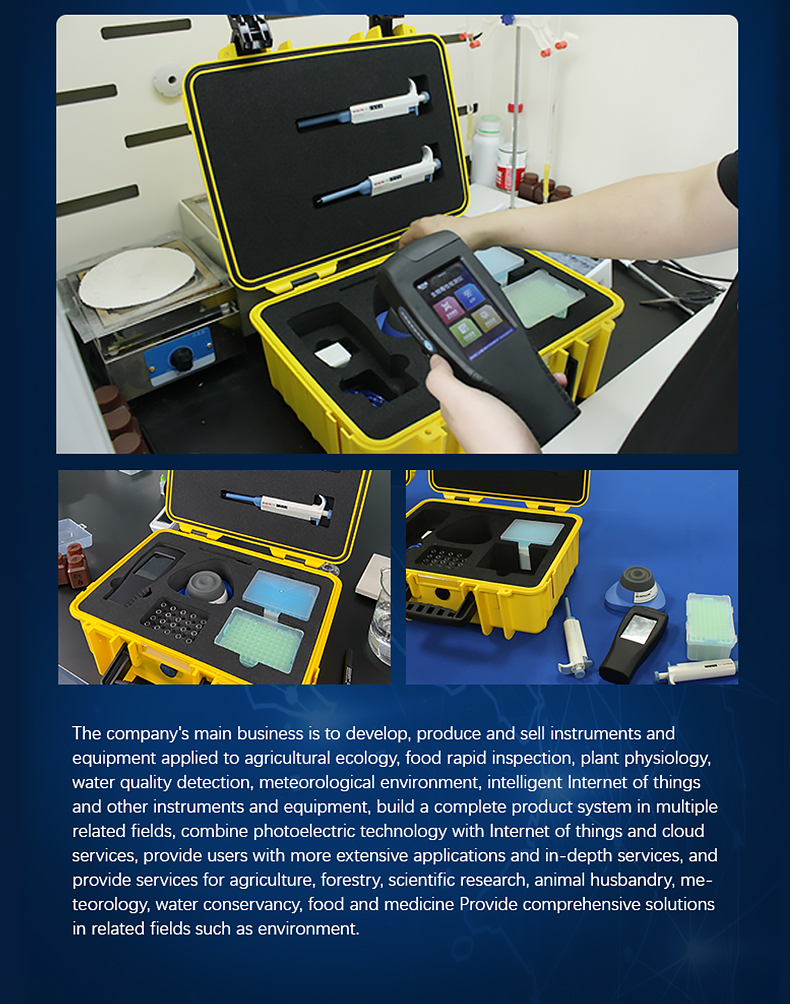
Complete portable kit: rugged yellow carrying case with all accessories including pipettes, reagent bottles, test tubes, and data cable
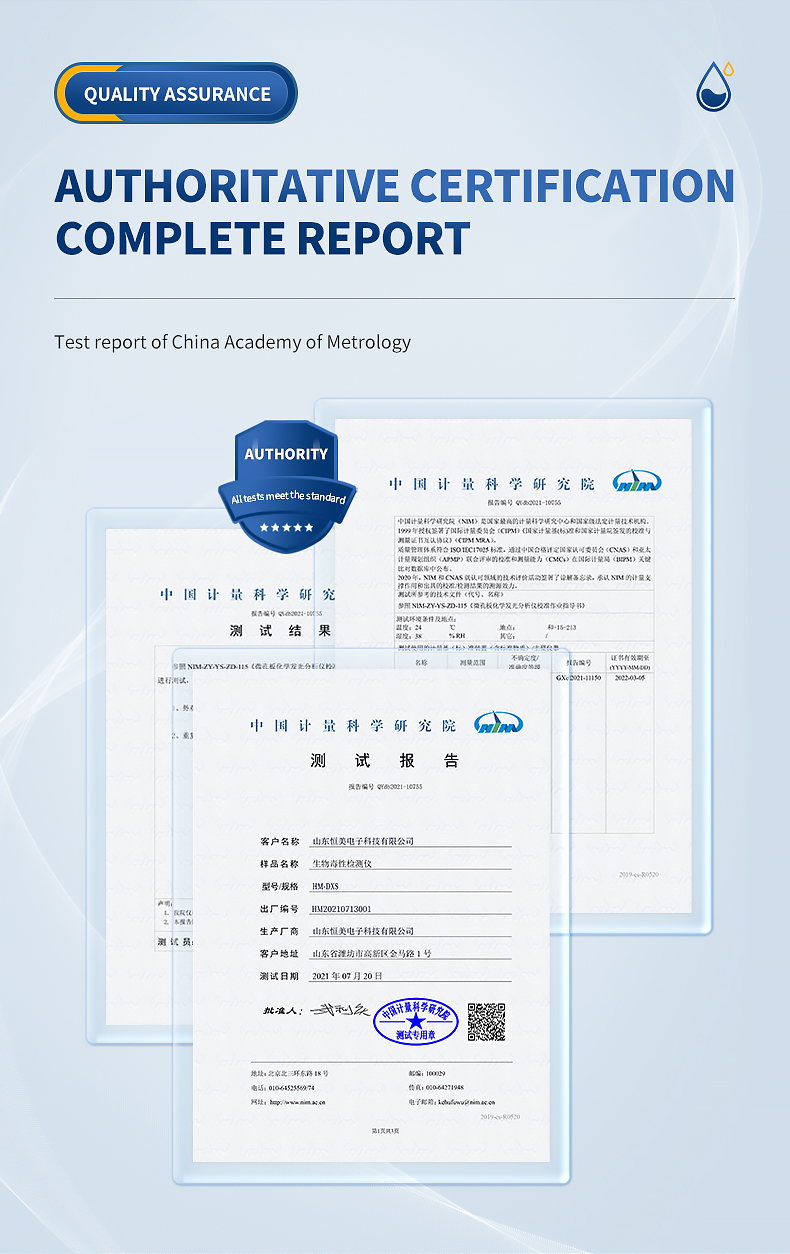
Full compliance with GB/T15441-1995 and ISO 11348-3: recognized by domestic and international regulatory frameworks
Technical Specifications
| Parameter | Specification |
|---|
| Measurement Modes | Fast mode, Standard mode, ATP mode |
| Detector | Silicon photomultiplier (SiPM) |
| Spectral Range | 300–1100nm |
| Measurement Range | 0–999,999 RLU |
| Inhibition Rate Range | -100% ~ 100% |
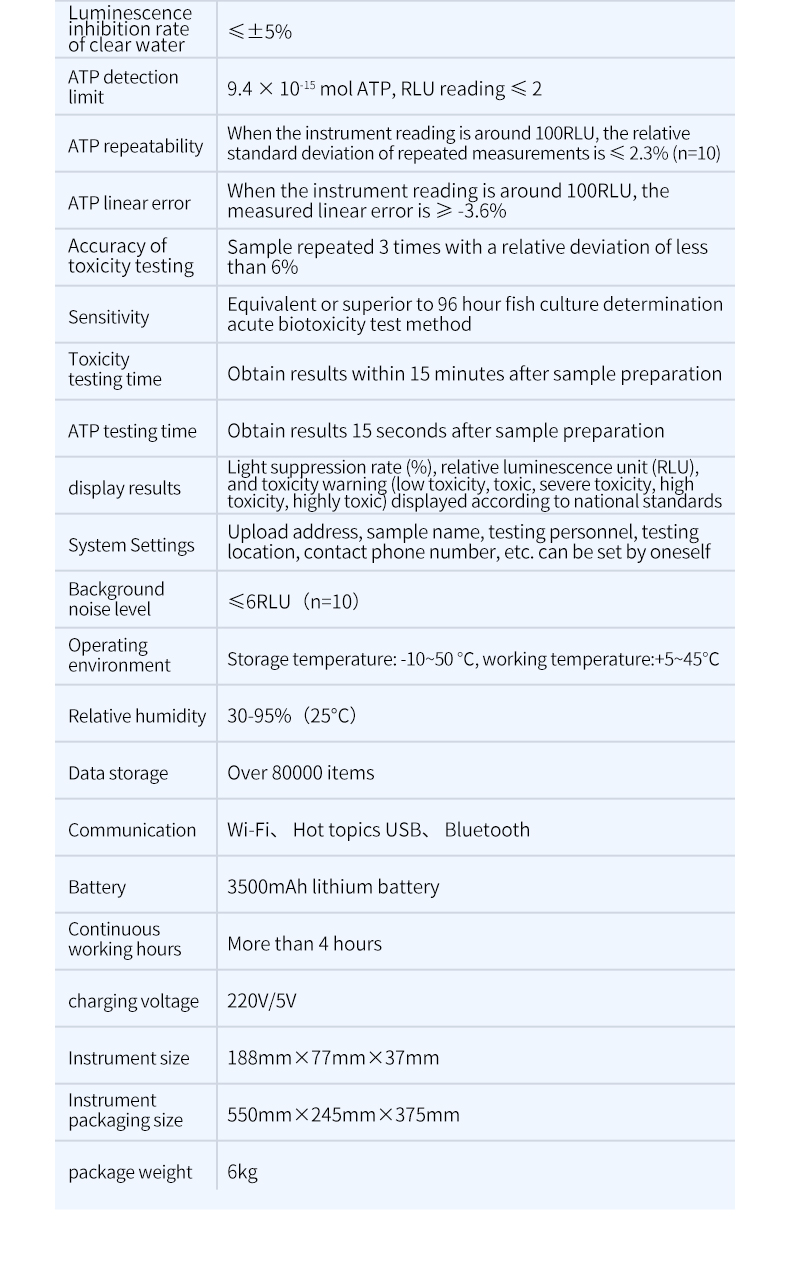
| Clear Water Luminescence Inhibition Rate | ≤ ±5% |
| ATP Sensitivity | 10⁻¹⁵ ~ 10⁻¹⁸ mol |
| ATP Detection Limit | 9.4×10⁻¹⁵ mol ATP, RLU ≤ 2 |
| ATP Repeatability | ≤ 2.3% RSD at ~100 RLU (n=10) |
| ATP Linear Error | ≥ -3.6% at ~100 RLU |
| Bacteria Strains | Photobacterium phosphoreum, Vibrio fischeri, Vibrio qinghaiensis |
| Method Standard | GB/T15441-1995 & ISO 11348-3 |
| Toxicity Test Accuracy | Relative deviation < 6% (3 replicates) |
| Sensitivity | Equivalent or superior to 96-hour fish acute toxicity test |
| Toxicity Test Time | Within 15 minutes after sample preparation |
| ATP Test Time | 15 seconds after sample preparation |
| Display Results | Inhibition rate (%), RLU, toxicity warning (low/toxic/heavy/high/highly toxic) |
| Background Noise | ≤ 6 RLU (n=10) |
| Data Storage | 80,000+ records |
| Communication | Wi-Fi, Mobile hotspot, USB, Bluetooth |
| Battery | 3500mAh lithium battery |
| Continuous Working Time | > 4 hours |
| Charging Voltage | 220V / 5V |
| Operating Temperature | +5 ~ +45°C |
| Storage Temperature | -10 ~ +50°C |
| Relative Humidity | 30–95% (25°C) |
| Instrument Dimensions | 188mm × 77mm × 37mm |
| Packaging Dimensions | 550mm × 245mm × 375mm |
| Package Weight | 6kg |
FAQ
Q: What types of toxicity can the HM-SDX detect?
A: The HM-SDX uses luminescent bacteria as a broad-spectrum bio-sensor sensitive to over 3000 toxic compounds including heavy metals (copper, zinc, chromium, lead, cadmium), pesticides, neurotoxins, industrial chemicals, and biological toxins. Rather than identifying specific substances, it provides a composite toxicity assessment — the total inhibitory effect of all toxicants present in the sample — which is often more relevant for water safety decisions than individual contaminant concentrations.
Q: How does ATP detection complement toxicity testing?
A: Toxicity testing with luminescent bacteria detects chemical and biological threats that impair cellular metabolism, but it does not directly quantify microbial contamination. ATP measurement detects total biological activity by quantifying adenosine triphosphate — the universal energy currency of living cells. A sample with high ATP but low toxicity may indicate bacterial contamination from sewage or biofilm that would not trigger the toxicity assay, while high toxicity with low ATP may indicate chemical contamination. Together, they provide a more complete water quality picture.
Q: Can the HM-SDX replace laboratory testing entirely?
A: The HM-SDX is designed as a rapid screening tool for field use, providing qualitative toxicity classification and ATP quantification within minutes. It excels at identifying samples that require urgent attention and prioritizing which samples should be sent for detailed laboratory analysis. For regulatory reporting that requires specific contaminant identification or quantitative EC50 determination, laboratory testing with a portable or benchtop quantitative analyzer remains necessary.
Q: What training is required to operate the HM-SDX?
A: The Android-based 3.5-inch touchscreen interface with built-in demonstration operation steps enables personnel with standard operational training to perform tests competently. The instrument guides users through sample preparation and measurement sequences on-screen. However, proper reagent handling (lyophilized bacteria reconstitution, dilution preparation) requires basic laboratory technique training, which HM Instruments provides through video tutorials and one-on-one engineer guidance.
Q: How should luminescent bacteria reagents be stored?
A: Freeze-dried luminescent bacteria reagent should be stored at -20°C in a freezer for long-term preservation (typically 6–12 months shelf life). Once reconstituted with recovery diluent, the bacteria suspension should be used within the time window specified in the reagent instructions — typically within 30 minutes to 2 hours depending on the strain and ambient temperature. The HM-SDX's pluggable test tube design simplifies reagent handling in the field.
Q: What is the difference between the HM-SDX and the HM-BDX models?
A: The HM-SDX is a compact handheld instrument focused on qualitative toxicity screening and ATP detection, ideal for rapid field triage. The HM-BDX is a larger portable unit (420×330×175mm) with an integrated automatic dark chamber, 7-inch touchscreen, built-in printer, and quantitative EC50 determination capability. Choose the HM-SDX for maximum portability and speed; choose the HM-BDX when you need quantitative results, automatic calibration, and documented reporting for regulatory submissions.
Article address:https://www.hmwatertesting.cn/swdx2/rapid-field-water-toxicity-screening-emergency.html

 Current
location:
Current
location:
 +86 17853698681