
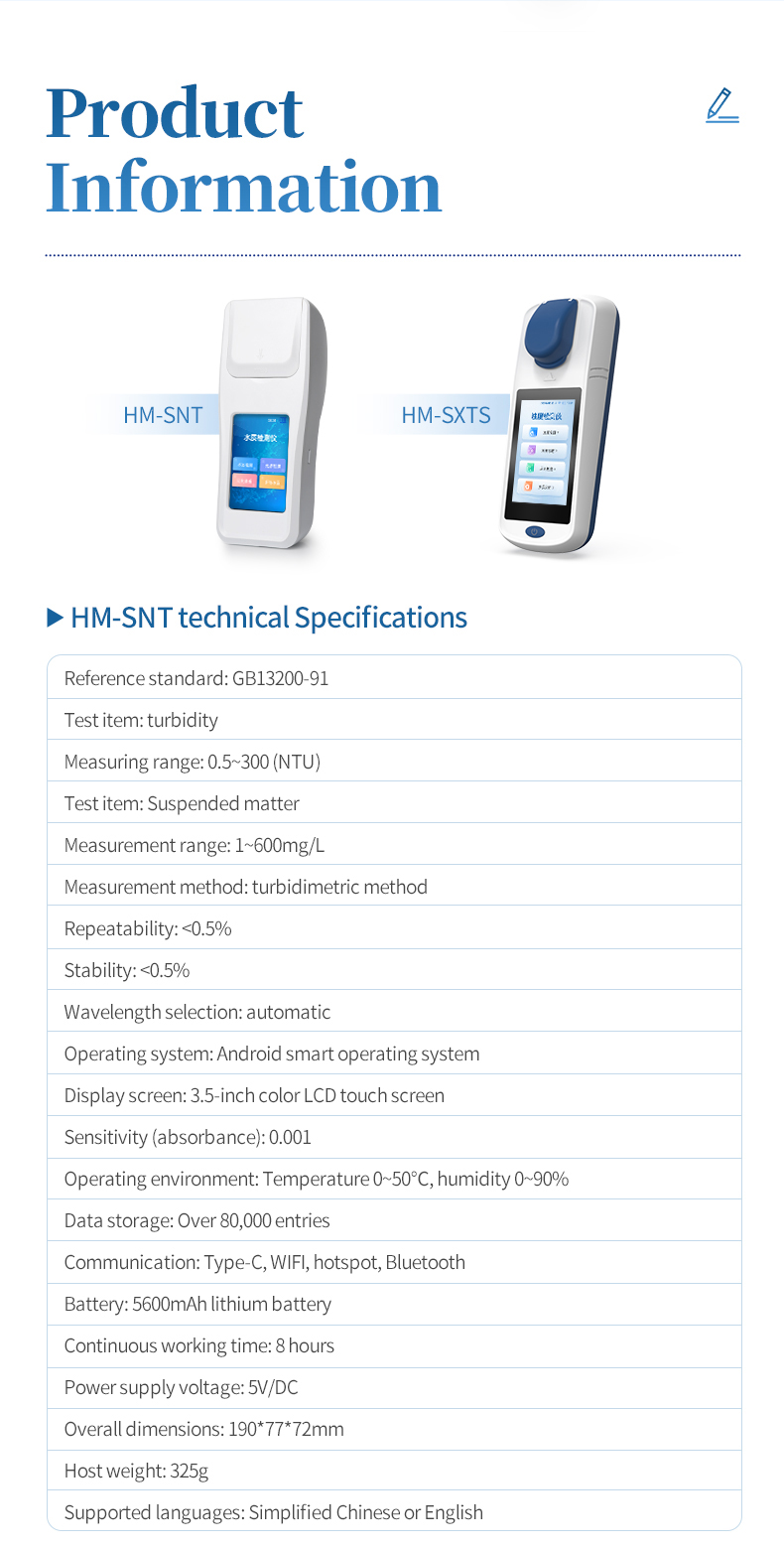


Product Introduction
Environmental water quality monitoring requires assessment of both turbidity and suspended solids concentration to understand sediment dynamics in natural water bodies. Turbidity measures the optical scattering properties of water, while TSS quantifies the actual mass concentration of suspended particles. These two parameters are related but not identical — the turbidity-to-TSS ratio varies with particle size distribution, composition, and color. Environmental professionals need both values to accurately assess erosion impacts, track pollutant transport, and verify compliance with surface water quality standards.
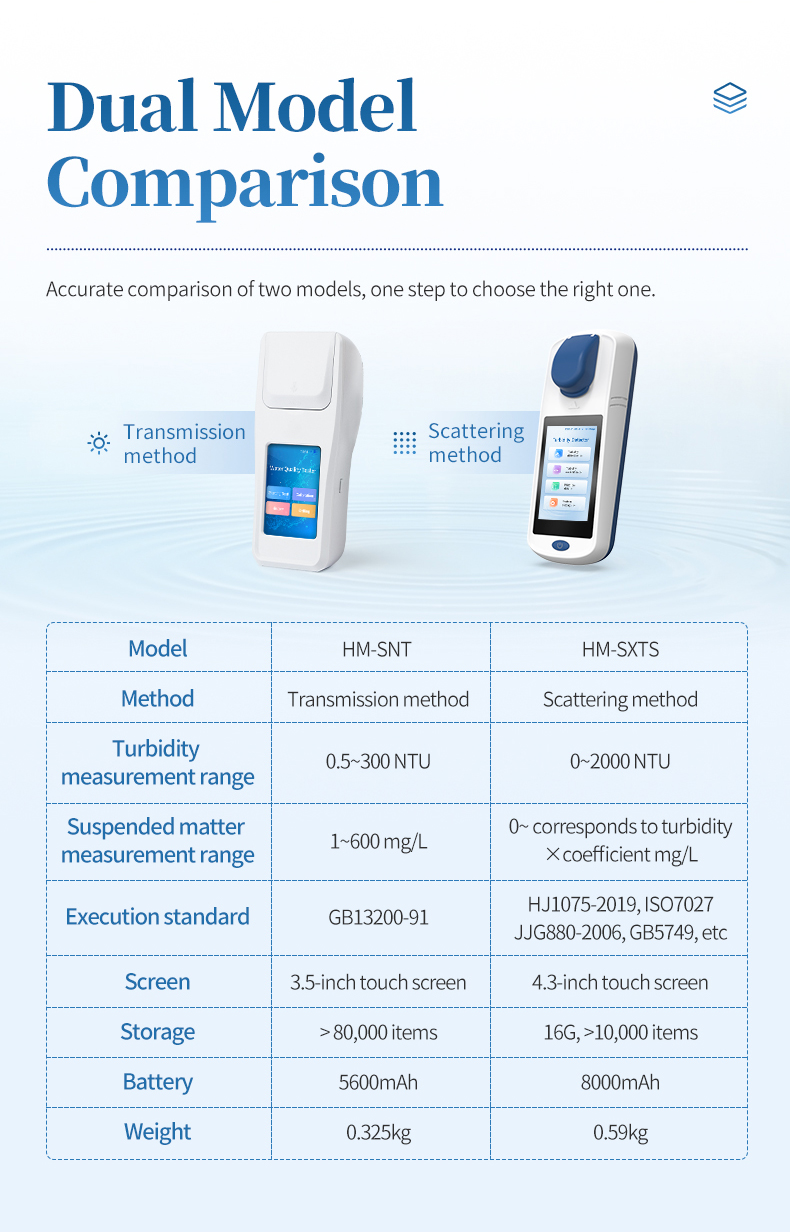
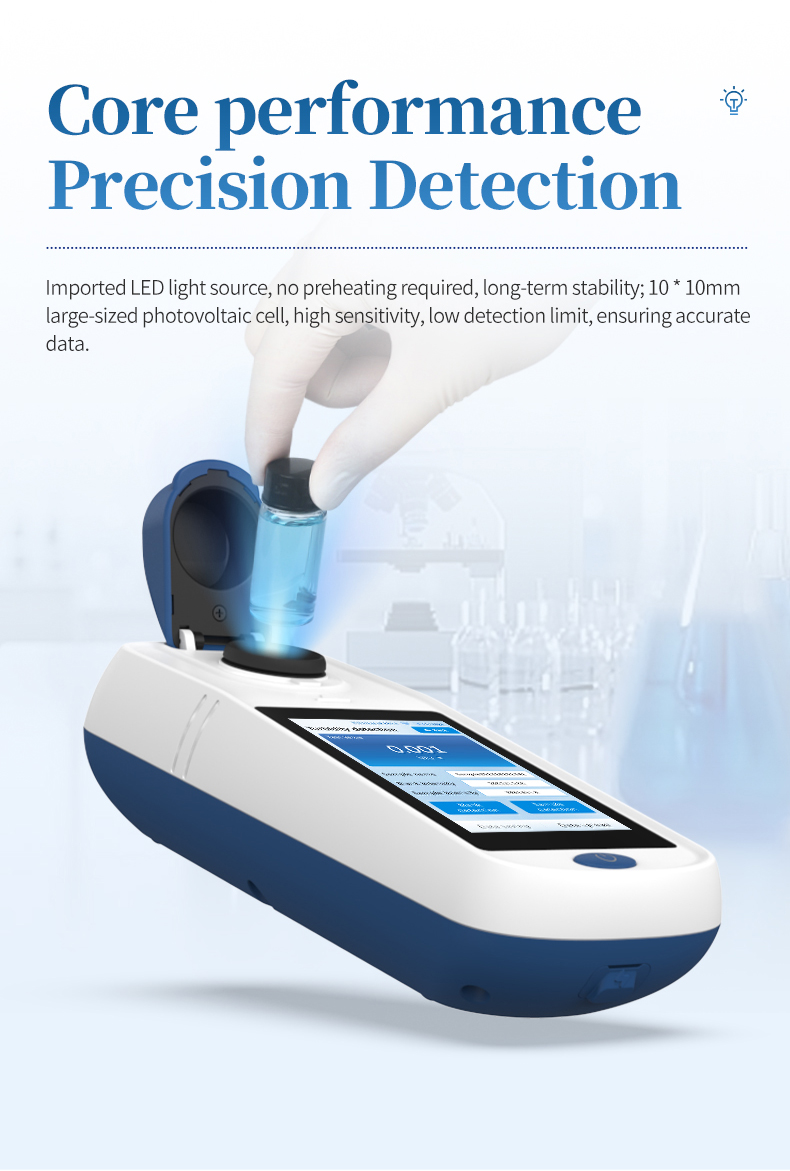
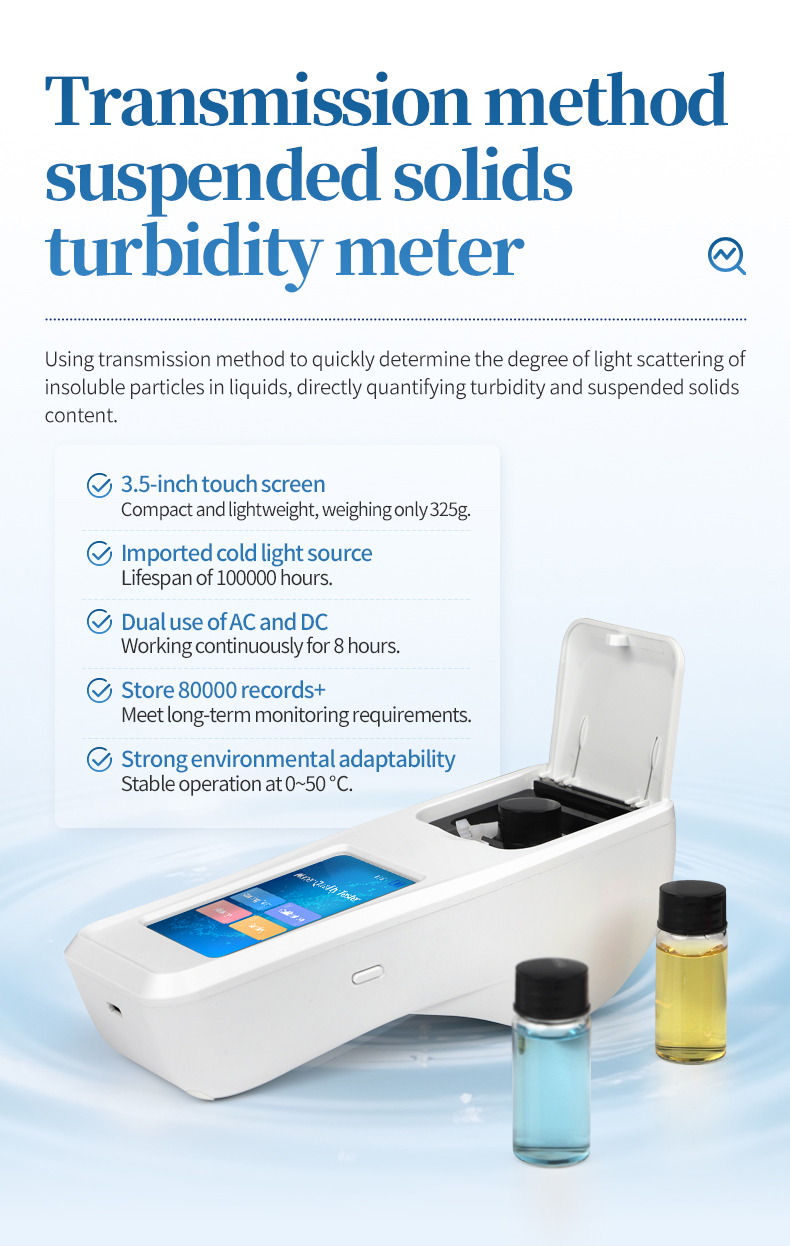
The HM-SXTS addresses this need by combining nephelometric turbidity measurement and TSS determination in a single field instrument. Using an 860nm LED source per ISO 7027, it measures turbidity from 0 to 2000 NTU with 0.001 NTU resolution, then converts the turbidity reading to TSS concentration (mg/L) using a user-configurable empirical coefficient. Under stable water source conditions where particle characteristics remain consistent, a reliable linear relationship exists between turbidity and TSS, enabling accurate conversion. The default coefficient (1 NTU ≈ 1 mg/L) can be calibrated against site-specific laboratory gravimetric data to reflect local water matrix conditions, seasonal variations, or land-use changes affecting sediment characteristics.
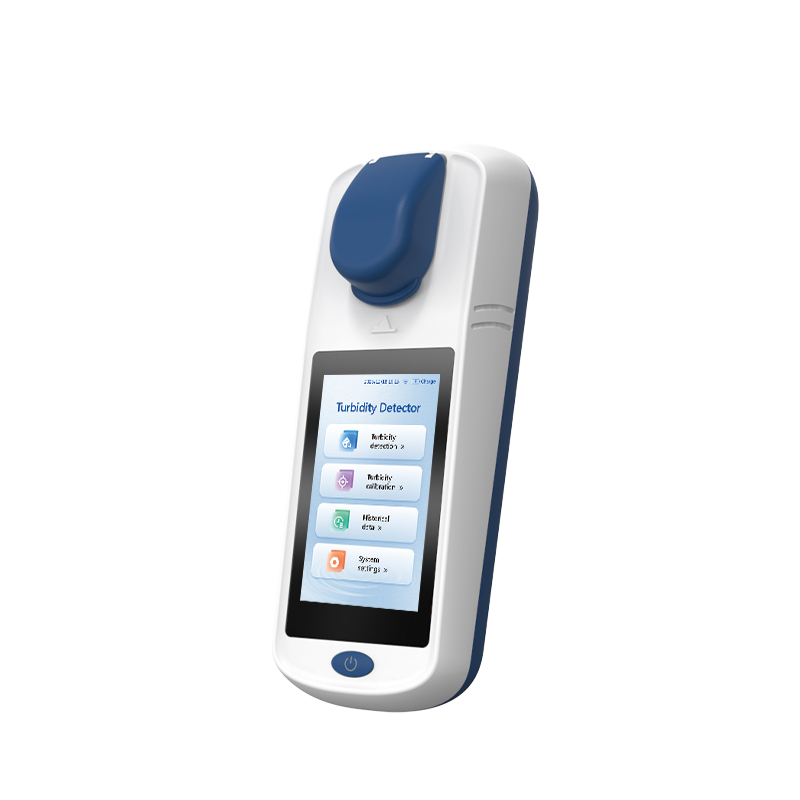
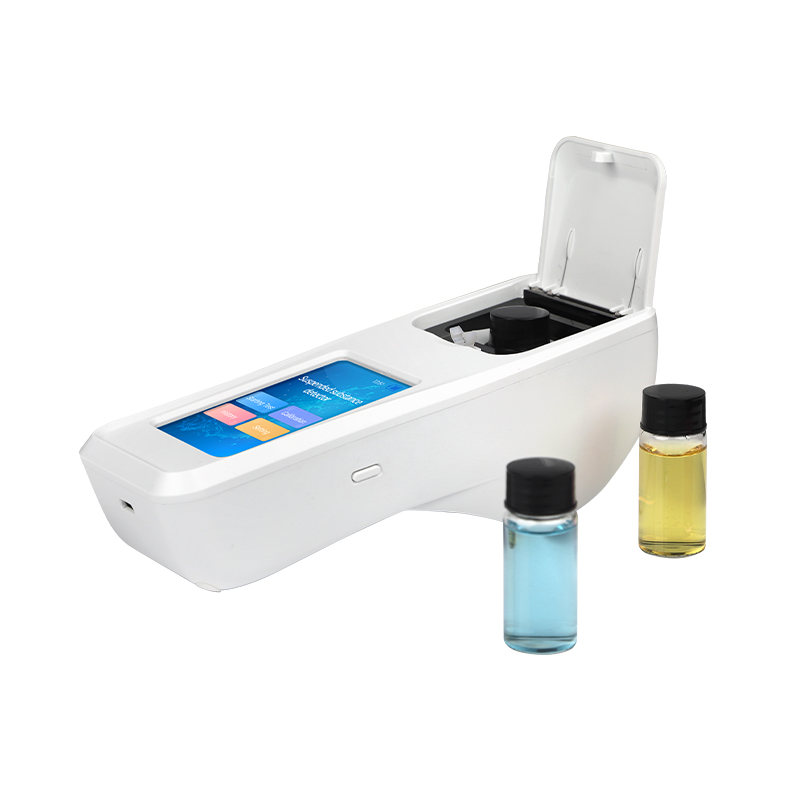
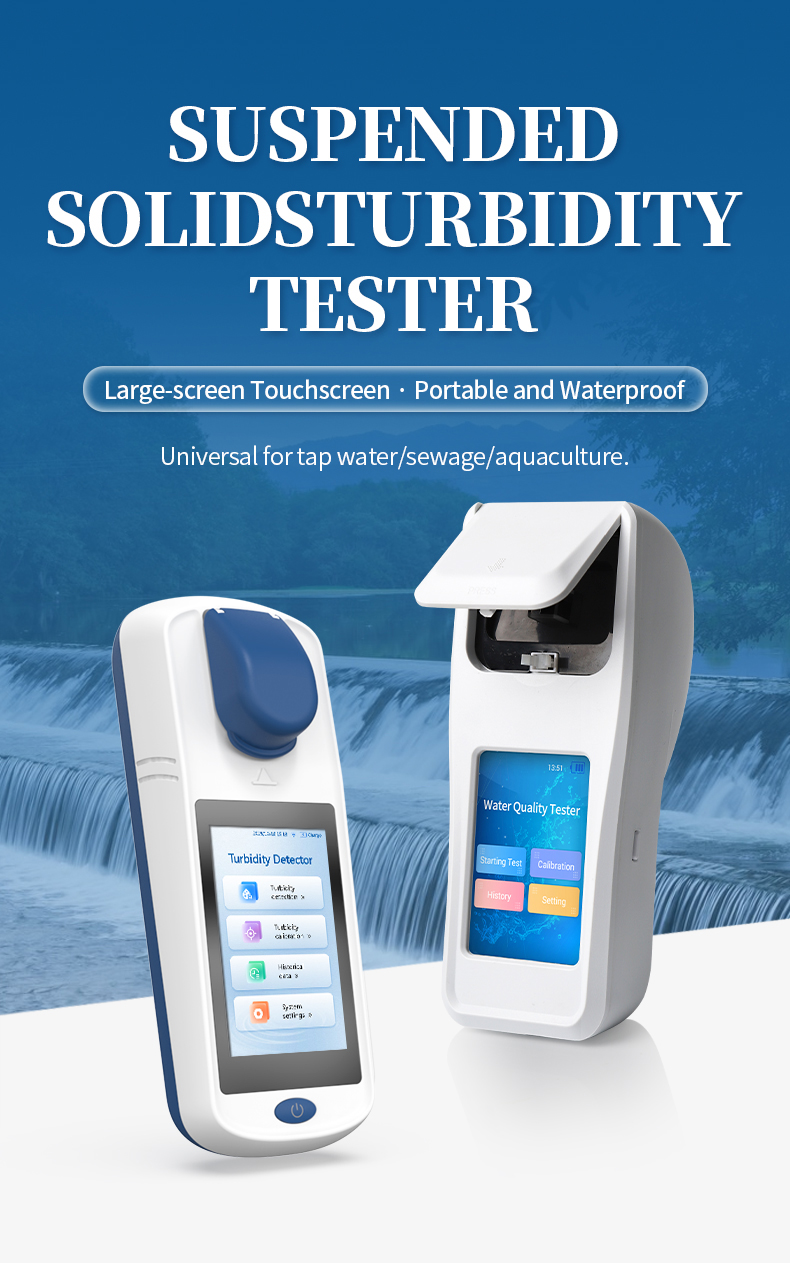
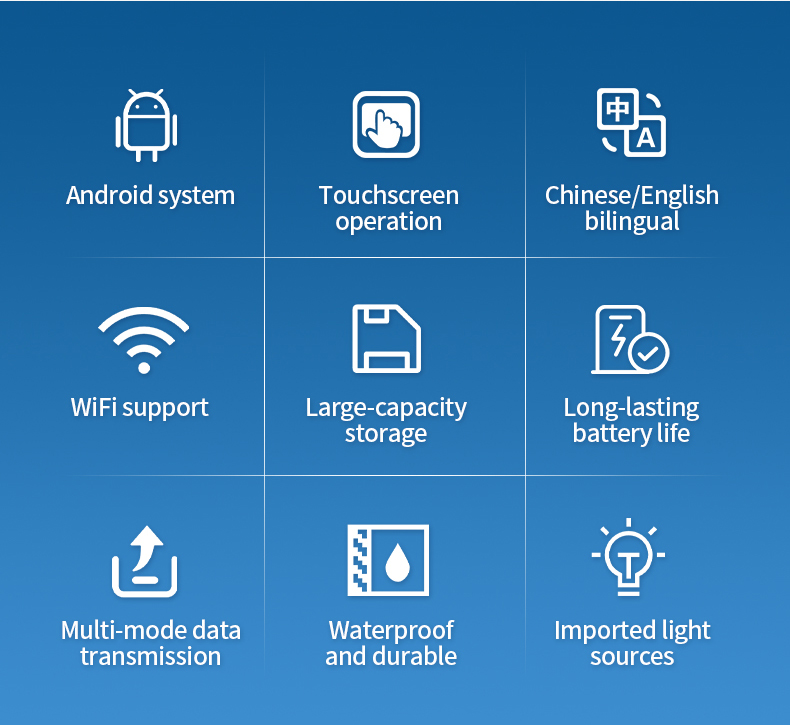
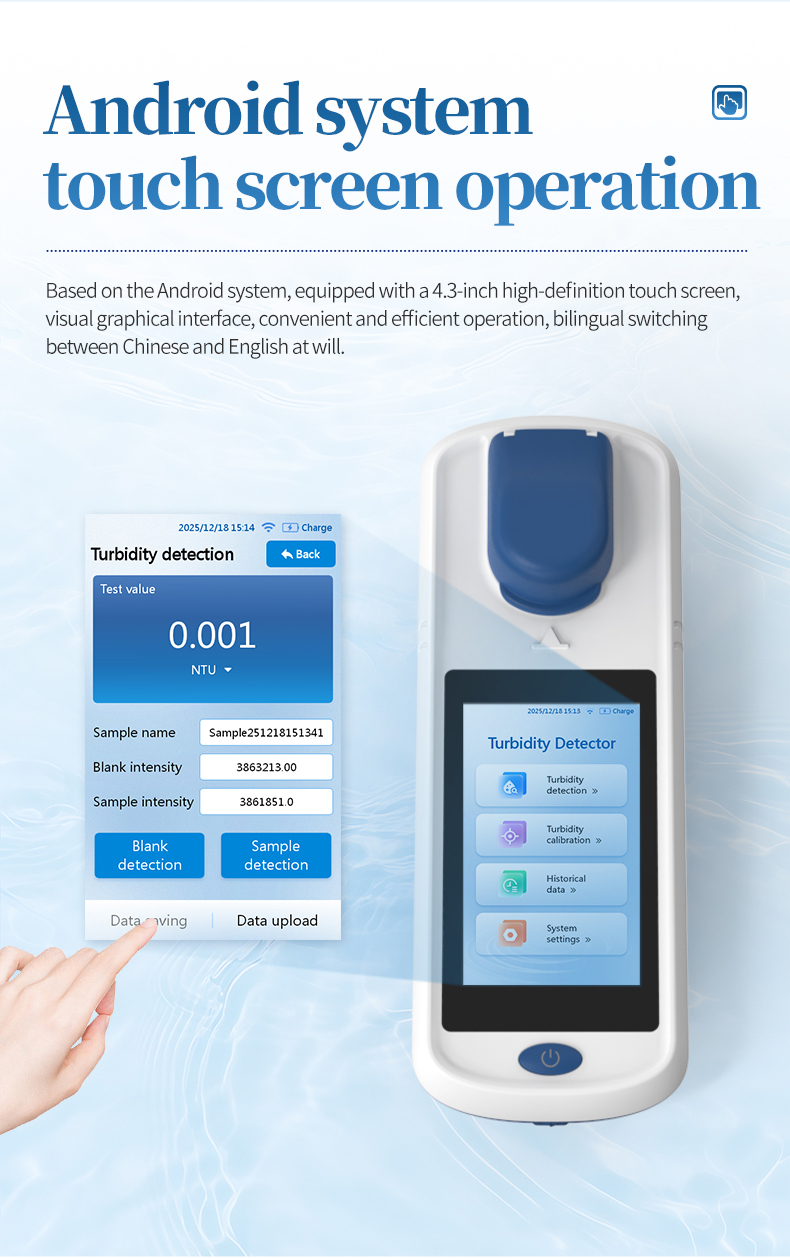
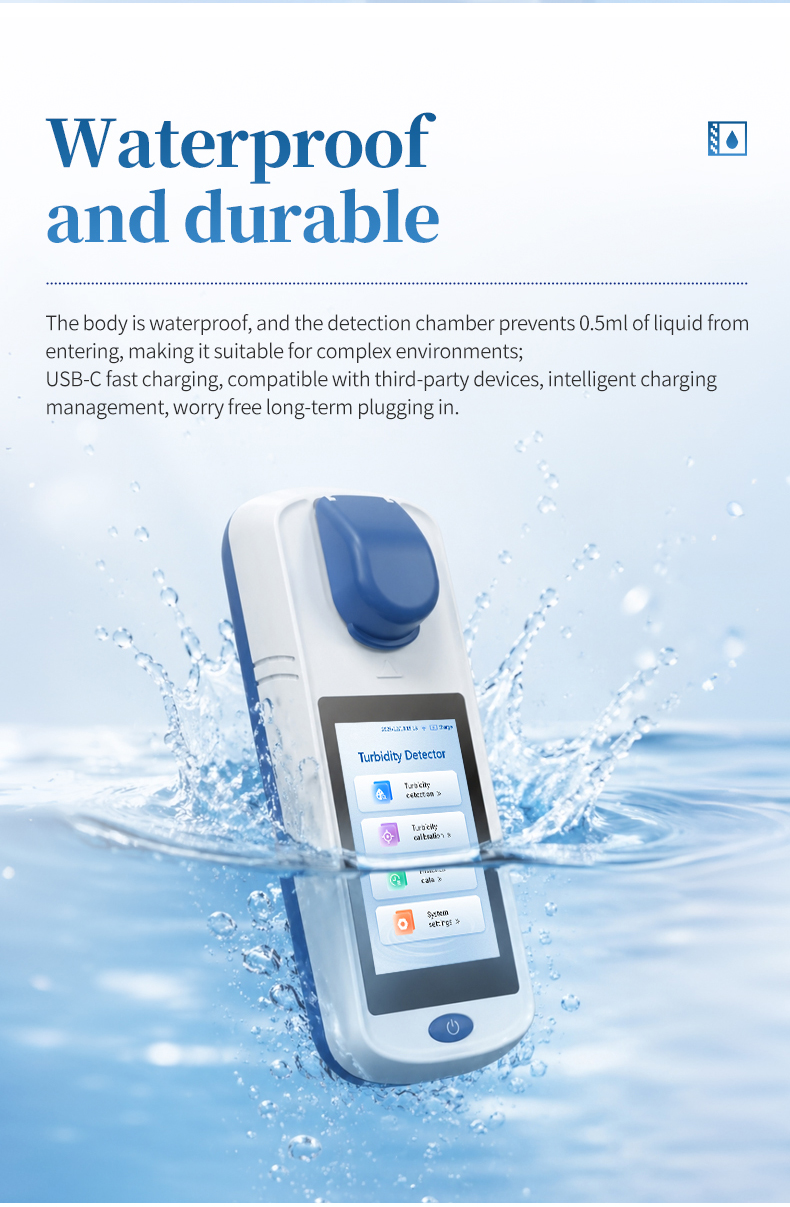
For environmental field work, the HM-SXTS provides IP65 protection against dust and water jets encountered at riverbanks, lake shorelines, and monitoring stations. The 8000mAh battery supports extended sampling campaigns at remote sites, while the 4.3-inch touchscreen with Android interface enables efficient data review on location. All measurements are stored on 16 GB internal memory with Wi-Fi, Bluetooth, and USB data export for GIS integration and trend analysis.
Applications
River water quality monitoring: tracking turbidity and TSS for erosion assessment and flood event analysis
Lake and reservoir surveillance: monitoring sediment loading and eutrophication indicators
Groundwater quality assessment: evaluating suspended solids in well water samples
Stormwater discharge monitoring: measuring turbidity and TSS at construction site outfalls
Aquaculture pond management: tracking solids concentration to maintain healthy rearing conditions
Drinking water source protection: monitoring surface water quality at intake points
Functional Performance
Simultaneous nephelometric turbidity (0–2000 NTU) and TSS (mg/L) measurement with configurable conversion coefficient
860nm NIR LED per ISO 7027 minimizes color interference from dissolved organics in natural water bodies
User-defined TSS coefficient allows calibration against site-specific gravimetric data for accurate local conversion
0.001 NTU turbidity resolution with (0.001 × coefficient) mg/L TSS resolution for precise environmental data
±6% indication error and ≤0.5% repeatability for reliable environmental compliance reporting
IP65 protection for operation at exposed riverbank and lakeside monitoring stations
8000mAh battery supporting full-day remote site sampling without mains power
4.3-inch HD touchscreen readable in outdoor daylight conditions
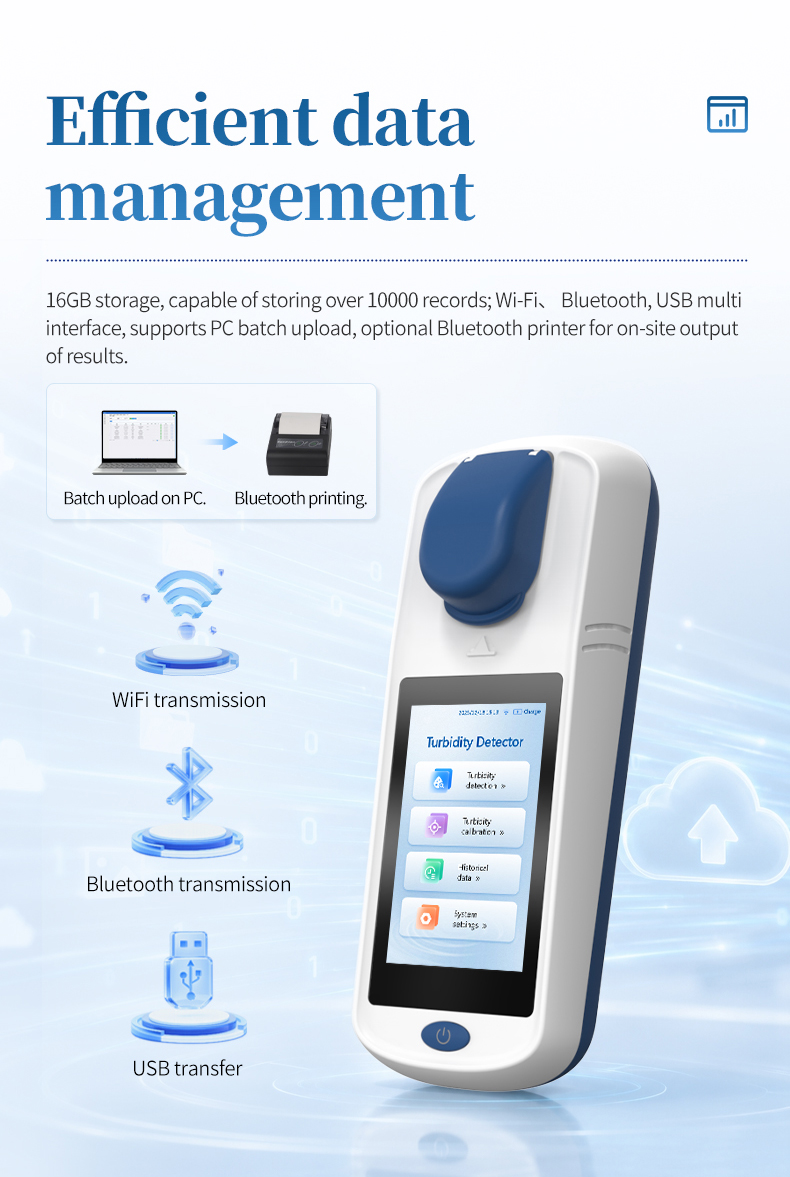
16 GB storage for over 10,000 dual-parameter records with wireless and USB export
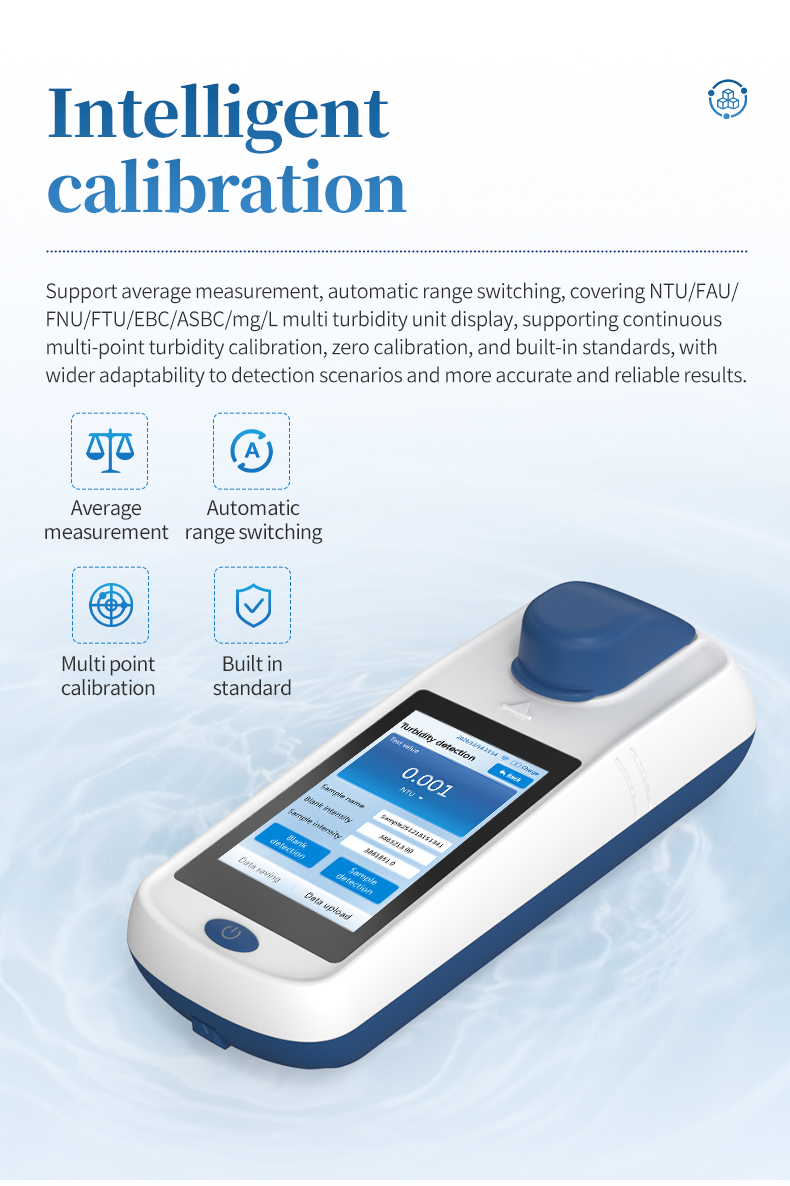
Multi-unit display including NTU, FAU, FNU, FTU, EBC, ASBC, and mg/L
Main Parameters
| Parameter | Specification |
|---|
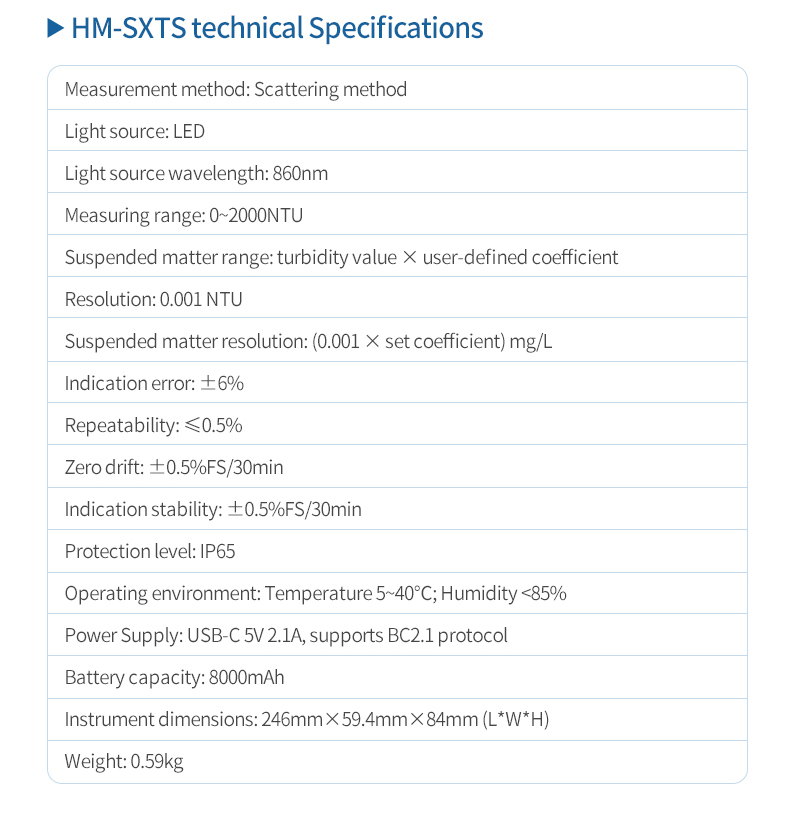
| Measurement Method | Nephelometric (scattered light), single wavelength |
| Light Source | LED, 860nm |
| Turbidity Range | 0–2000 NTU |
| Suspended Solids Range | Display value = turbidity × user-defined coefficient |
| Turbidity Resolution | 0.001 NTU |
| TSS Resolution | (0.001 × set coefficient) mg/L |
| Display Units | NTU, FAU, FNU, FTU, EBC, ASBC, mg/L |
Technical Parameters
| Parameter | Specification |
|---|
| Model | HM-SXTS |
| Measurement Method | Nephelometric (scattered light) |
| Detection Items | Turbidity + Suspended Solids |
| Light Source | LED, 860nm |
| Turbidity Range | 0–2000 NTU |
| TSS Conversion | User-defined coefficient (default 1 NTU ≈ 1 mg/L) |
| Indication Error | ±6% |
| Repeatability | ≤0.5% |
| Zero Drift | ±0.5% FS/30 min |
| Indication Stability | ±0.5% FS/30 min |
| Protection Rating | IP65 |
| Operating Temperature | 5–40 °C |
| Operating Humidity | <85% RH |
| Power Supply | USB-C 5V 2.1A (BC2.1 protocol) |
| Battery Capacity | 8000 mAh |
| Dimensions | 246 mm × 59.4 mm × 84 mm |
| Weight | 0.59 kg |
| Applicable Standards | HJ 1075-2019, ISO 7027, JJG 880-2006, GB 5749, CJ 3020, GB/T 14848 |
FAQ
Q1: Why monitor both turbidity and TSS in environmental water bodies?
A: Turbidity and TSS are related but distinct parameters. Turbidity measures the optical scattering properties of water, which is affected by particle size, shape, and color. TSS measures the actual mass concentration of suspended particles. The relationship between them varies with water composition — fine clay particles produce high turbidity at low mass, while coarse sand produces low turbidity at high mass. Monitoring both parameters provides a more complete picture of sediment dynamics, enabling accurate assessment of erosion impacts, pollutant transport, and compliance with surface water quality standards that may specify limits for both NTU and mg/L.
Q2: How is the TSS conversion coefficient calibrated for different water bodies?
A: Collect representative water samples from the monitoring site and measure turbidity with the HM-SXTS. Simultaneously determine TSS through standard laboratory gravimetric analysis — filtering a known volume through a pre-weighed filter, drying, and weighing the residue. Divide the gravimetric TSS result (mg/L) by the corresponding turbidity reading (NTU) to derive the empirical coefficient, then enter this value into the instrument. This procedure should be repeated seasonally or after significant rainfall events, as changes in runoff patterns can alter the turbidity-TSS relationship.
Q3: Can the HM-SXTS be used for GB/T 14848 groundwater quality assessment?
A: Yes. The HM-SXTS conforms to the applicable measurement standards (ISO 7027, HJ 1075-2019, JJG 880-2006) and provides both turbidity and TSS data relevant to GB/T 14848 groundwater quality classification. Its 0.001 NTU resolution detects turbidity well below the limits specified for Class I through Class V groundwater, and the configurable TSS coefficient enables accurate solids determination for well water samples where particle characteristics may differ from surface water sources.
Q4: What happens when the turbidity-TSS relationship changes during a storm event?
A: During storm events, increased runoff can shift the turbidity-TSS ratio as coarser particles are mobilized. For monitoring during such events, it is advisable to establish separate coefficients for base-flow and storm-flow conditions. The HM-SXTS allows the coefficient to be changed at any time through the touchscreen interface, so operators can switch to a storm-calibrated coefficient when rainfall triggers elevated turbidity readings, then revert to the base-flow coefficient after conditions stabilize.
Q5: How does the 860nm wavelength benefit environmental water monitoring?
A: Natural water bodies often contain dissolved organic matter — humic and fulvic acids from decaying vegetation — that imparts a yellow-brown color. Broadband visible-light turbidity meters can produce inflated readings in such colored water because the detector responds to both particle scatter and dissolved color absorption. The 860nm near-infrared wavelength specified by ISO 7027 is minimally absorbed by dissolved organics, so the HM-SXTS measures only true particulate scatter. This provides more accurate turbidity data in organically stained rivers, lakes, and wetland water, which is critical for reliable environmental trend analysis.
Q6: Is the HM-SXTS suitable for remote monitoring stations?
A: Yes. The IP65-rated enclosure protects against dust and water jets encountered at exposed monitoring stations. The 8000mAh lithium battery supports extended sampling campaigns away from mains power, and the USB-C port with BC2.1 protocol is compatible with solar panel battery packs for renewable charging at remote sites. The 16 GB internal memory stores over 10,000 dual-parameter records, and data can be transferred via Wi-Fi or Bluetooth to field laptops without requiring a USB cable connection.
Article address:https://www.hmwatertesting.cn/suspended-solids-turbidity-meter/dual-parameter-water-quality-analysis.html

 Current
location:
Current
location: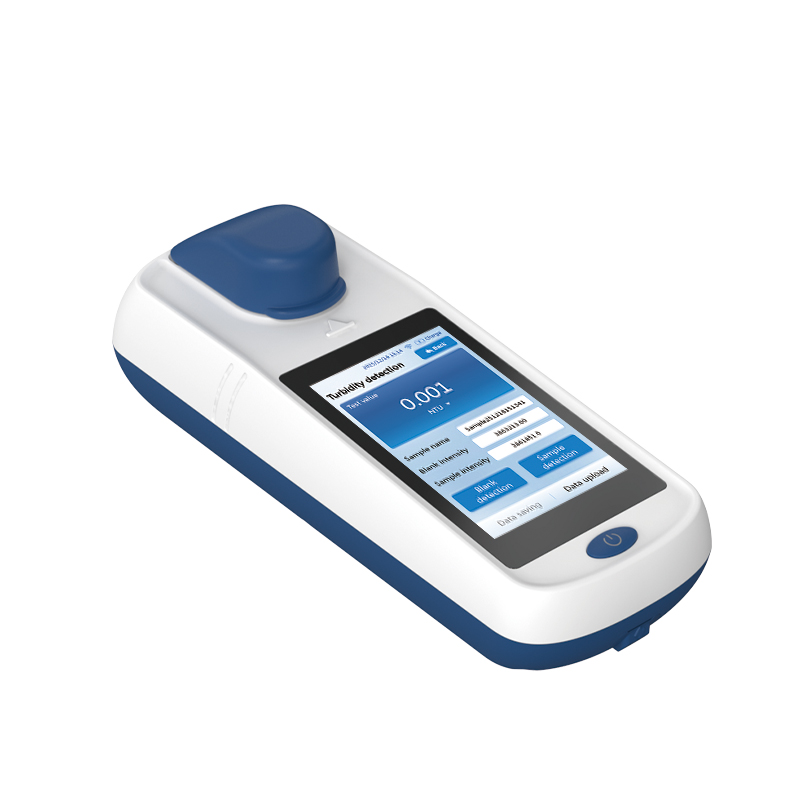
 +86 17853698681