
Product Introduction
Industrial facilities in electroplating, mining, electronics, and chemical processing face stringent heavy metals discharge regulations. Traditional compliance monitoring relies on external ICP-MS laboratories — introducing days of delay between sampling and results, during which non-compliant effluent may already have been discharged.
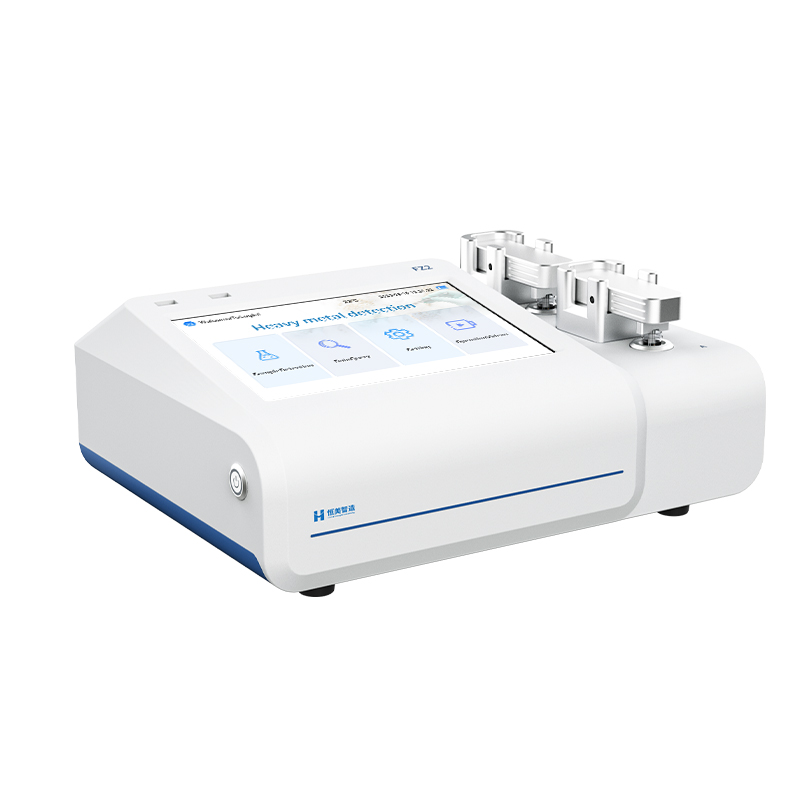
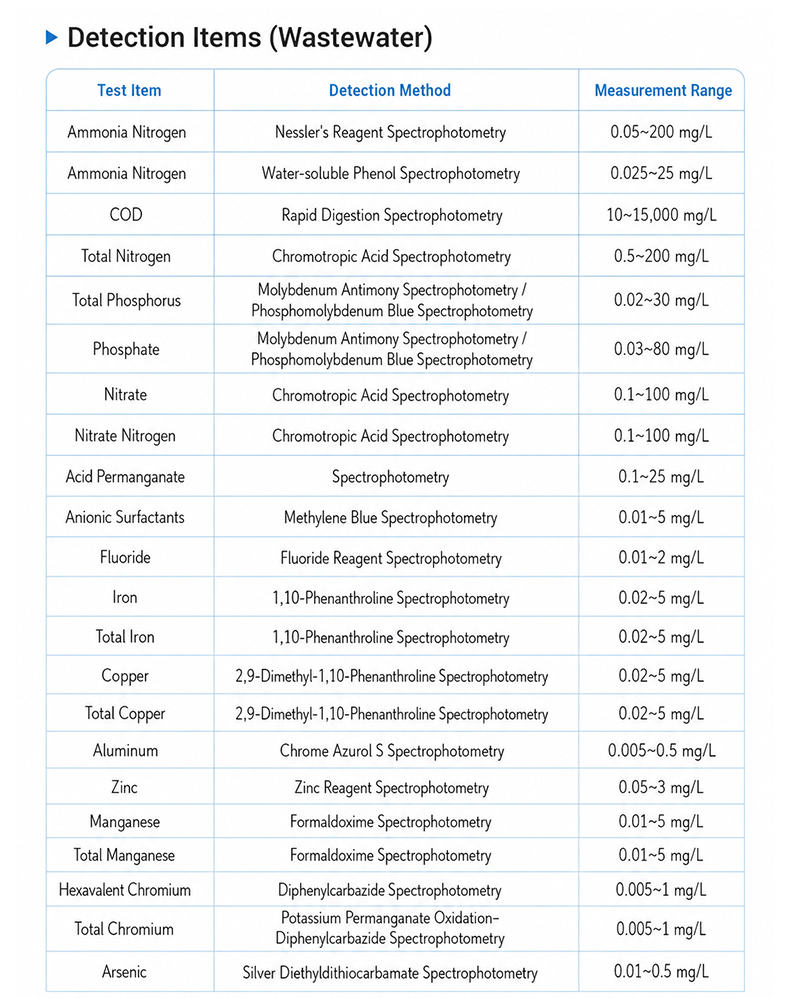
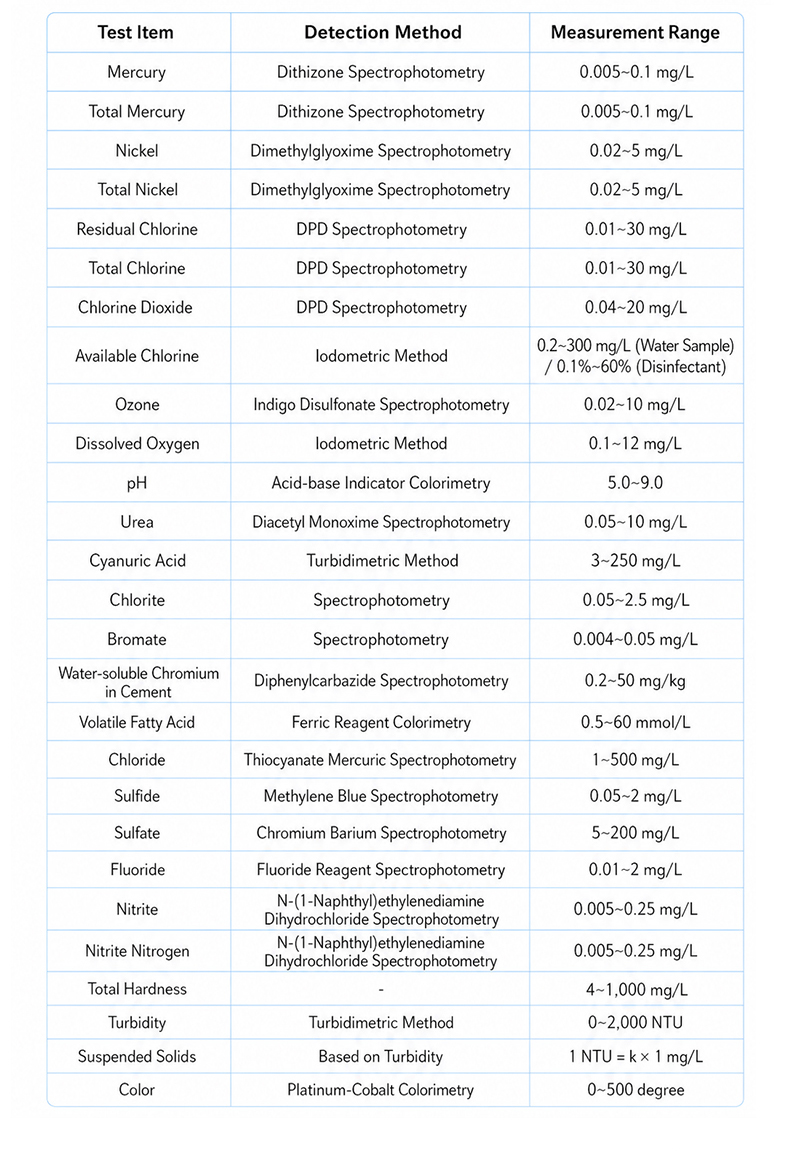
The HM-TZL, developed by HM Instruments, brings heavy metals analytical capability directly to the industrial site. Purpose-built for metallic contaminant detection, the analyzer covers 25 heavy metal elements using standardized spectrophotometric methods recognized by environmental authorities. Unlike general-purpose analyzers, the HM-TZL dedicates its entire platform to metallic elements — optimizing reagent protocols and calibration curves for metal analysis.
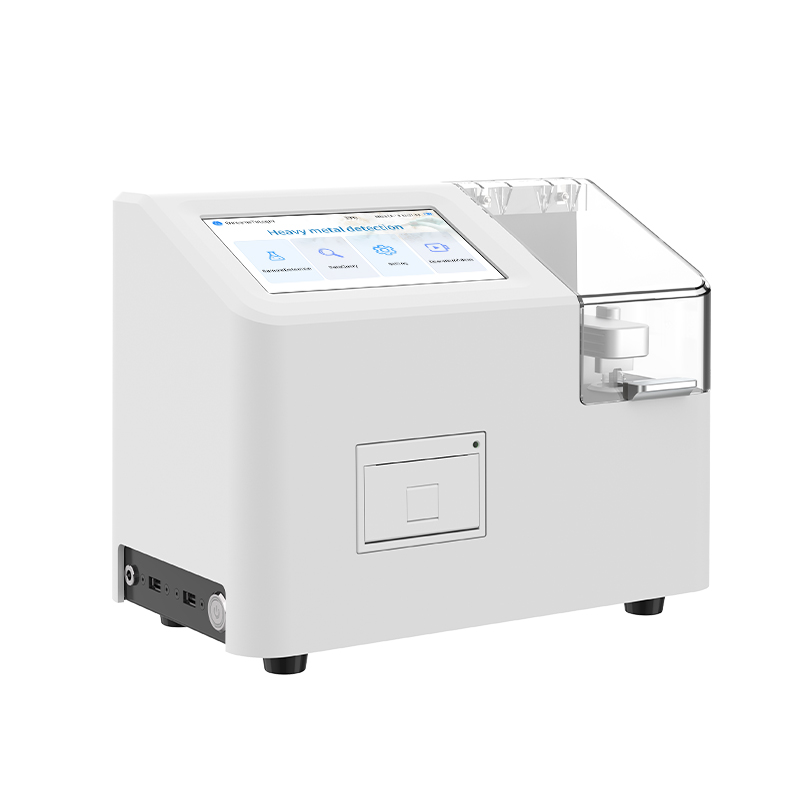
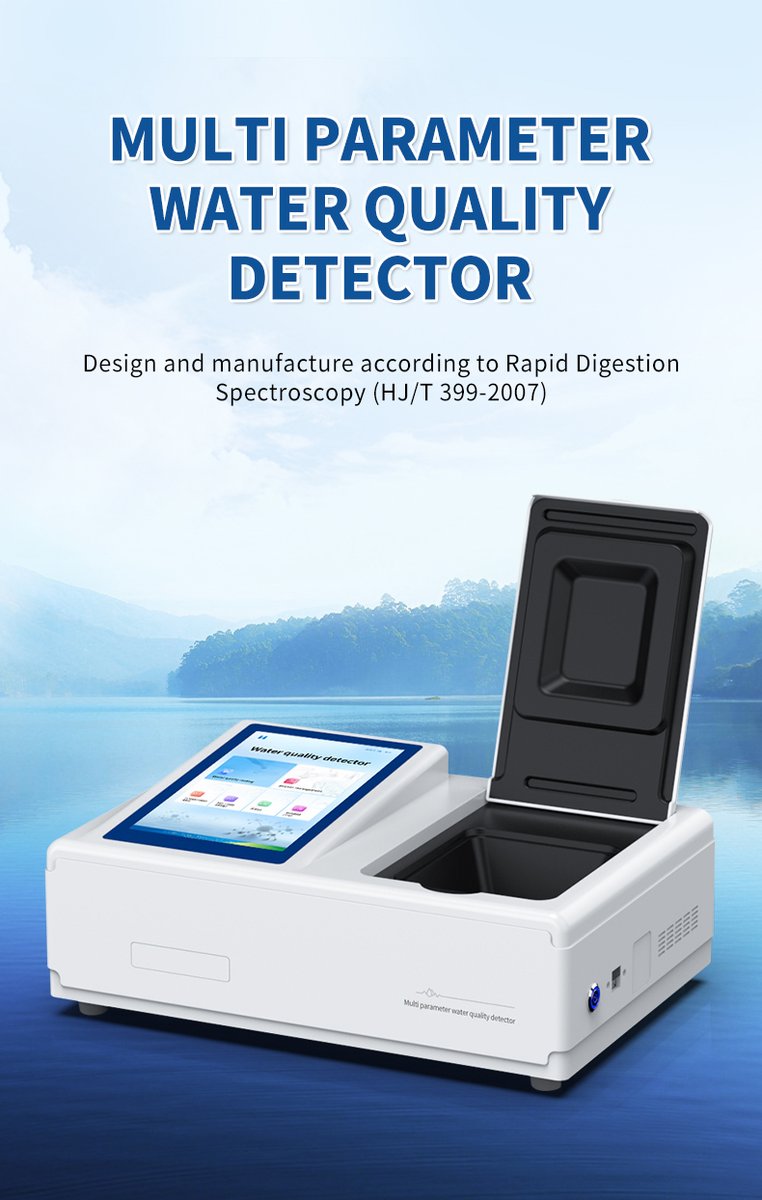
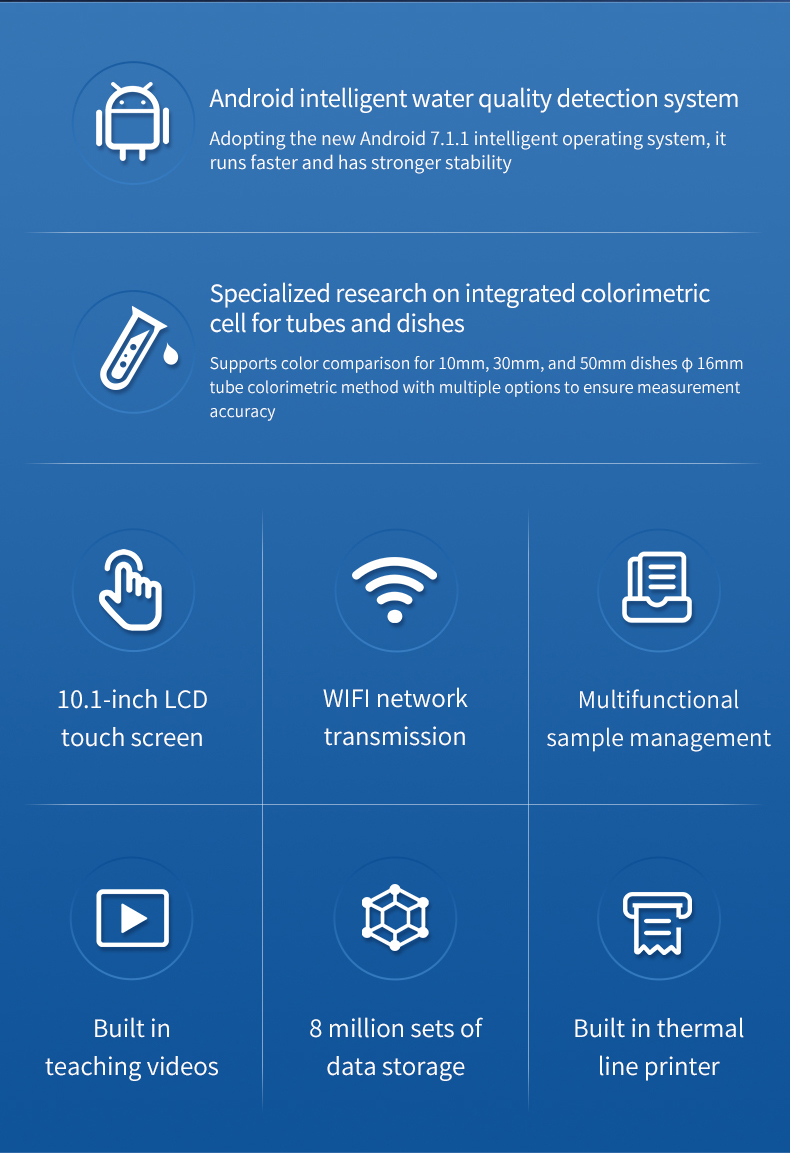
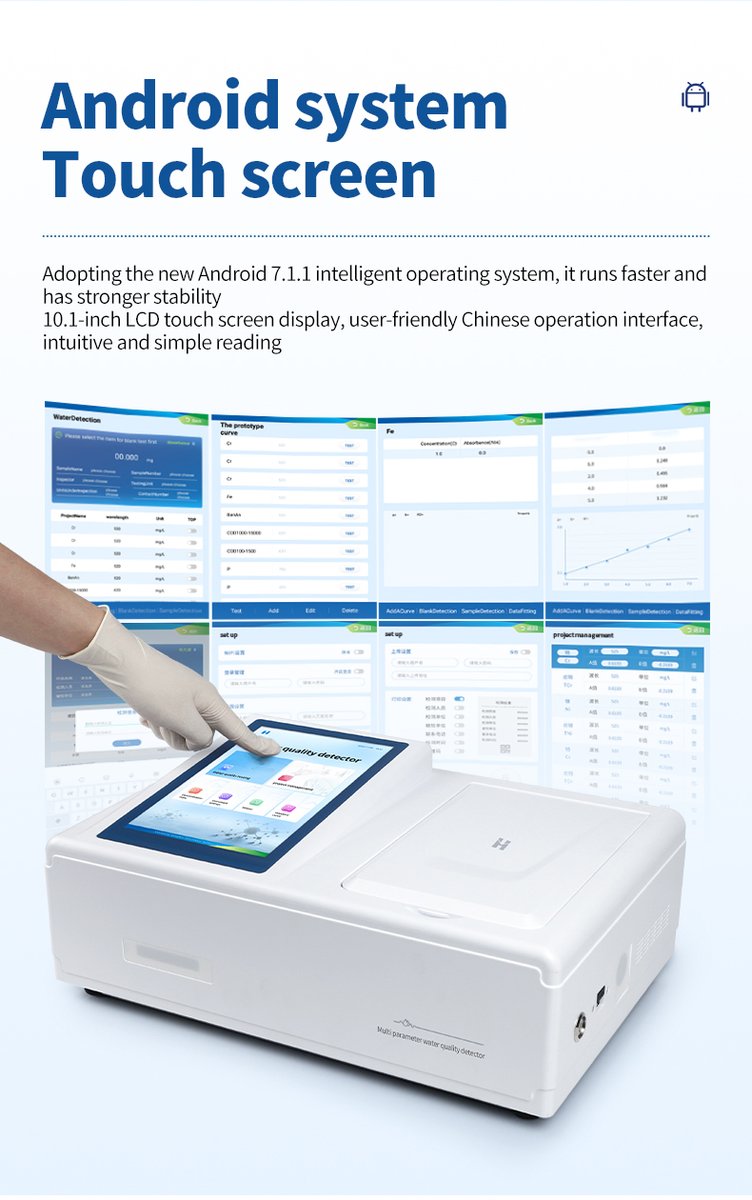
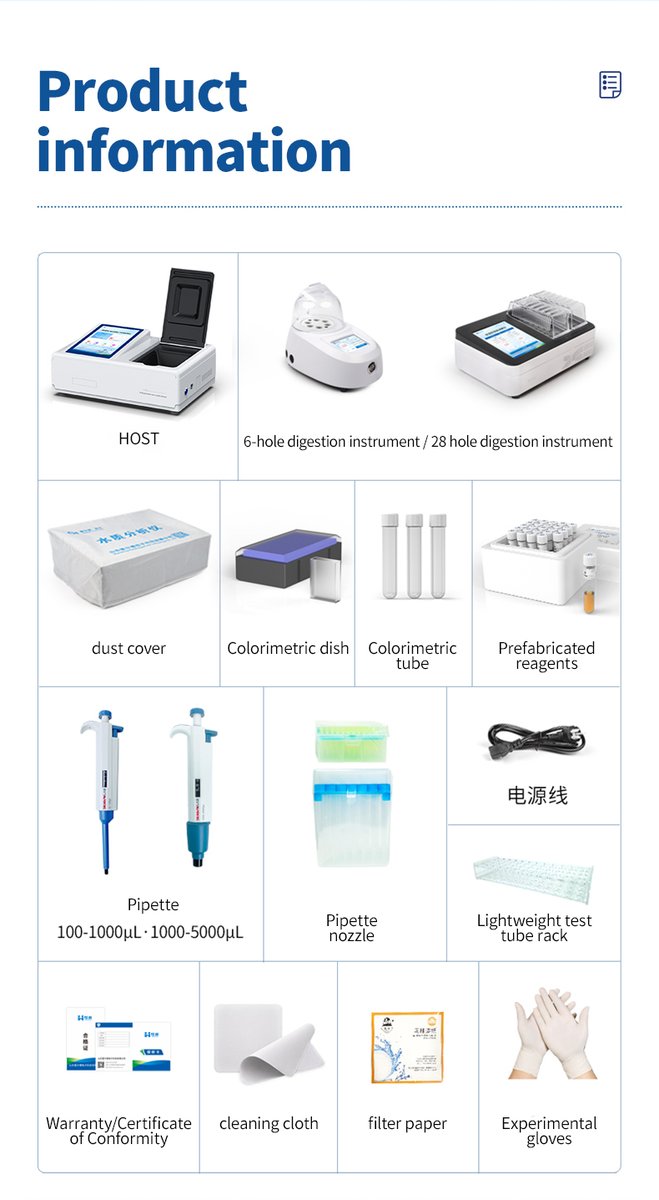
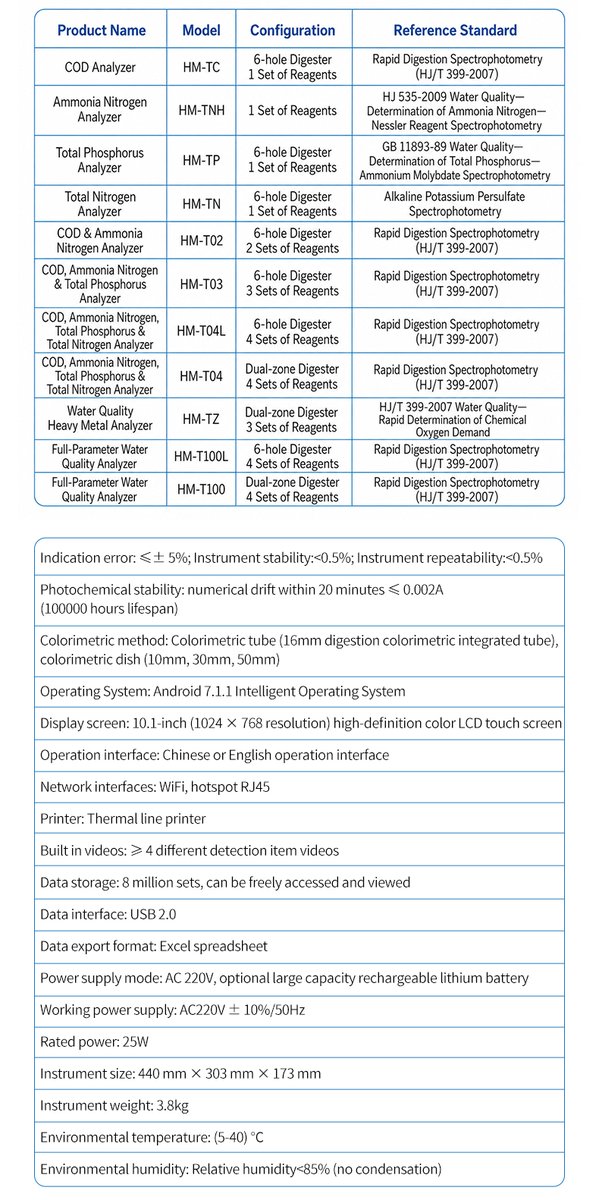
The instrument operates on an Android 7.1.1 smart system with a 10.1-inch HD touchscreen, enabling technicians to select from 25 heavy metal parameters with a few taps. The precision colorimetric cell ensures measurement consistency, while the bundled 6-hole digestion instrument handles the acid digestion step required for total metal determination. With WiFi and cloud connectivity, compliance data flows directly to regulatory platforms, and the built-in thermal printer generates on-site documentation with QR traceability.
For facilities currently outsourcing heavy metals testing, the HM-TZL offers a compelling return on investment: eliminating per-sample laboratory fees, reducing turnaround from weeks to hours, and enabling real-time process adjustments based on immediate analytical results rather than delayed external reports.
Applications
- Electroplating and Metal Finishing: Routine monitoring of hexavalent chromium, nickel, zinc, and copper in plating rinse water and wastewater before discharge
- Mining and Ore Processing: Heavy metals screening in acid mine drainage, tailings pond effluent, and process water recirculation systems
- Electronics and Semiconductor Manufacturing: Trace metals analysis in ultra-pure process water and wastewater containing solder metals and etching chemicals
- Battery Production and Recycling: Lead, cadmium, nickel, and cobalt monitoring in manufacturing wastewater and recycling facility effluent
- Chemical Manufacturing: Catalyst metals and process additive metals tracking in production wastewater streams
- Municipal Wastewater Treatment: Industrial influent heavy metals screening to protect biological treatment processes from metal toxicity
- Environmental Remediation Projects: Groundwater and soil leachate heavy metals monitoring during site cleanup operations
- Drinking Water Source Protection: Periodic heavy metals screening of raw water sources for early contamination detection
Key Features and Advantages
- 25-element heavy metals coverage eliminates the need to outsource routine monitoring to external ICP-MS laboratories
- Standardized spectrophotometric methods (diphenylcarbazide, dithizone, silver diethylthiocarbamate, etc.) produce results accepted by environmental regulators
- On-site analysis reduces compliance monitoring turnaround from weeks to hours, enabling real-time process adjustments
- Android 7.1.1 smart system with 10.1-inch HD touchscreen minimizes training requirements for industrial operators
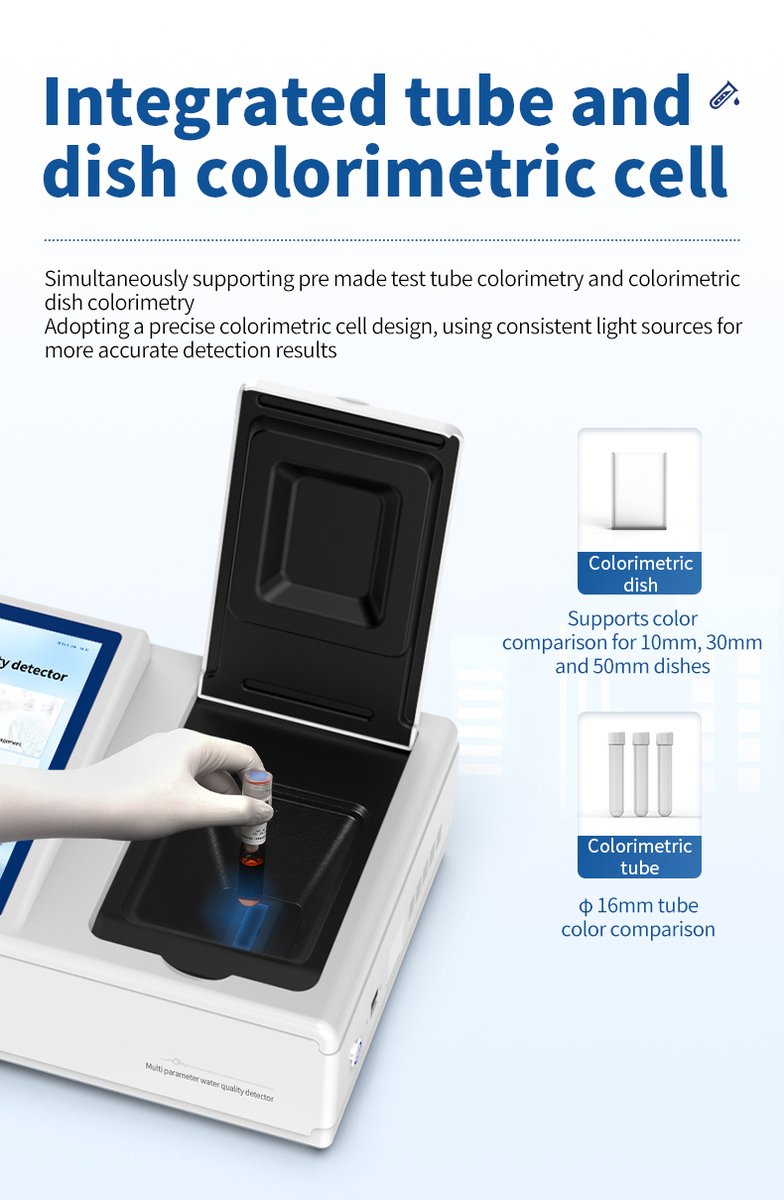
- Precision colorimetric cell with consistent light source maintains accuracy across all 25 heavy metal parameters
- Dual colorimetric modes — tubes for digestion-based total metals and cuvettes for dissolved metals — cover both regulatory and process monitoring needs
- 6-hole digestion instrument with PID temperature control supports acid digestion protocols for total metal determination
- Cloud connectivity (WiFi/RJ45/Bluetooth) enables automated compliance data transmission to environmental supervision platforms
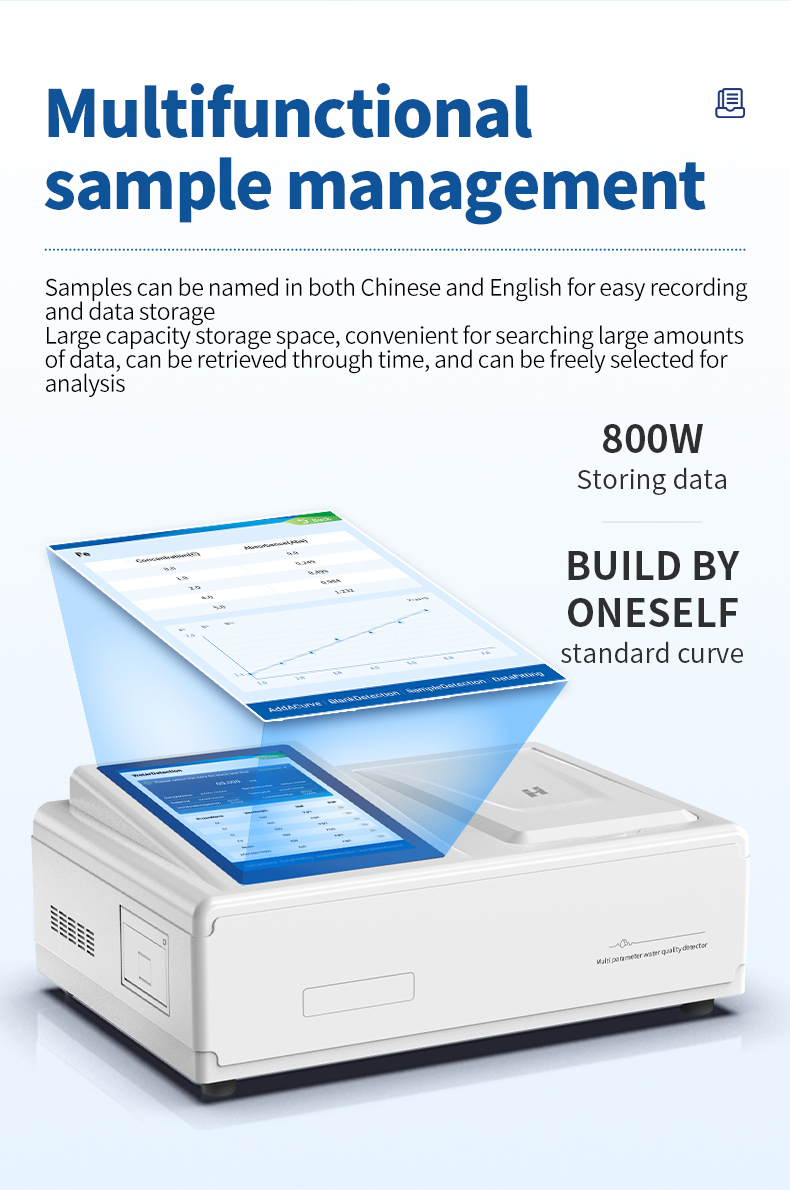
- 8 million data set storage with time-based search supports multi-year compliance audit documentation
- Thermal printer generates on-site compliance certificates with QR traceability codes for regulatory inspectors
- Bilingual Chinese/English sample naming accommodates multinational industrial operations
- Optional lithium battery enables mobile deployment for environmental site assessments and remote facility inspections
- Significant cost reduction compared to per-sample ICP-MS outsourcing for high-frequency monitoring programs
- Firmware upgrade path ensures compatibility with evolving discharge standards and new heavy metal parameters
Technical Specifications
| Specification | Value |
|---|
| Model | HM-TZL |
| Detection Focus | Heavy Metals (25 elements) |
| Hexavalent Chromium | 0.005–1 mg/L (Diphenylcarbazide) |
| Total Chromium | 0.005–1 mg/L (KMnO₄-Diphenylcarbazide) |
| Mercury / Total Mercury | 0.005–0.1 mg/L (Dithizone) |
| Arsenic | 0.01–0.5 mg/L (Silver Diethylthiocarbamate) |
| Copper / Total Copper | 0.02–5 mg/L (2,9-Dimethyl-1,10-Phenanthroline) |
| Zinc | 0.05–3 mg/L (Zinc Reagent) |
| Iron / Total Iron | 0.02–5 mg/L (1,10-Phenanthroline) |
| Nickel / Total Nickel | 0.02–5 mg/L (Dimethylglyoxime) |
| Manganese / Total Manganese | 0.01–5 mg/L (Formaldoxime) |
| Indication Error | ≤ ±5% |
| Stability | < 0.5% |
| Repeatability | < 0.5% |
| Photochemical Stability | ≤ 0.002A / 20 min (100,000-hour source) |
| Display | 10.1-inch HD color LCD touchscreen |
| Operating System | Android 7.1.1 |
| Colorimetric Modes | Tubes + Cuvettes |
| Connectivity | USB 2.0, WiFi, Bluetooth, Hotspot, RJ45 |
| Data Storage | 8 million sets |
| Digestion Unit | 6-hole, PID control, RT–200°C |
| Power | AC 220V ±10% / 50Hz, 20W (optional battery) |
| Size | 444 × 303 × 173 mm |
| Weight | 5.2 kg (excl. adapter and battery) |
| Operating Conditions | 5–40°C, < 85% RH (no condensation) |
FAQ
Q1: Can the HM-TZL replace ICP-MS for regulatory compliance testing?
The HM-TZL uses standardized spectrophotometric methods that are recognized by environmental regulatory authorities for routine compliance monitoring. For most heavy metals parameters, the detection limits (e.g., 0.005 mg/L for Cr⁶⁺, 0.005 mg/L for Hg) meet the requirements of typical industrial discharge permits. However, ICP-MS remains the reference method for certain ultra-trace applications where detection limits in the parts-per-billion range are required. Many facilities use the HM-TZL for daily screening and process monitoring, reserving ICP-MS analysis for periodic verification and disputed results.
Q2: How does the cost of HM-TZL testing compare to outsourcing to an external lab?
External lab testing typically costs $50–$200 per sample. With the HM-TZL, per-test cost is mainly reagent consumption at $1–$5 per parameter. A facility testing 5 parameters daily across 3 samples can recover the instrument investment within 2–3 months. Additional savings come from eliminating sample shipping and the operational risk of delayed results.
Q3: What sample preparation is required for heavy metals testing?
Sample preparation depends on whether dissolved metals or total metals are being measured. For dissolved metals, samples typically require only filtration and reagent addition. For total metals (which is the regulatory requirement for most discharge permits), acid digestion is necessary to break down suspended particles and organometallic complexes. The bundled 6-hole digestion instrument handles this step — samples are mixed with acid reagents, placed in digestion tubes, and heated to the programmed temperature. The PID-controlled digestion unit reaches target temperature within 10 minutes and automatically times the digestion cycle.
Q4: Can the HM-TZL detect both hexavalent and total chromium separately?
Yes. The HM-TZL supports both hexavalent chromium (Cr⁶⁺) and total chromium as separate test parameters. Hexavalent chromium is measured directly using the diphenylcarbazide spectrophotometric method without digestion. Total chromium requires an oxidation step using potassium permanganate to convert all chromium species to Cr⁶⁺ before measurement. The difference between total chromium and hexavalent chromium represents the trivalent chromium (Cr³⁺) content. This dual-parameter capability is important for facilities where chromium speciation affects compliance status.
Q5: How does the analyzer handle samples with high turbidity or color interference?
High turbidity and sample color can interfere with measurements. The acid digestion step for total metals removes much of the organic color and turbidity. For dissolved metals, samples can be filtered before analysis. The precision colorimetric cell provides better signal-to-noise ratio than portable colorimeters. For extreme interference, the blank correction function compensates for background absorbance.
Article address:https://www.hmwatertesting.cn/qtjc1/industrial-heavy-metals-wastewater-analyzer.html

 Current
location:
Current
location: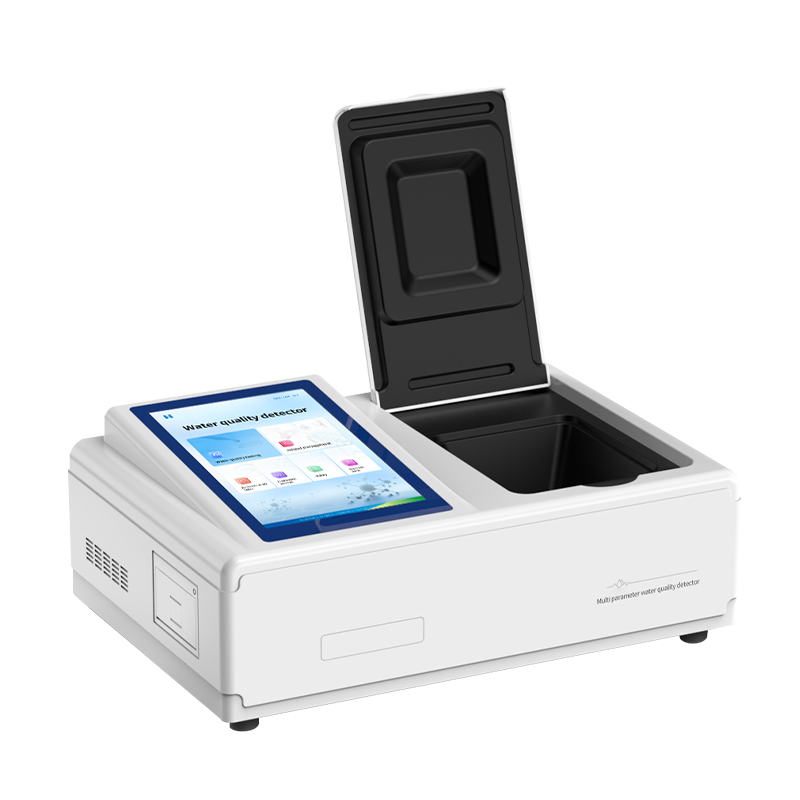
 +86 17853698681