


Product Introduction
Research into aquatic toxicology, environmental chemistry, and water treatment process optimization increasingly requires temporal toxicity profiling — understanding not just whether a sample is toxic, but how toxicity develops, peaks, and recovers over time. Standard endpoint measurements at 15 minutes capture only a single snapshot from a dynamic biological process, missing critical kinetic information about contaminant bioavailability, mixture interactions, and detoxification pathways.
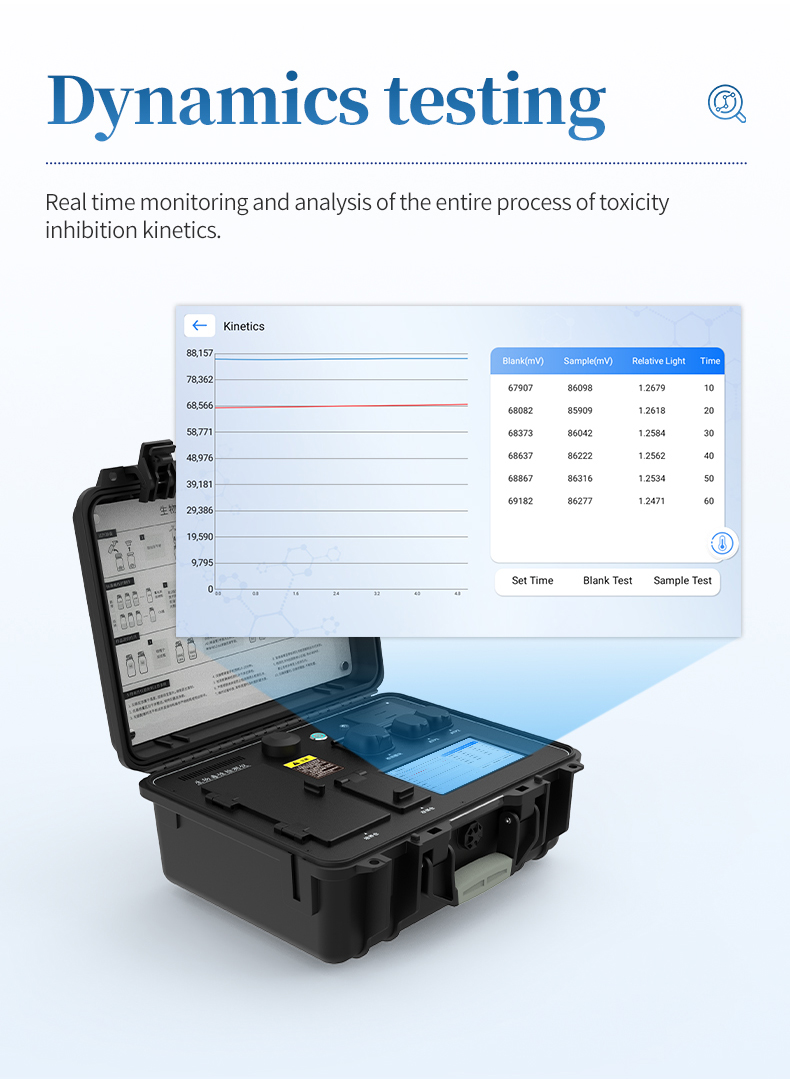
The HM-BDXP addresses this analytical gap through its kinetic curve analysis function: automated multi-time-point luminescence measurement that generates complete toxicity onset, plateau, and recovery profiles. This capability — previously available only through imported research-grade instruments costing $50,000-$80,000 — is now accessible at $9,800, opening kinetic toxicity research to institutions previously excluded by budget constraints.
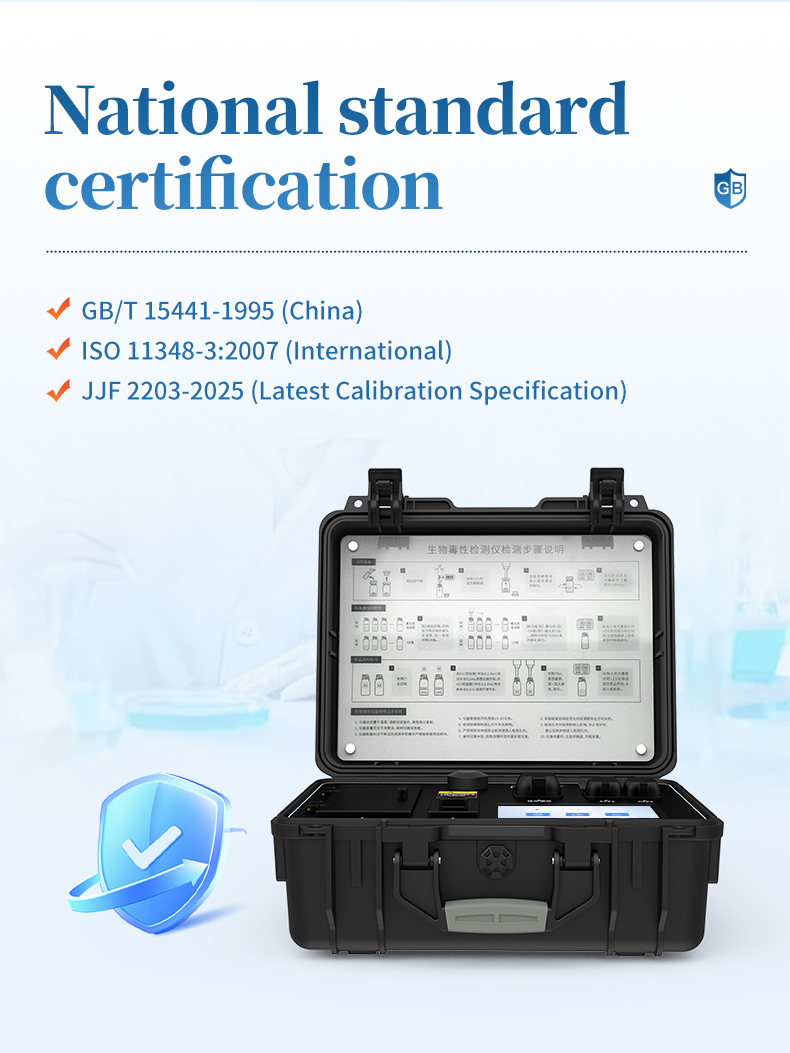
Beyond kinetic analysis, the HM-BDXP serves as a reference-grade analytical platform for metrological services. Full compliance with JJF2203-2025 (Calibration Specification for Biological Toxicity Detection Instruments) enables certified laboratories to provide verification services for lower-tier instruments, establish measurement traceability chains, and participate in inter-laboratory comparison programs with legally defensible data quality.
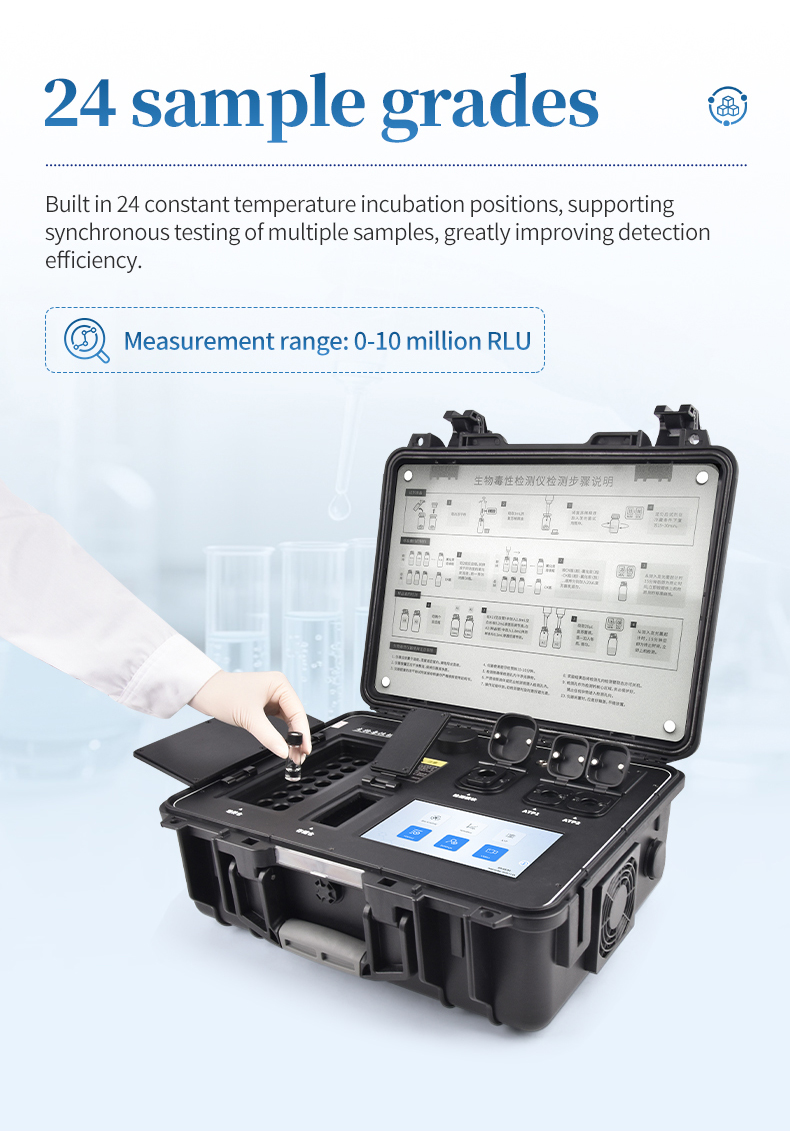
The 24-position automatic incubation carousel transforms workflow economics: where a single-sample instrument requires 24 sequential 15-minute measurement cycles (6 hours total) to process 24 samples, the HM-BDXP completes the same batch in a single 15-minute incubation cycle — a 24× throughput improvement that fundamentally changes what is operationally feasible in research and monitoring programs.
Applications
Toxicity kinetics research: Multi-time-point contaminant interaction studies investigating synergistic, antagonistic, and additive toxicity effects in environmental water matrices
Treatment technology development: Quantifying toxicity reduction kinetics through novel treatment processes (advanced oxidation, membrane bioreactors, constructed wetlands)
Metrological reference services: Providing JJF2203-2025 calibration verification for lower-tier field and portable instruments across jurisdictional monitoring networks
Regulatory method development: Establishing official biological toxicity test methods for new contaminant categories (microplastics, PFAS, antibiotic resistance genes)
Inter-laboratory comparison programs: Serving as reference instrument in proficiency testing schemes with traceable measurement uncertainty
Pharmaceutical ecotoxicology: Environmental risk assessment of new drug candidates during development pipeline stages
High-throughput environmental surveys: Batch processing 24 simultaneous samples enables spatial mapping studies previously infeasible with sequential instruments
Forensic environmental evidence: Producing legally defensible toxicity data meeting chain-of-custody and metrological traceability requirements
Key Features & Advantages
Kinetic toxicity curve analysis: automated multi-time-point luminescence measurement generates complete temporal toxicity profiles unavailable from standard endpoint instruments
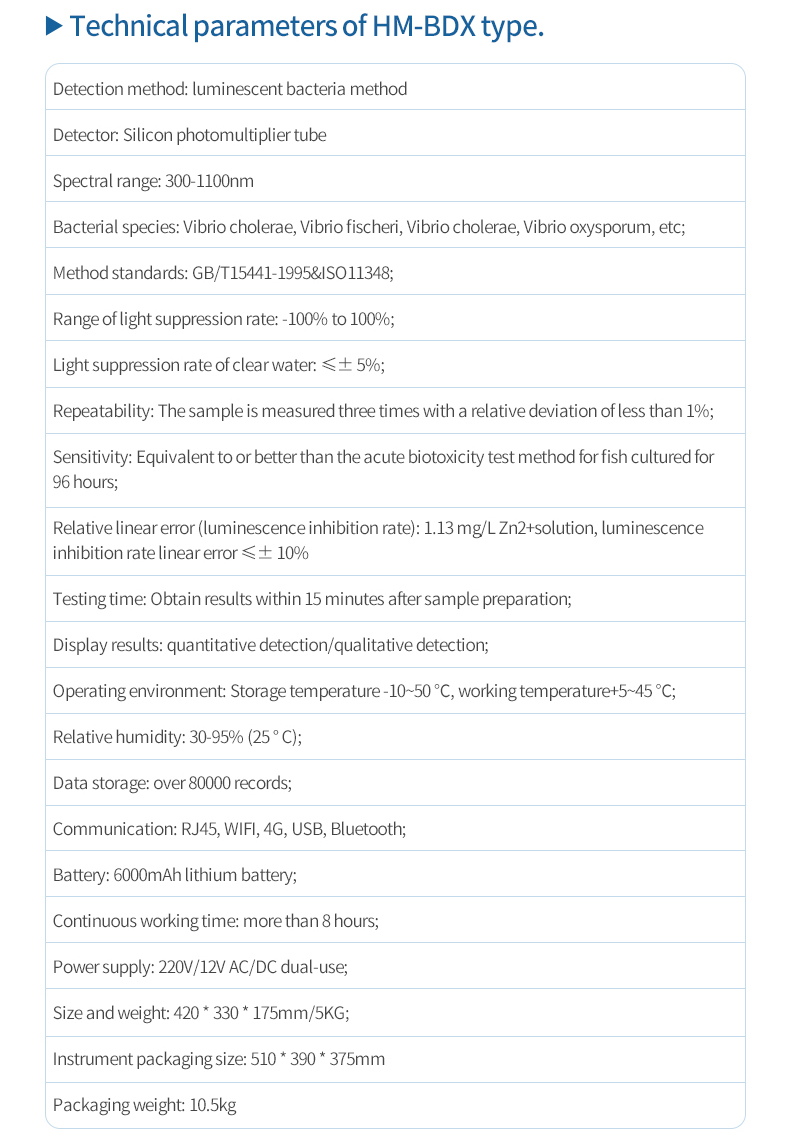
24-position automatic incubation carousel with individual position temperature monitoring (±0.5°C) enables parallel batch processing of entire sample sets
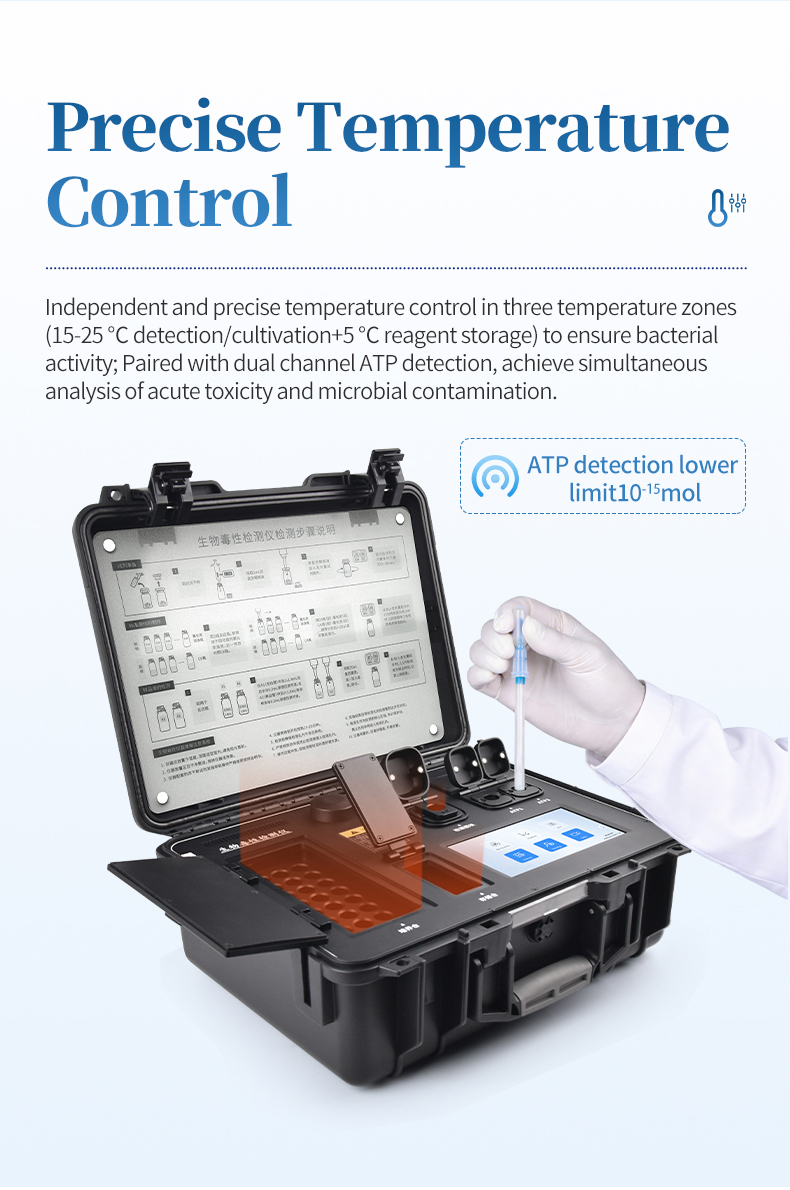
Integrated 5°C cold storage compartment maintains freeze-dried bacteria viability during extended experimental sessions without external refrigeration
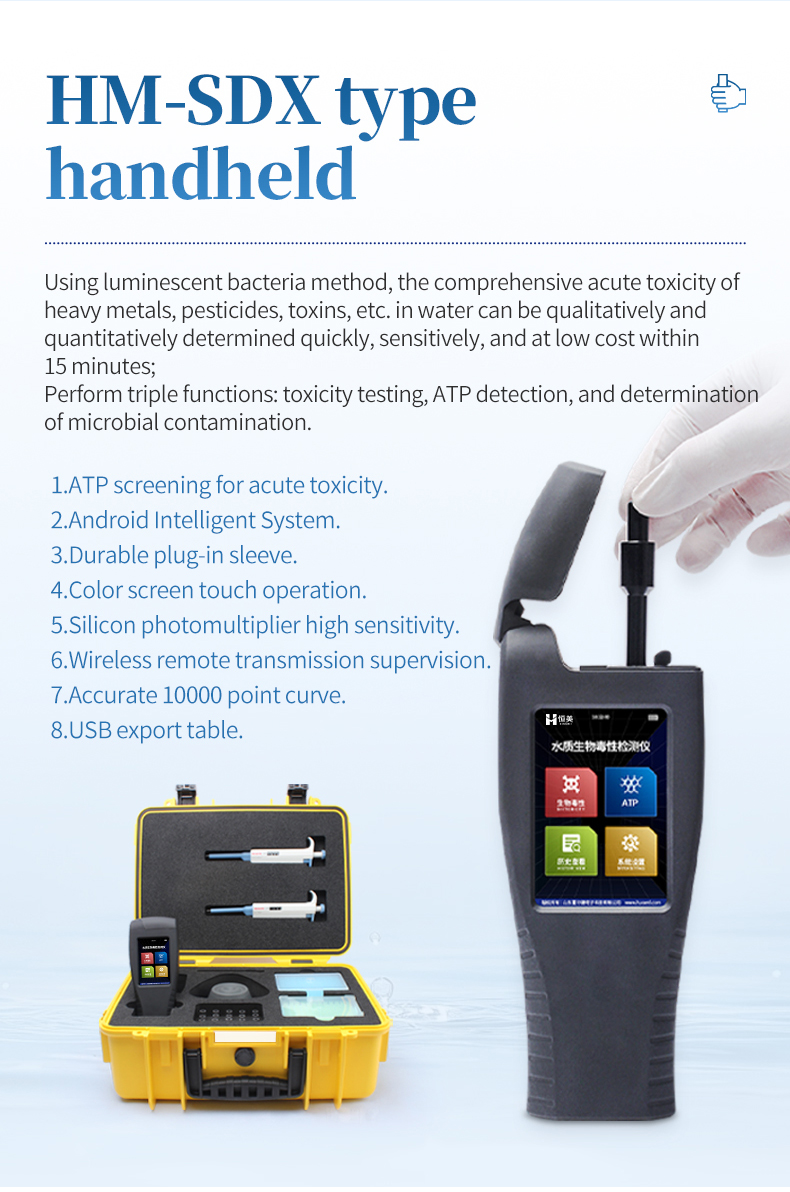
Dual-channel ATP detection with 10⁻¹⁵ mol sensitivity provides independent bacterial viability verification — critical quality control for publication-grade data
Full JJF2203-2025 metrological verification compliance enables legal-grade measurement traceability and participation in official calibration programs
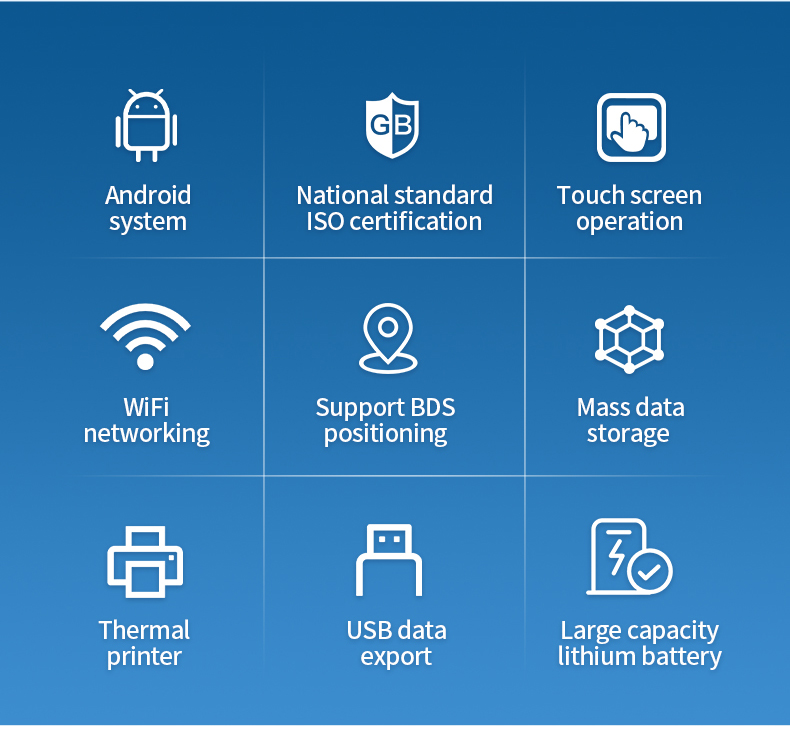
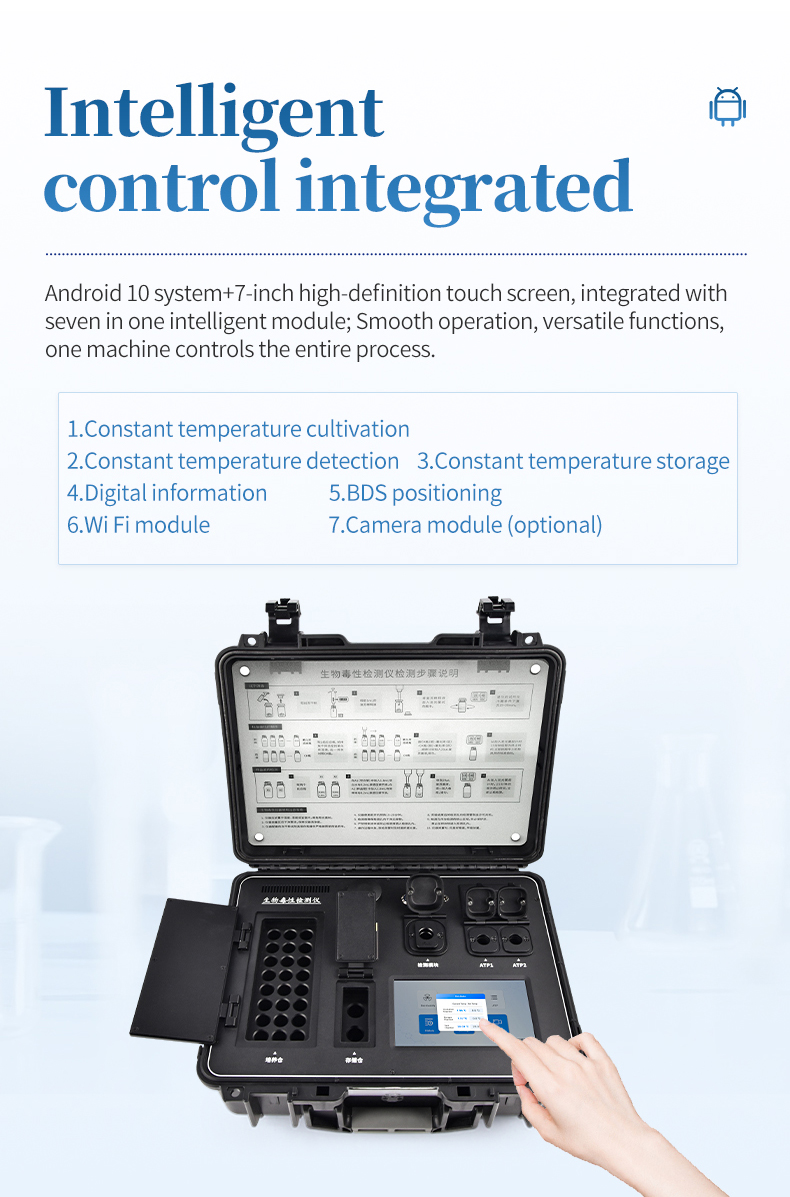
Android 10 operating system enables custom experimental protocol programming, automated sequence design, and third-party application integration
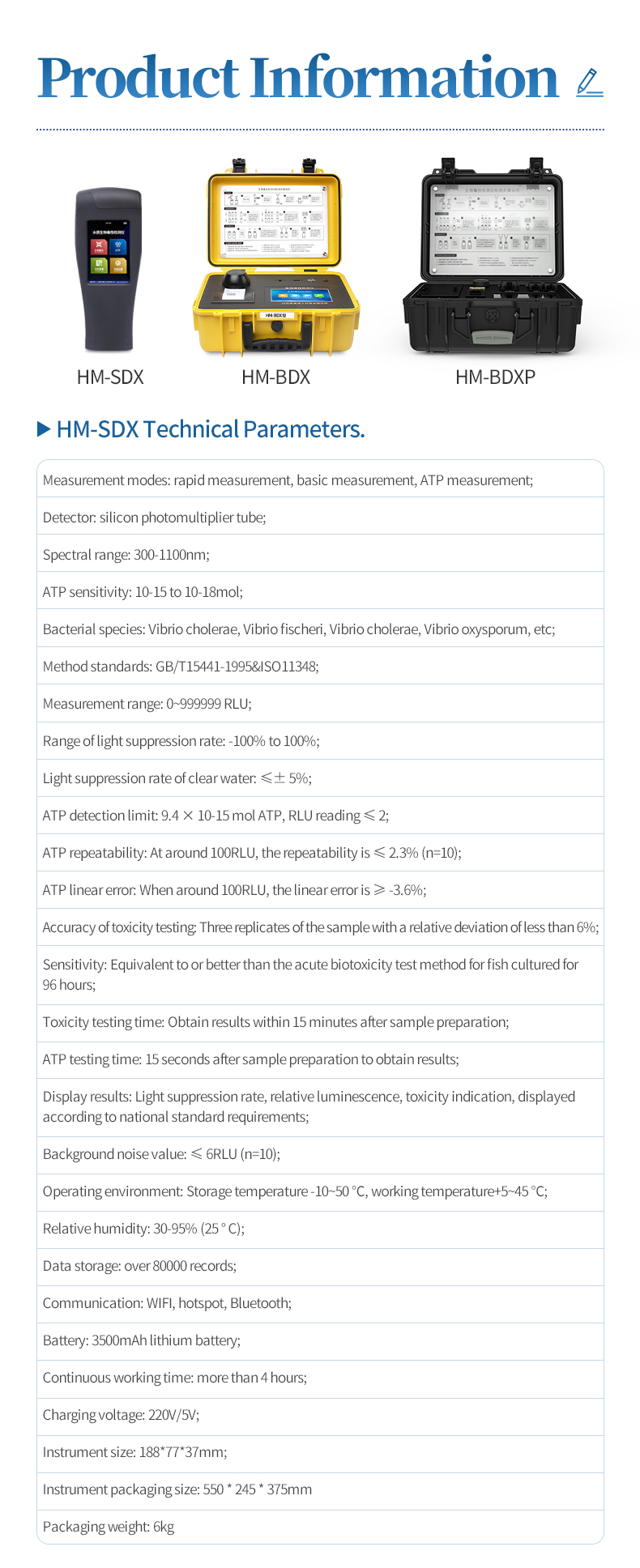
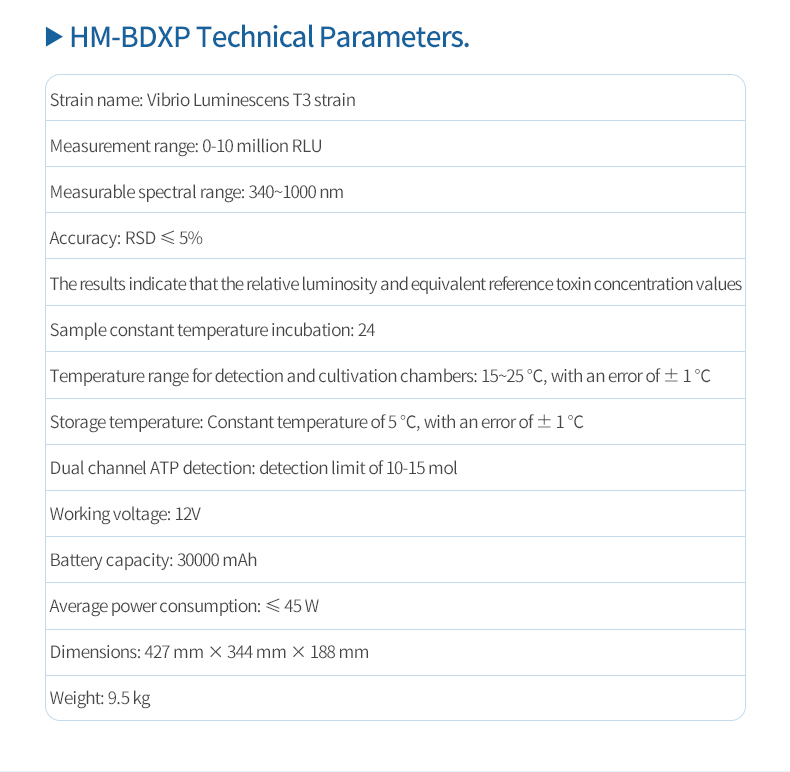
30000mAh battery capacity supports 12+ hours of operation under full thermal management load (incubation + cold storage simultaneously)
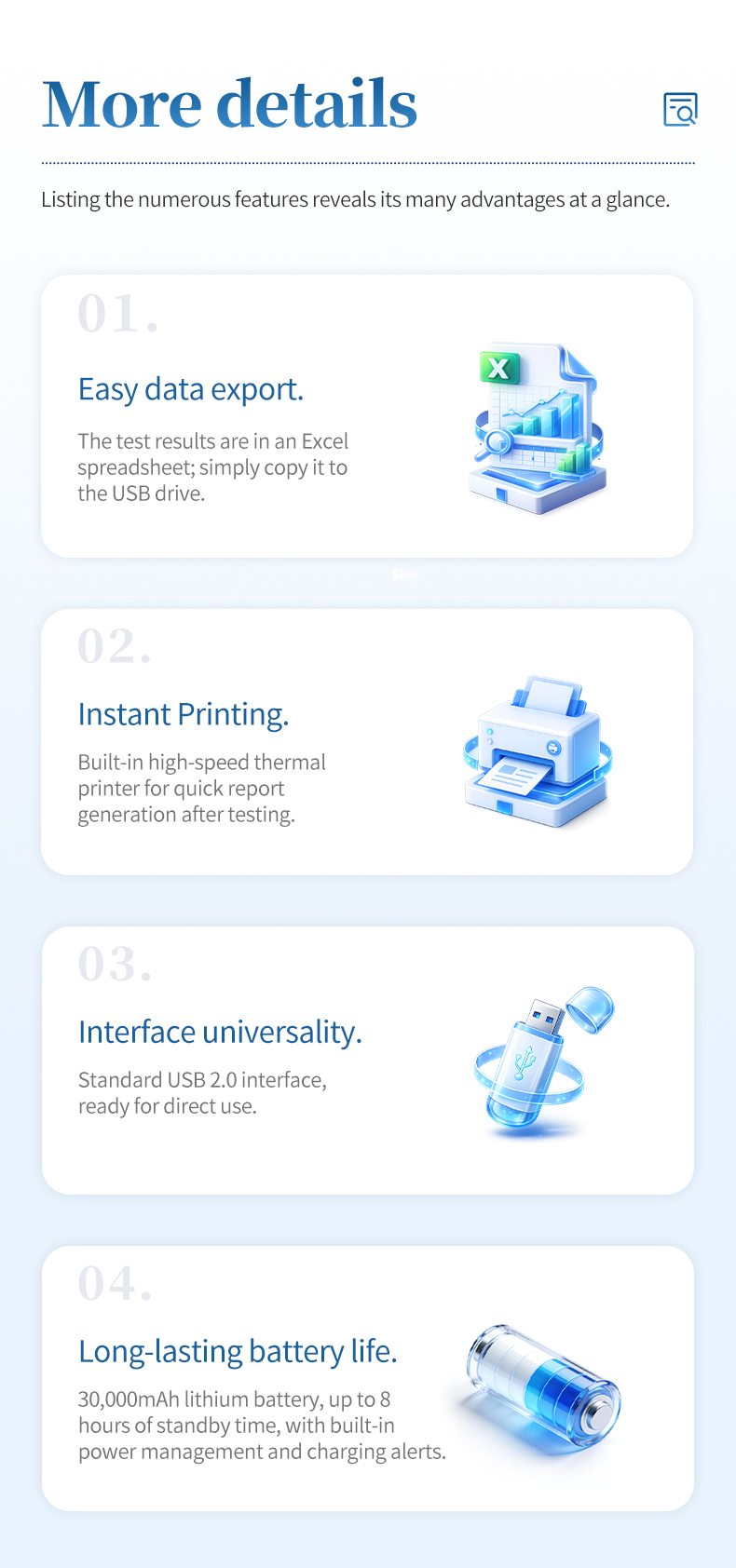
50,000 measurement record database with comprehensive metadata, automated statistical analysis, and certificate-format report generation
Publication-grade reproducibility: CV <5% across triplicate measurements validated through independent laboratory comparison studies
Multi-connectivity architecture (4G/WiFi/Ethernet/USB/Bluetooth) supports any laboratory information management workflow
7-inch HD touchscreen with multi-window display: simultaneous view of kinetic curves, sample status, temperature monitoring, and data management
Automated complete workflow: dark calibration → reagent check → incubation → kinetic measurement → curve fitting → report generation — unattended operation
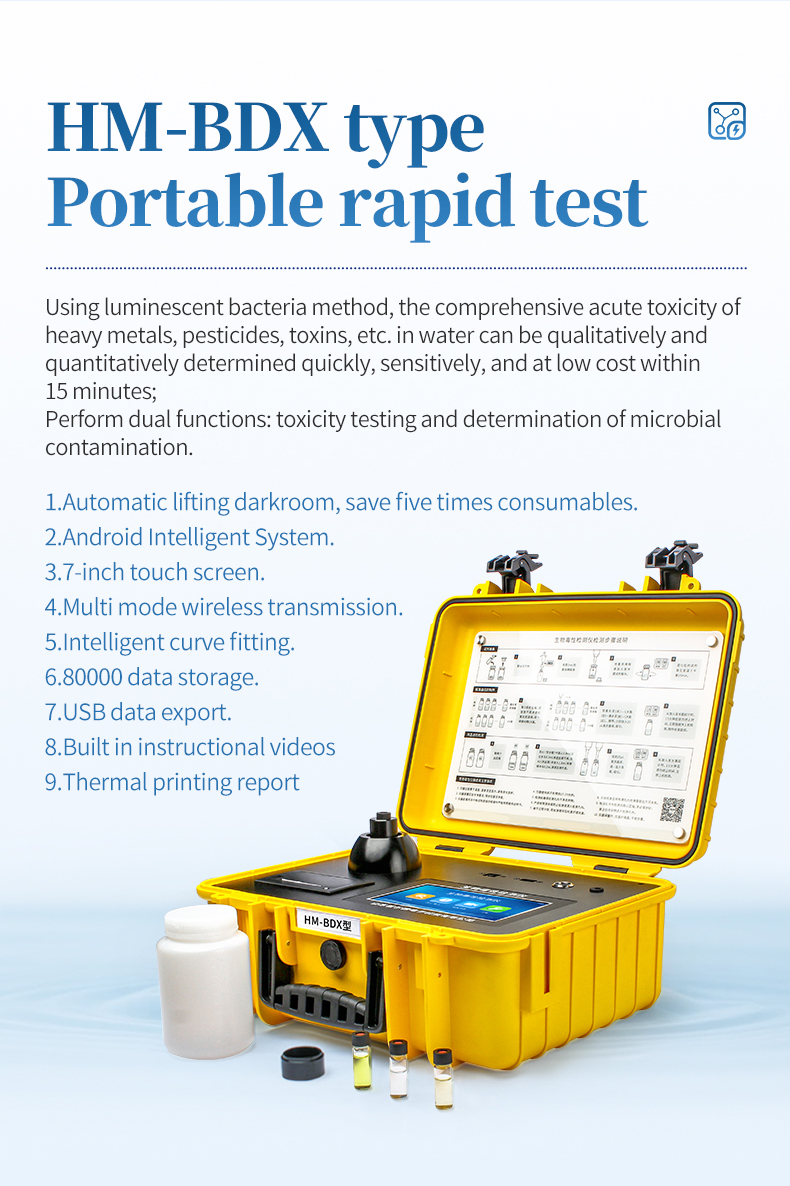
Portable design maintained (427×344×188mm) enabling deployment in field research stations and temporary laboratory configurations
Triple-standard compliance (GB/T15441-1995, ISO 11348-3, JJF2203-2025) satisfies domestic, international, and metrological requirements simultaneously
Cost-accessible research capability: $9,800 vs $50,000-$80,000 for comparable imported kinetic analysis systems
Service infrastructure: 280 nationwide centers with specialized research-grade calibration and technical support capabilities
Technical Specifications
| Parameter | Specification |
|---|
| Detection Principle | Vibrio fischeri bioluminescence inhibition |
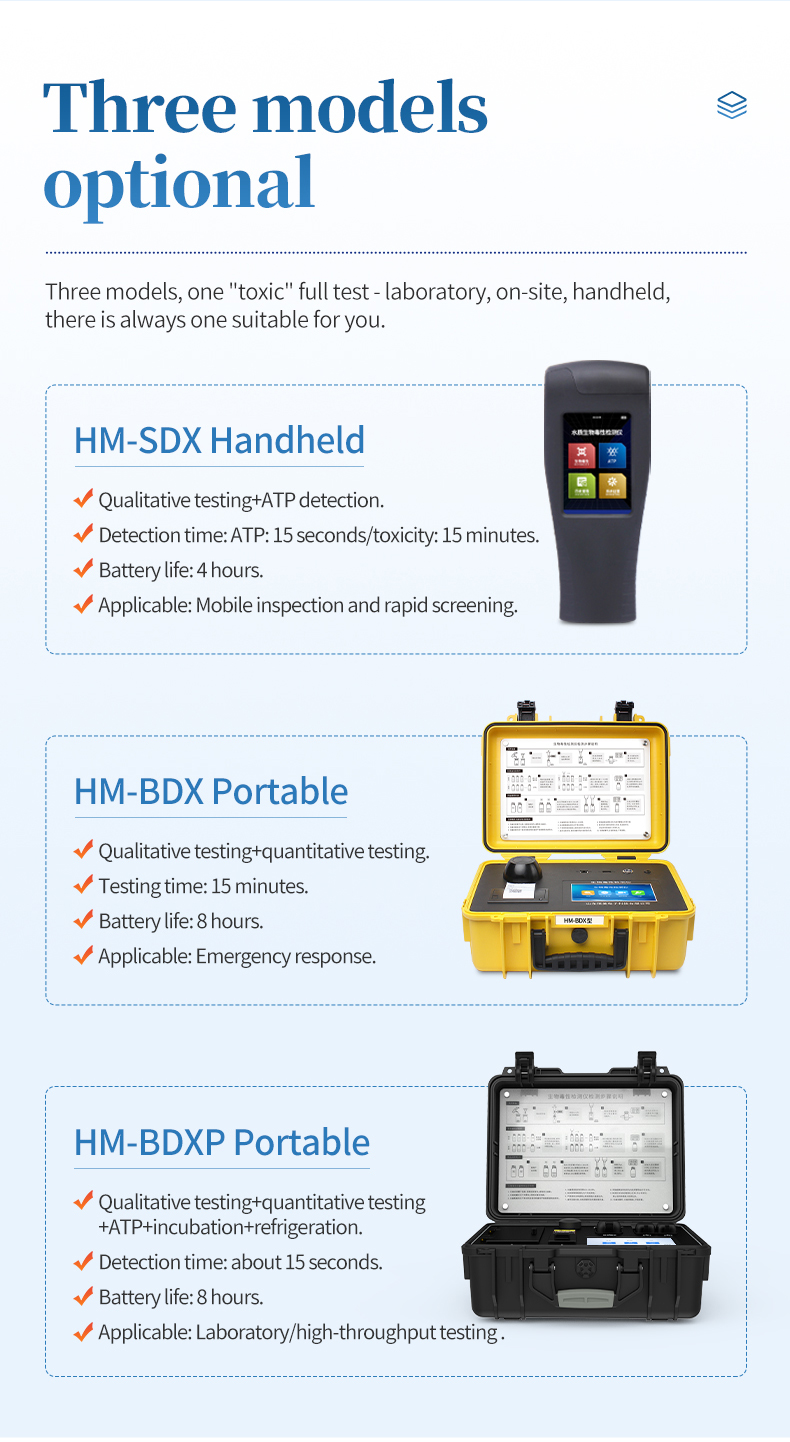
| Measurement Modes | Qualitative + Quantitative + Kinetic curve + ATP dual-channel |
| Kinetic Analysis | Programmable multi-time-point with automated dose-response curve fitting |
| Sample Capacity | 24-position automatic incubation carousel |
| Incubation Temperature | 15±0.5°C per position (individually monitored) |
| Position Uniformity | ≤±1.0°C across all 24 positions |
| Cold Storage | 5°C ± 2°C integrated compartment |
| ATP Detection | Dual-channel, sensitivity 10⁻¹⁵ mol |
| Display | 7-inch HD capacitive touchscreen (multi-window) |
| Operating System | Android 10 (custom protocol programming) |
| Battery | 30000mAh Li-ion (12+ hours full thermal load) |
| Dimensions | 427 × 344 × 188 mm |
| Data Storage | 50,000 records with full metadata |
| Connectivity | 4G / WiFi / RJ45 / USB / Bluetooth |
| Measurement Reproducibility | CV <5% (triplicate) |
| Metrological Compliance | JJF2203-2025 verification-ready |
| Standards | GB/T15441-1995, ISO 11348-3, JJF2203-2025 |
FAQ
Q1: What specific research capabilities does kinetic analysis provide that endpoint measurement cannot?
A: Kinetic analysis reveals temporal dynamics: (1) onset rate — how quickly toxicity manifests, indicating bioavailability; (2) peak timing — when maximum effect occurs, distinguishing fast-acting from delayed toxicants; (3) recovery pattern — whether and how quickly bacteria recover, indicating reversible vs. irreversible damage mechanisms; (4) mixture interaction profiles — synergistic effects often show distinct kinetic signatures absent from single-point measurements. These temporal dimensions are essential for mechanistic ecotoxicology research and treatment optimization.
Q2: How does the 24-position carousel maintain temperature uniformity across all samples simultaneously?
A: Each of the 24 positions sits in a precision-machined aluminum thermal block connected to a dedicated Peltier temperature management system. Individual temperature sensors at each position feed a closed-loop PID control algorithm maintaining ±0.5°C at the setpoint. Inter-position uniformity (≤±1.0°C) is verified during JJF2203-2025 metrological certification through multi-point temperature mapping with NIST-traceable reference sensors.
Q3: Can the Android 10 system run custom software for specialized experimental protocols?
A: Yes. The Android 10 operating system provides a standard development environment for custom applications. Researchers can program custom measurement sequences (non-standard time points, variable temperature profiles, conditional branching based on intermediate results), develop automated data analysis pipelines, and integrate with external equipment via USB or Bluetooth. HM Instruments provides SDK documentation and API references for custom development.
Q4: What does JJF2203-2025 metrological verification require and how often must it be performed?
A: JJF2203-2025 specifies verification of: luminescence measurement repeatability (CV ≤5%), temperature control accuracy (±0.5°C), incubation uniformity (≤±1.0°C across positions), cold storage stability, ATP detection sensitivity, EC50 accuracy against certified reference material, and timer accuracy. Verification frequency is annual for instruments producing legally regulated data. HM Instruments coordinates scheduling with accredited metrological institutions.
Q5: How does the cold storage function (5°C) benefit extended experimental runs?
A: Reconstituted luminescent bacteria have limited room-temperature viability (typically 2-4 hours). During extended experiments (kinetic studies, large batch runs, dose-response curves requiring multiple bacterial aliquots), the 5°C cold storage compartment extends usable reagent life to 6-8 hours without quality degradation. This eliminates the need for mid-experiment reagent reconstitution — a common source of inter-batch variability in traditional workflows.
Q6: What data quality is required for publication in international peer-reviewed journals and does the HM-BDXP meet those standards?
A: International journals (Environmental Science & Technology, Chemosphere, Ecotoxicology and Environmental Safety) require: traceability to recognized standards, documented measurement uncertainty, reproducibility data (typically CV <10%), and methodology referencing accepted standards. The HM-BDXP provides: JJF2203-2025 traceable calibration, automated uncertainty calculation, demonstrated CV <5%, and ISO 11348-3 method compliance. Multiple research groups have published using HM-BDXP data in peer-reviewed journals including ES&T.
Q7: What is the cost comparison between HM-BDXP and imported research-grade biological toxicity analyzers?
A: Comparable imported systems with kinetic analysis and batch processing capability range from $50,000 to $80,000 for equipment alone, plus $4,000-$8,000 annual maintenance contracts and $2,000-$4,000 proprietary reagent premiums. The HM-BDXP at $9,800 with free maintenance (warranty period), non-proprietary reagents, and free software updates delivers equivalent analytical capability at 12-20% of the imported system cost. Five-year TCO comparison: HM-BDXP approximately $14,800 vs. imported approximately $95,000-$140,000.
Article address:https://www.hmwatertesting.cn/swdx1/kinetic-toxicity-profiling-research-laboratory.html

 Current
location:
Current
location: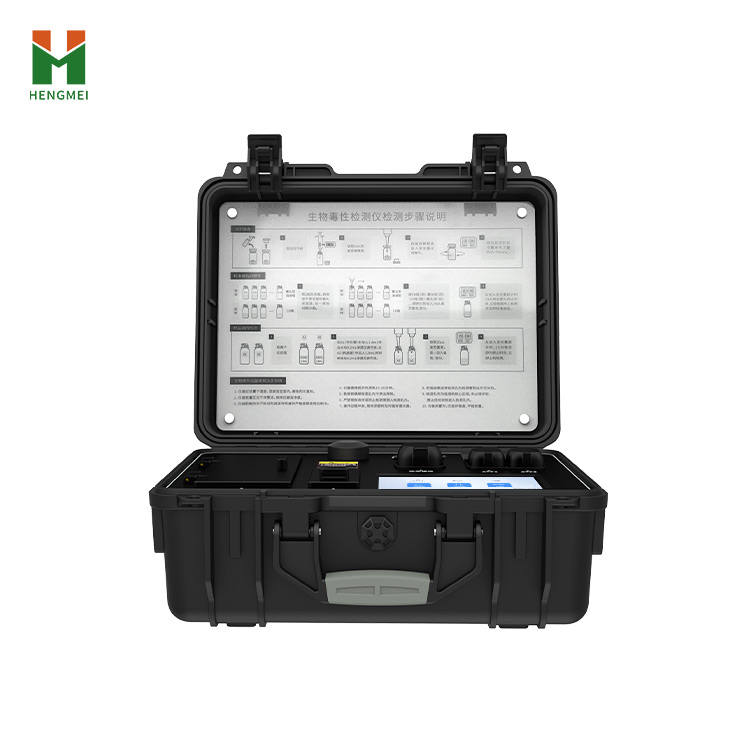
 +86 17853698681