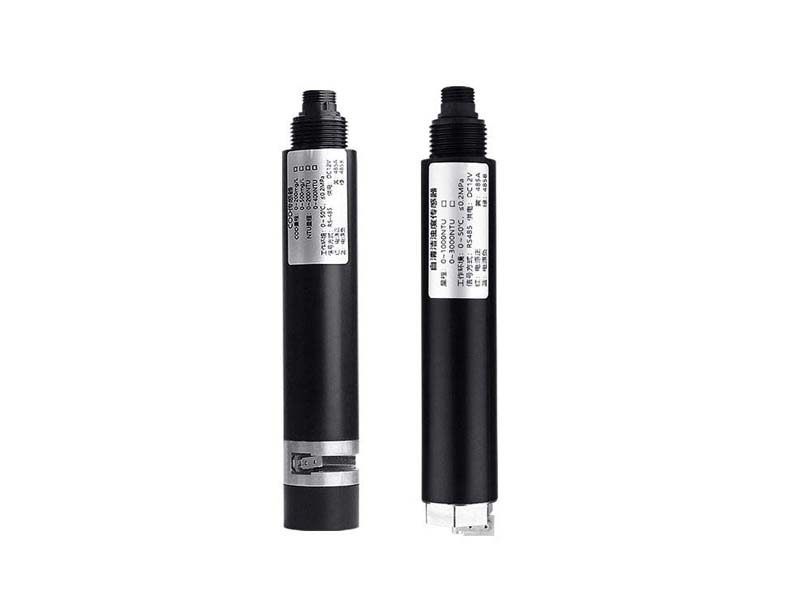
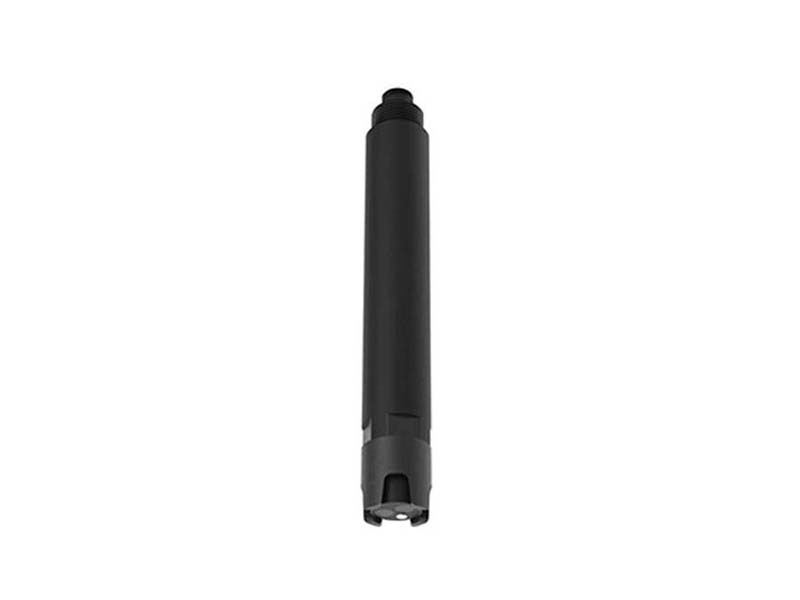
Fluorescence Based Dissolved Oxygen Sensor HM-S8
【Introduction】Fluorescence lifetime method, range: 0-20mg/L

 Current
location:HOME>PRODUCT>Other related tests>Online water quality sensor>Fluorescence Based Dissolved Oxygen Sensor
Current
location:HOME>PRODUCT>Other related tests>Online water quality sensor>Fluorescence Based Dissolved Oxygen Sensor
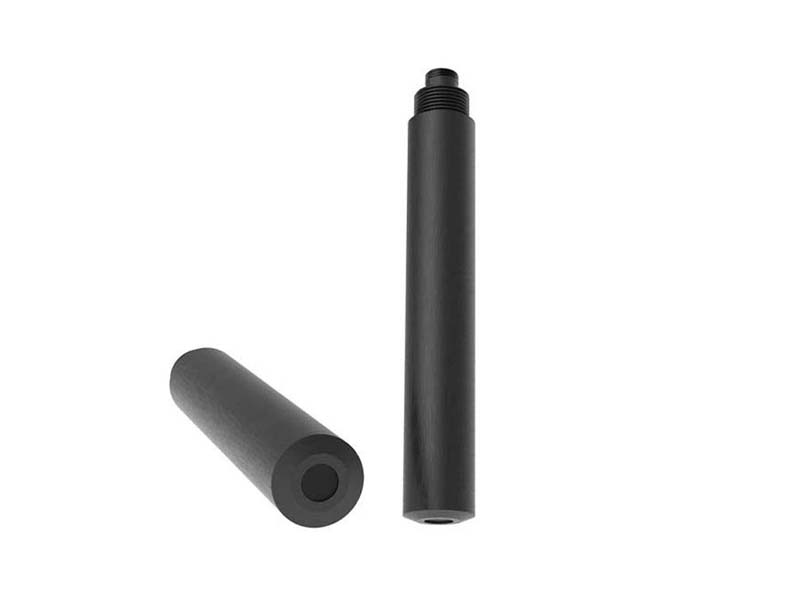
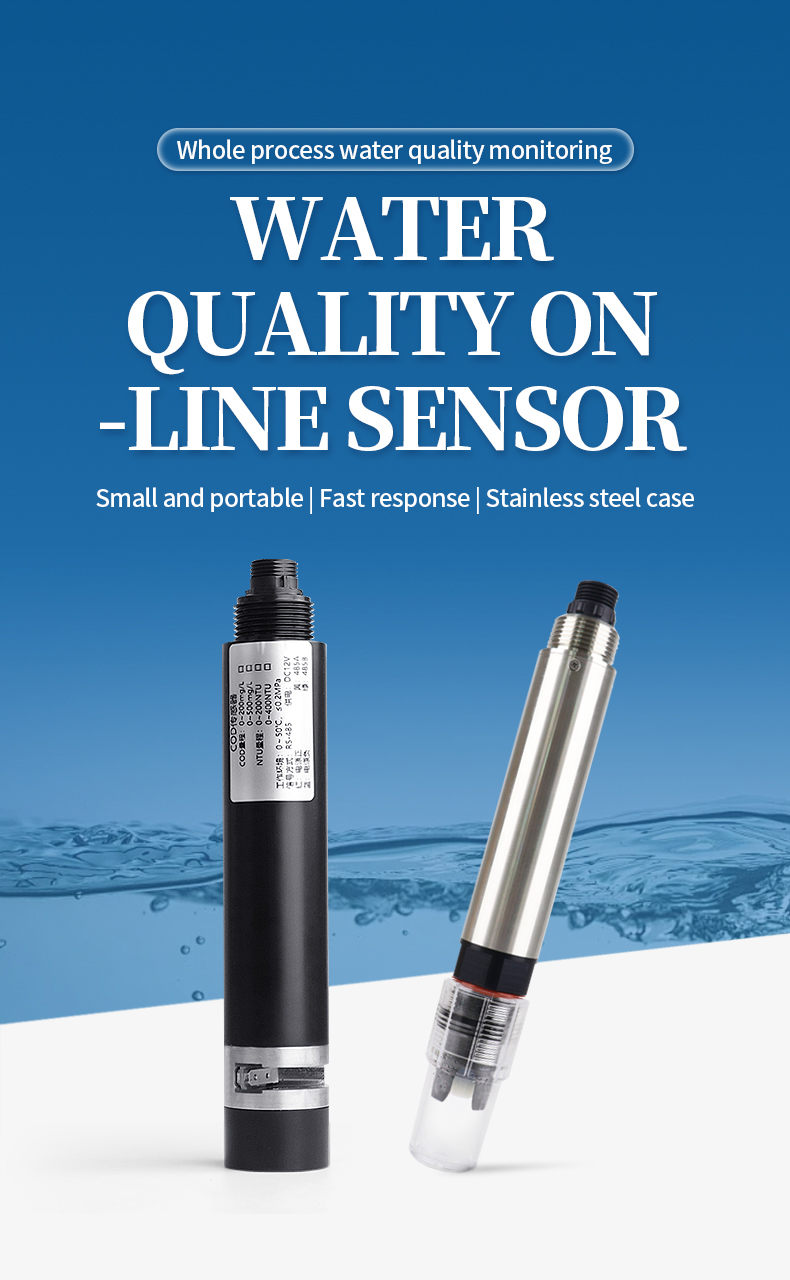
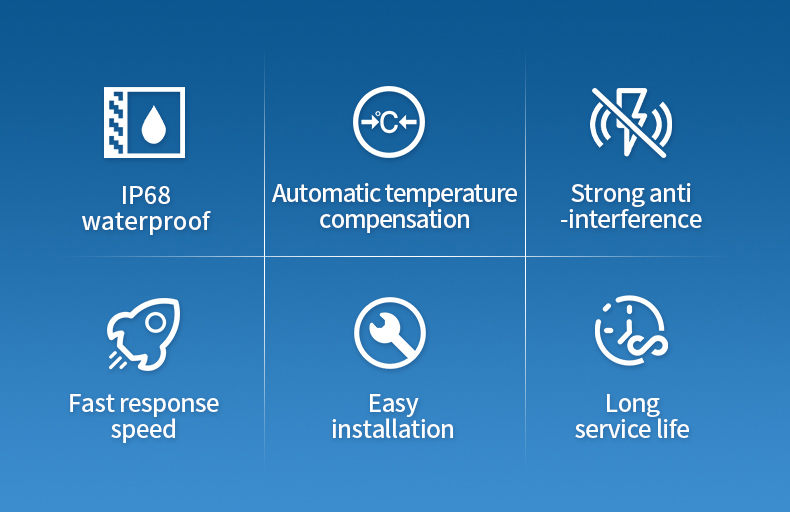

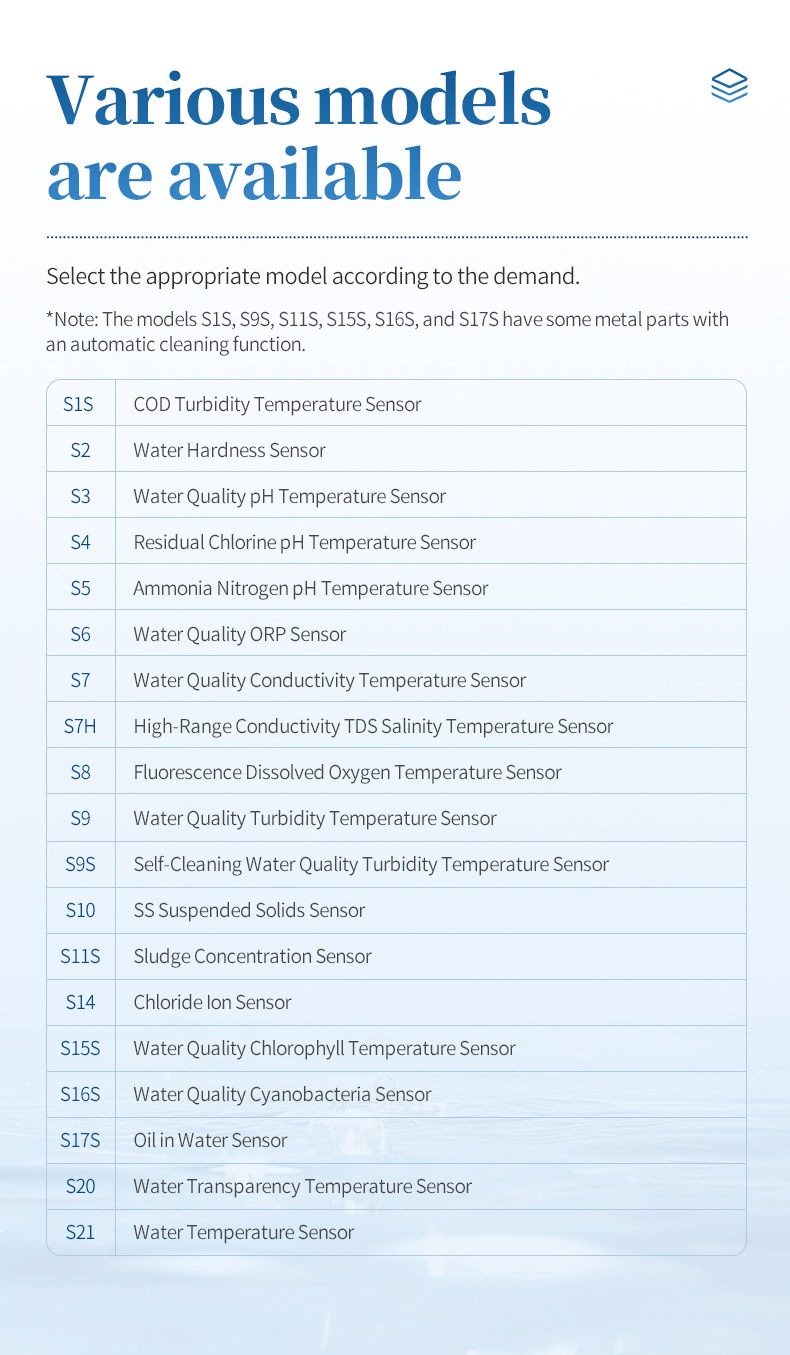
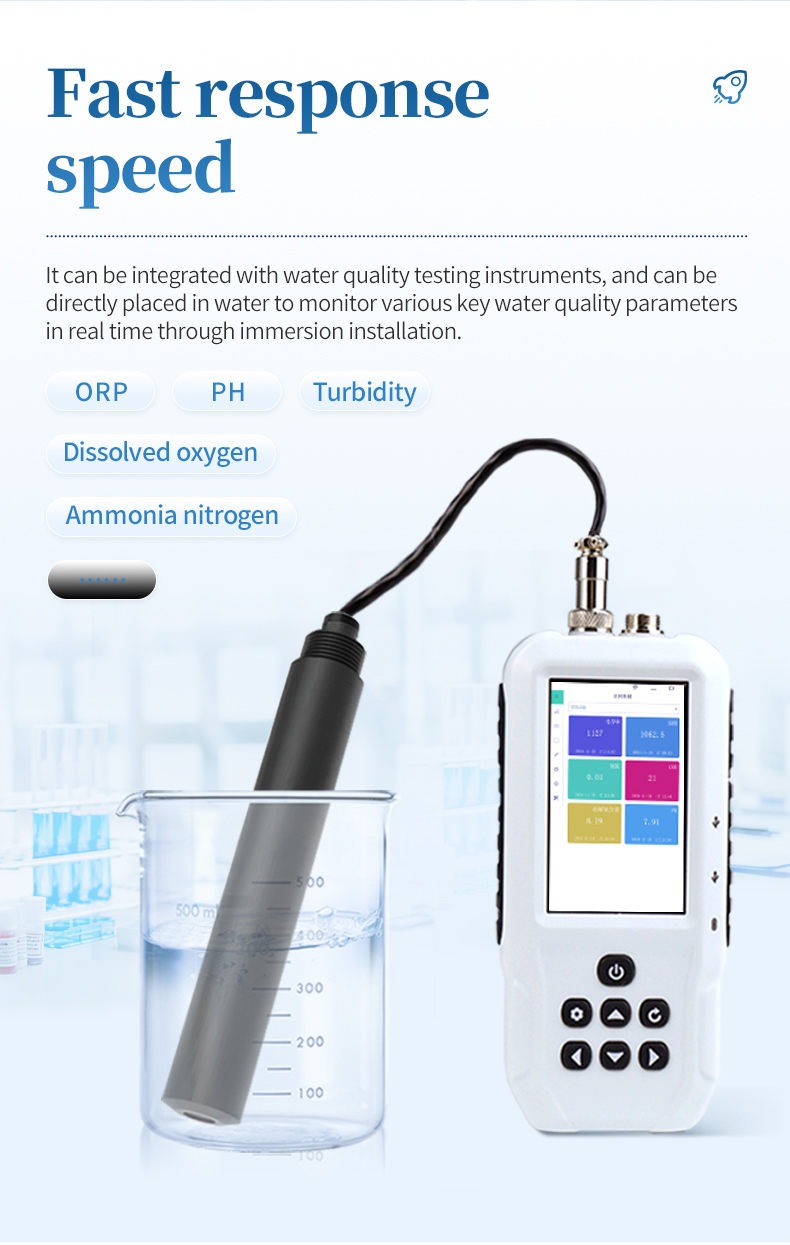
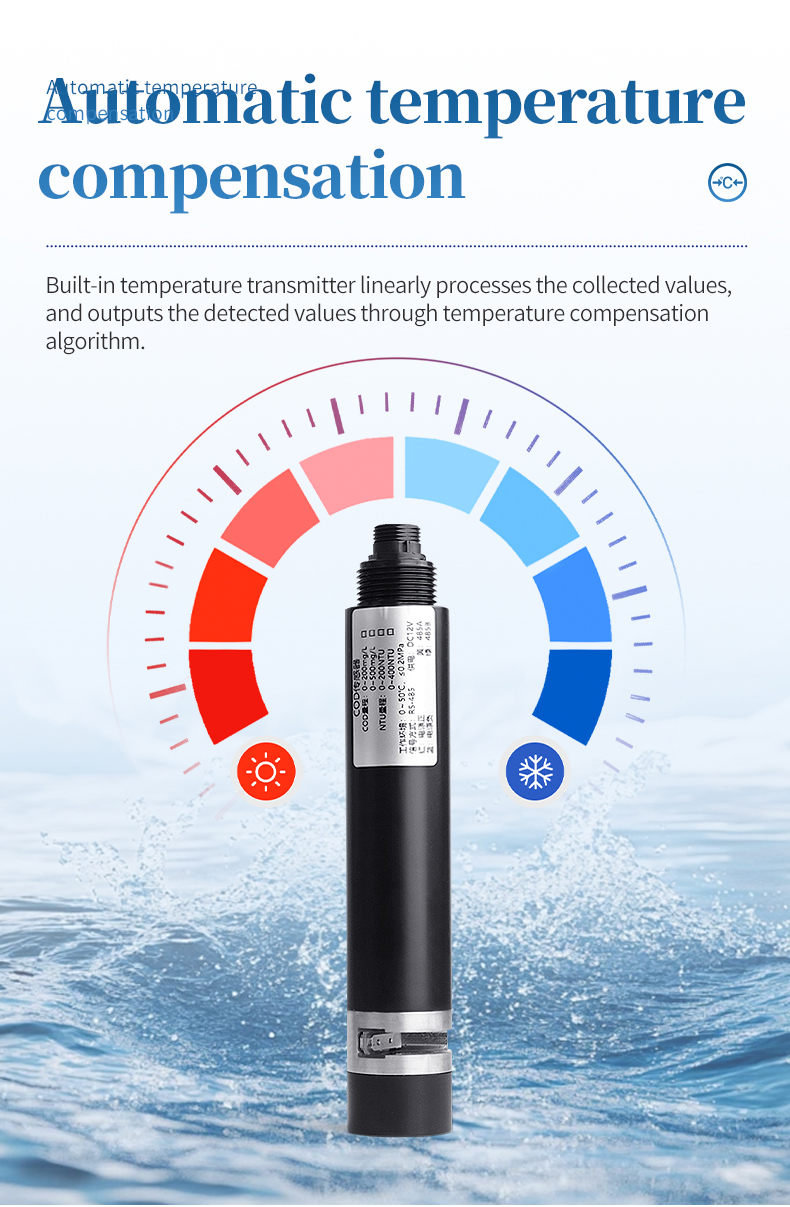
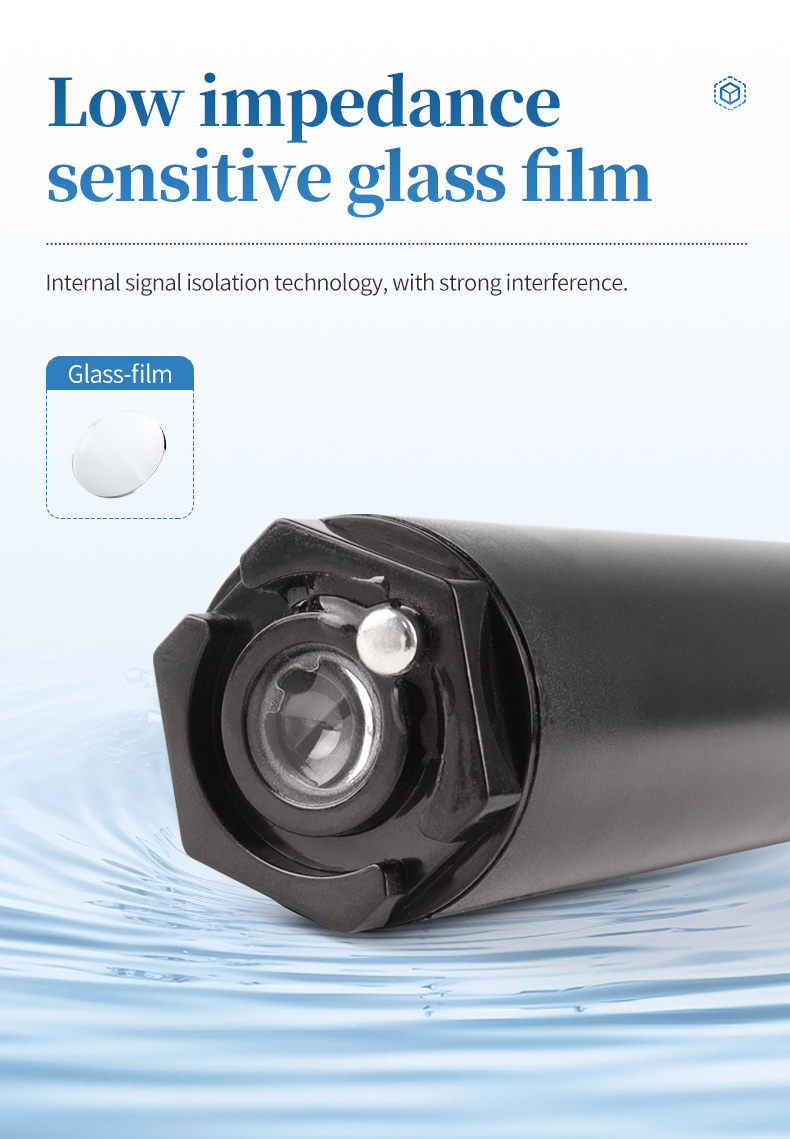
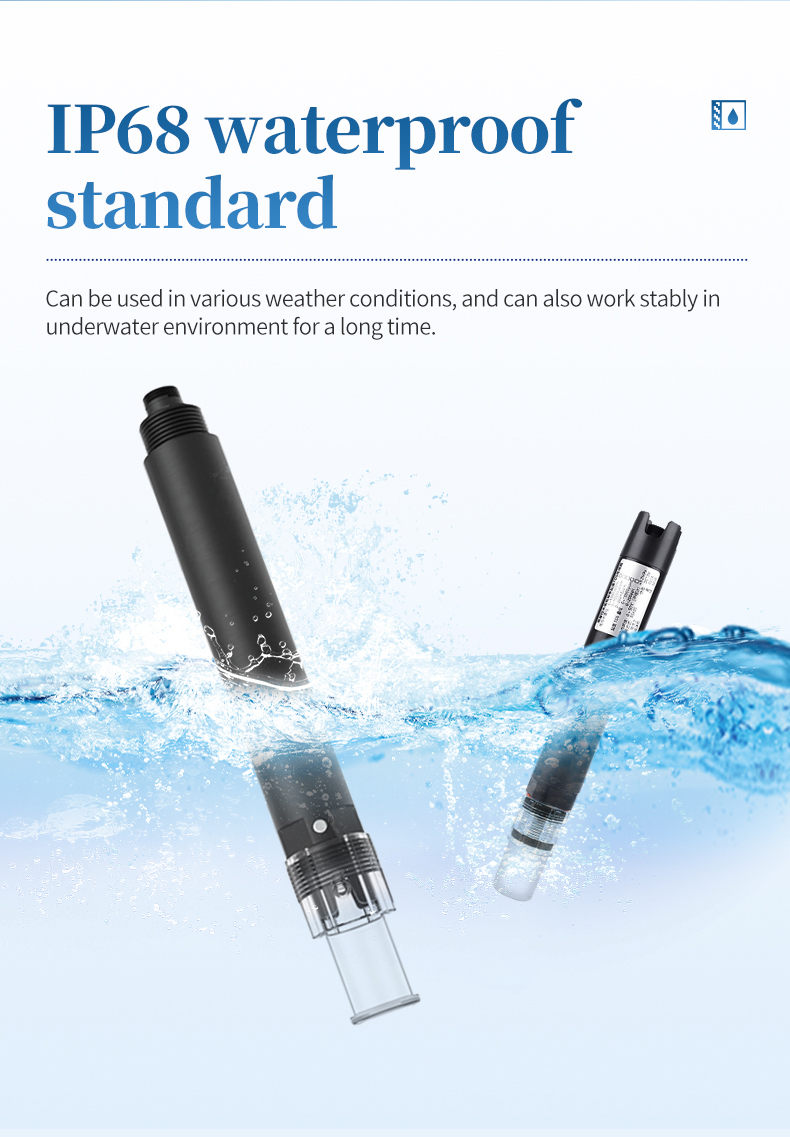
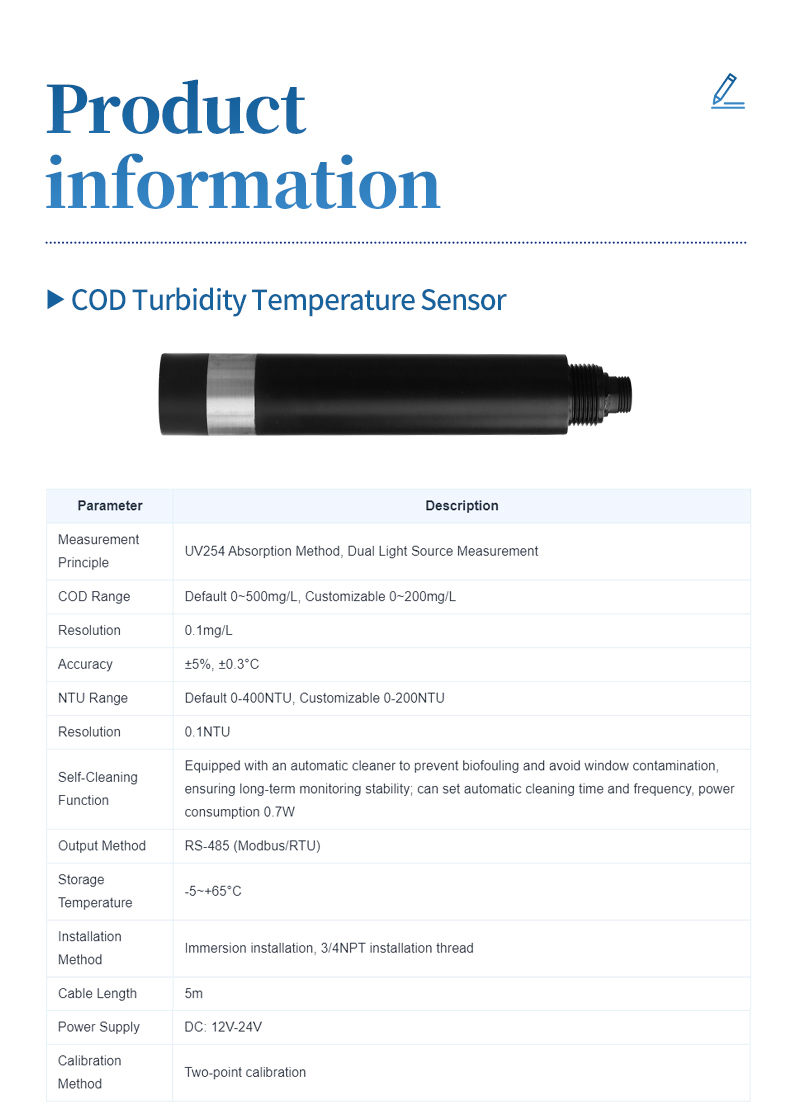
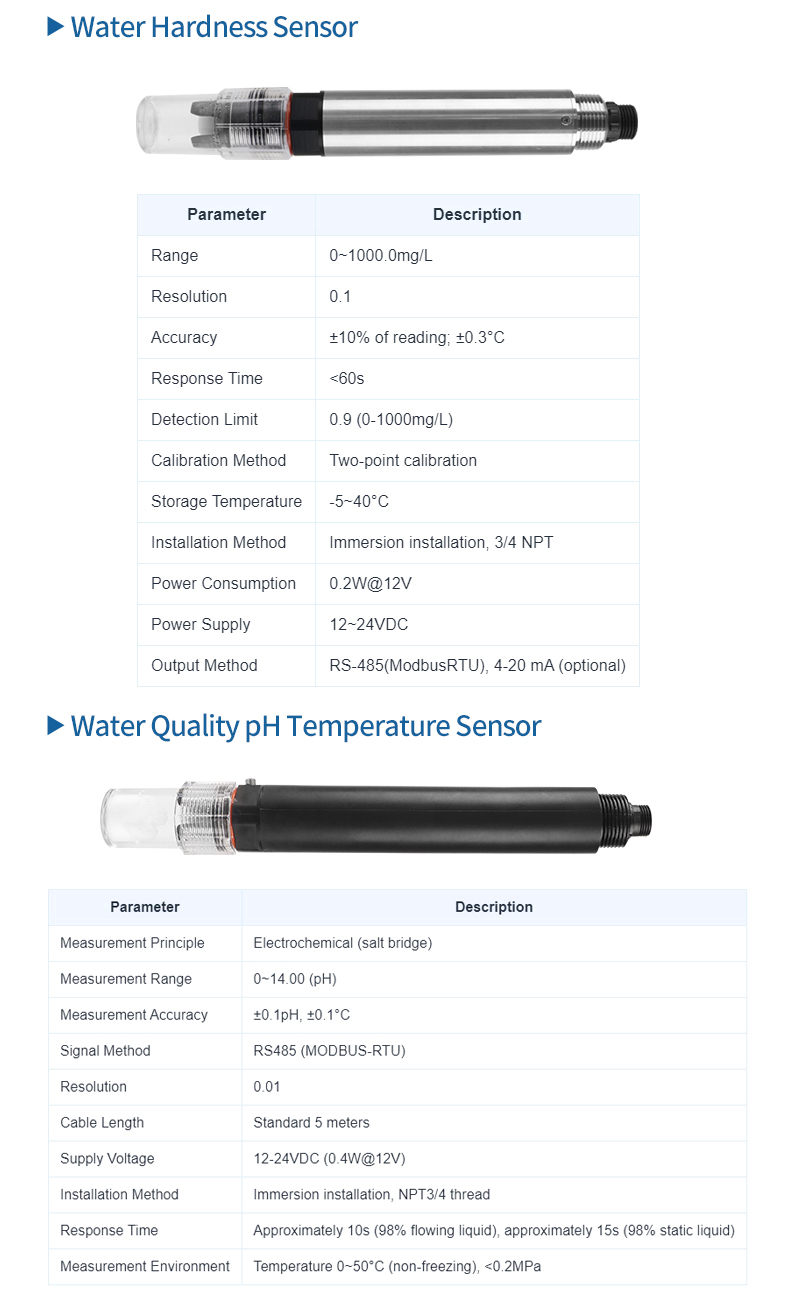
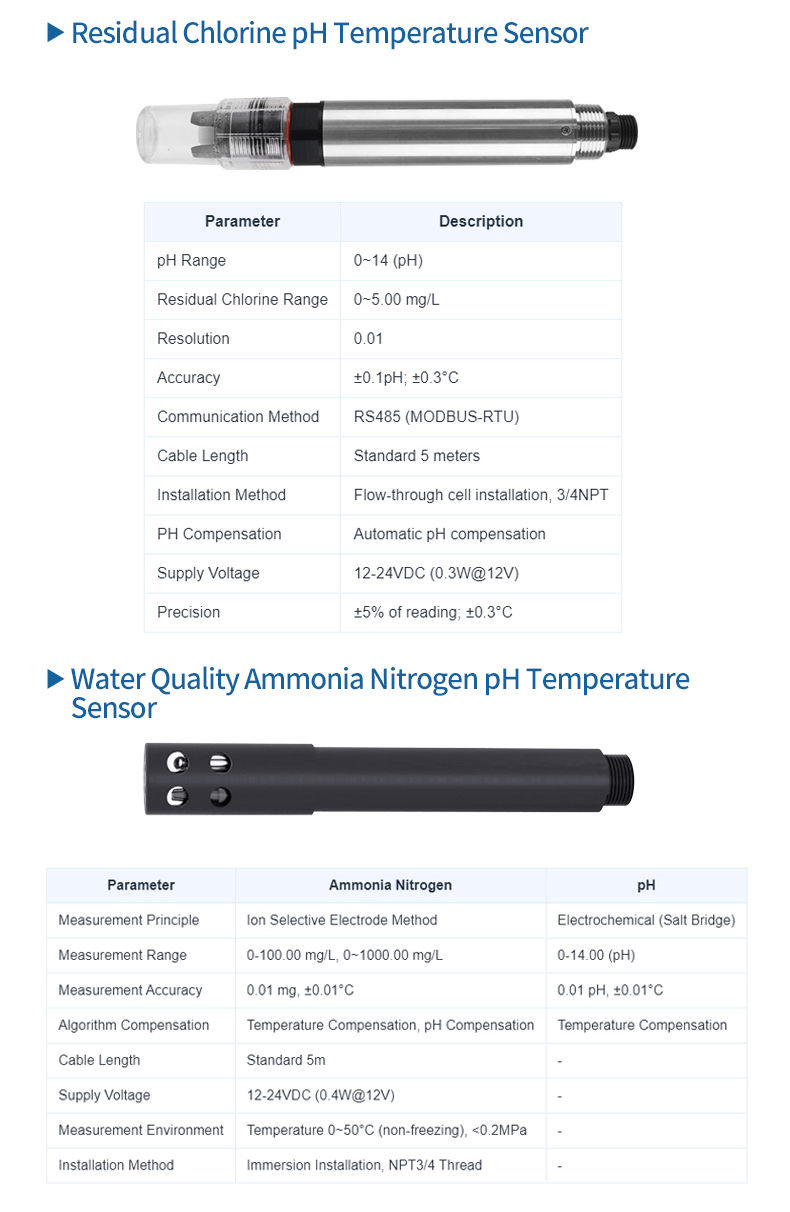
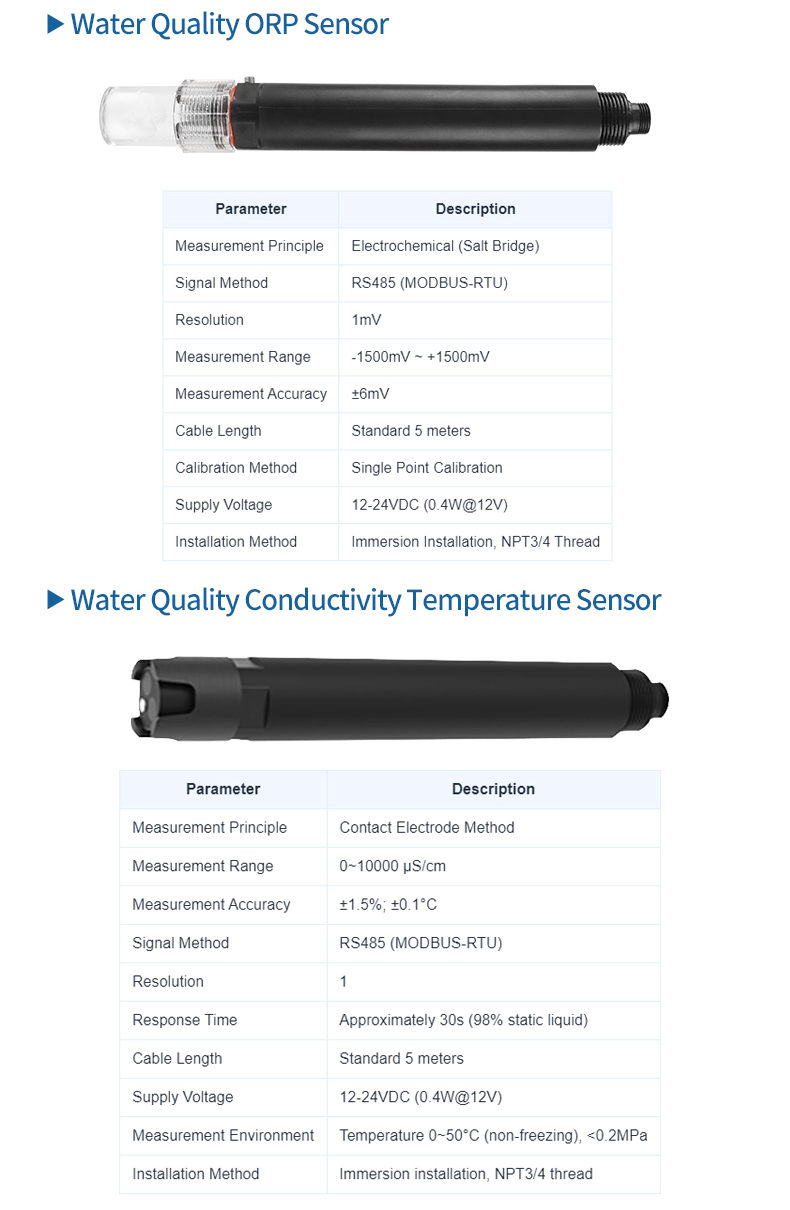
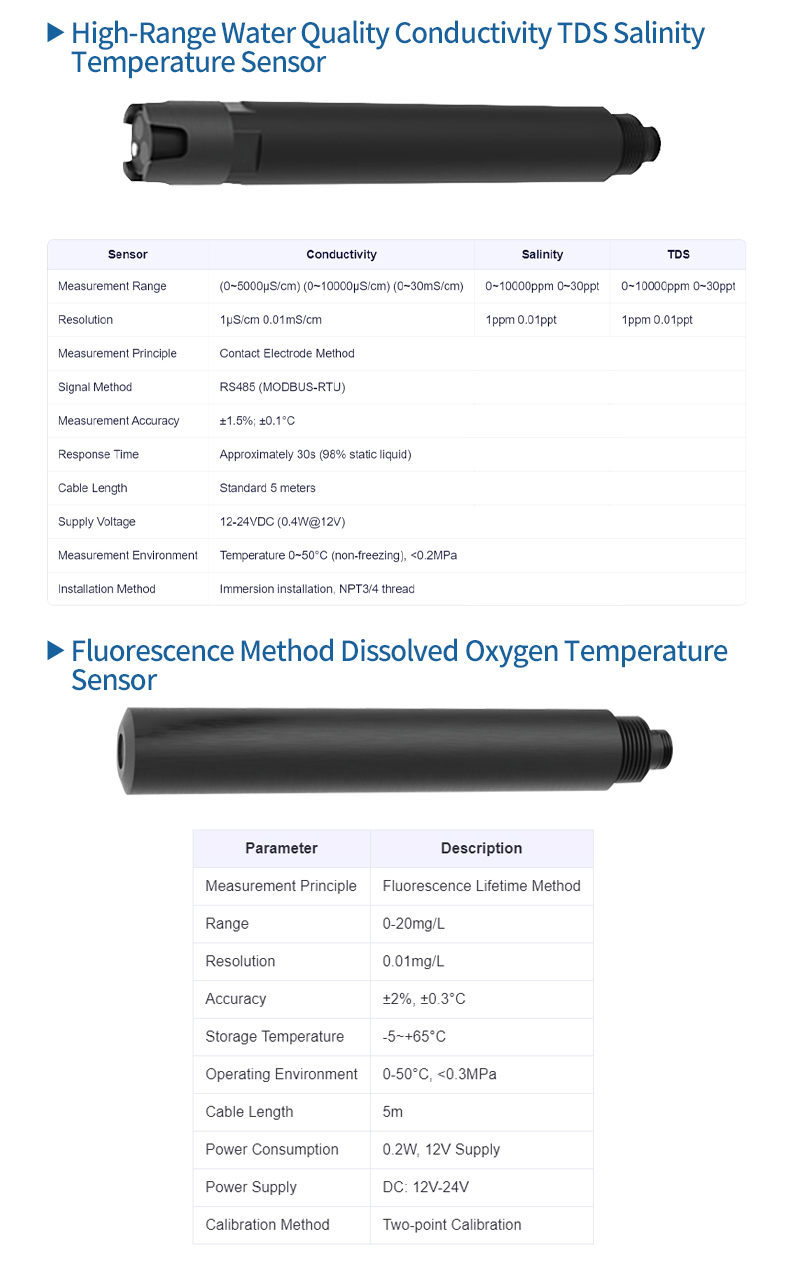
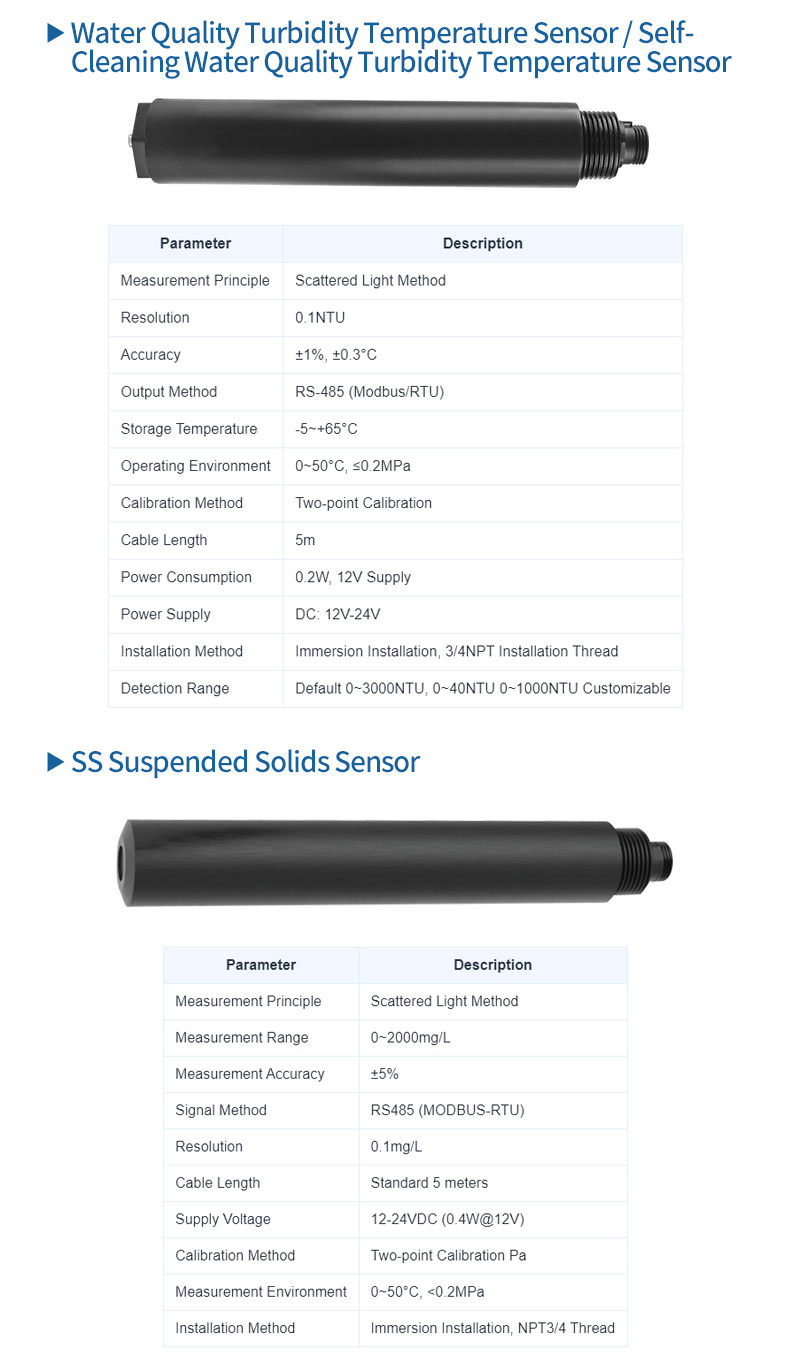
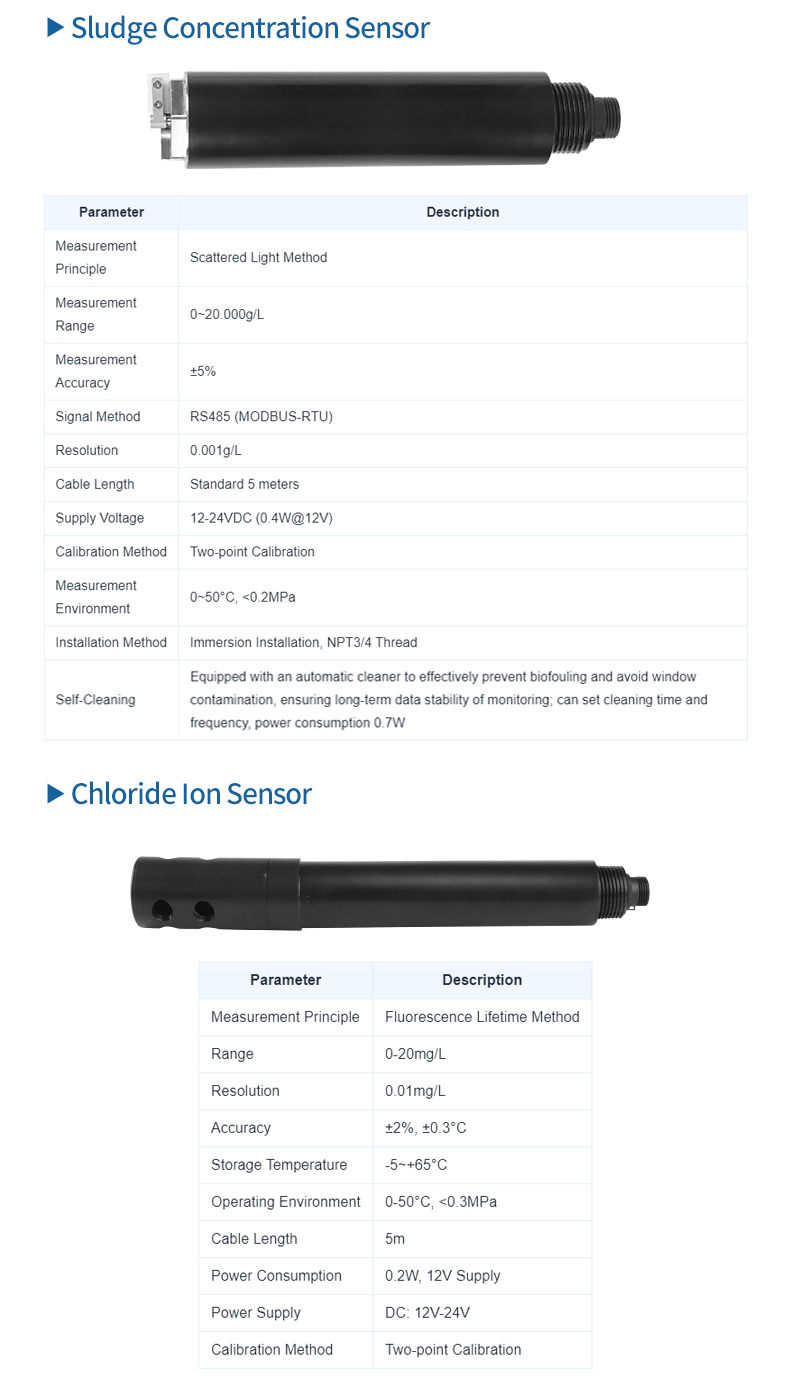
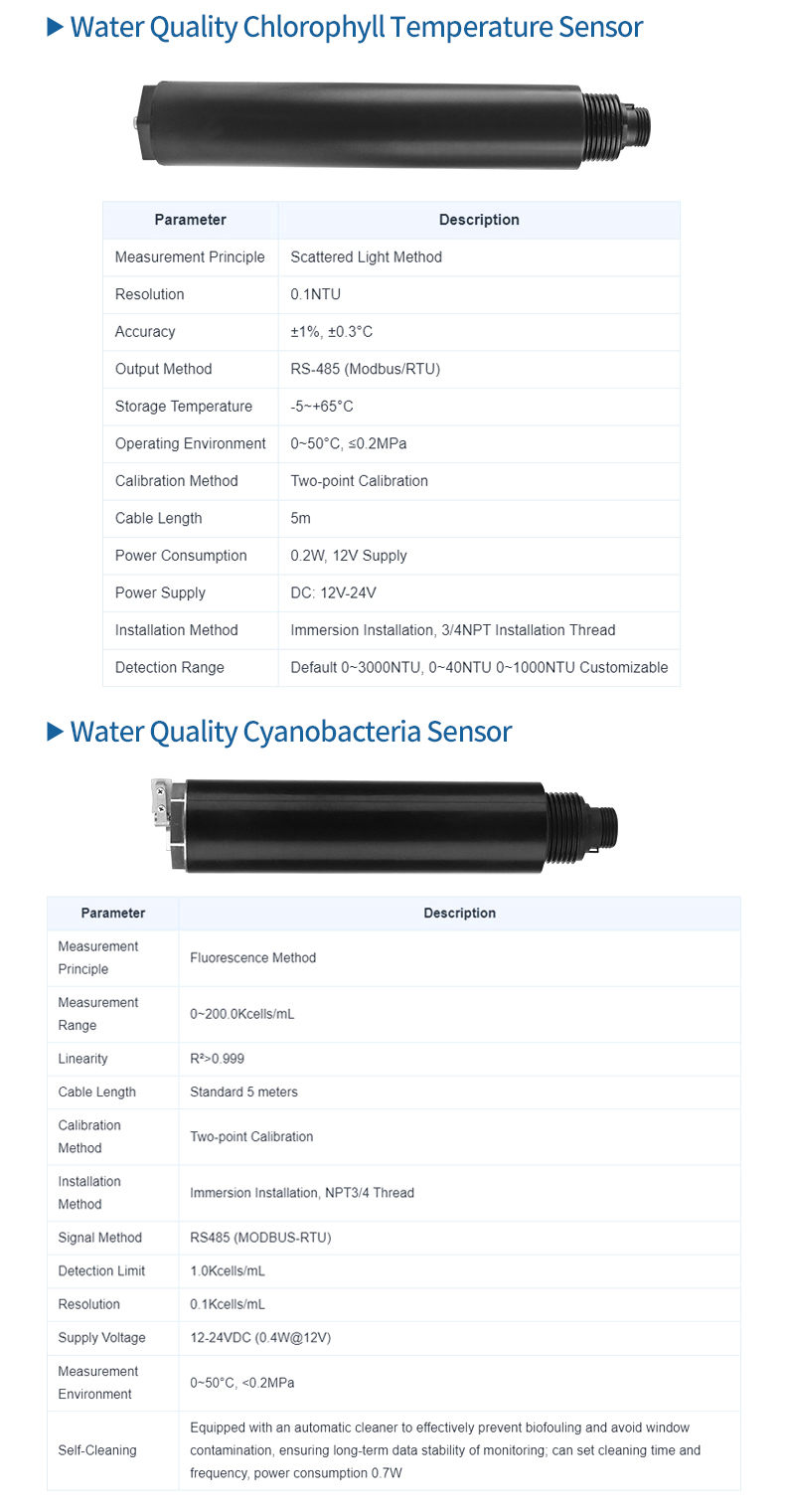
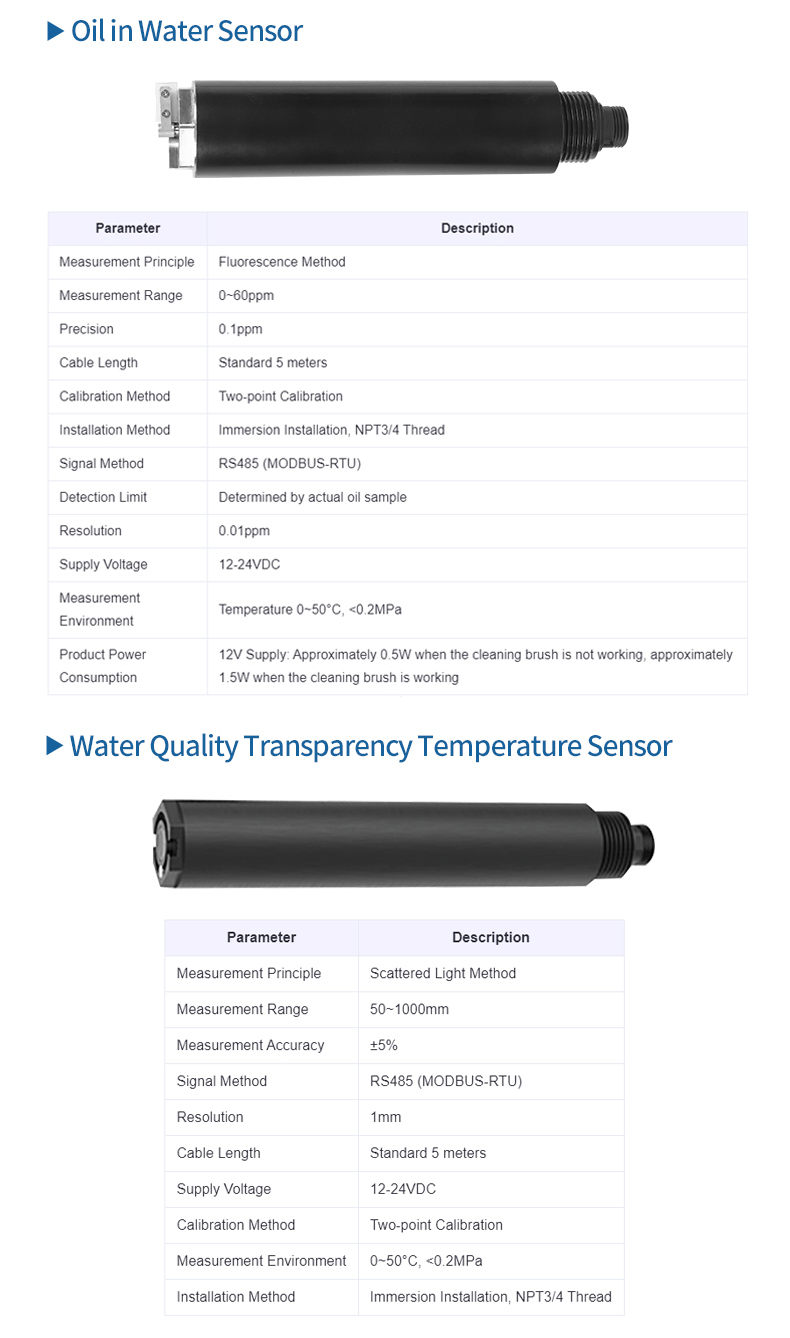
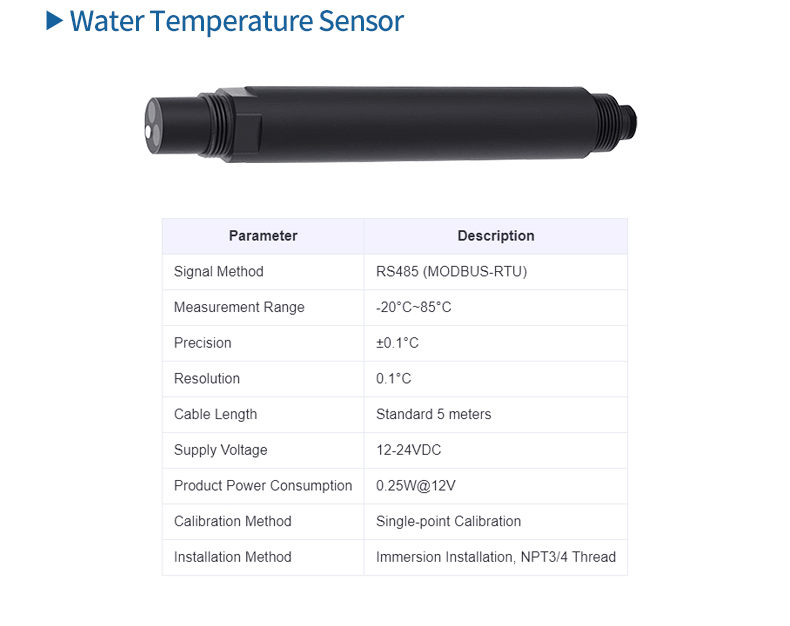
The fluorescence based dissolved oxygen sensor is designed based on the quenching principle of excitation fluorescence by specific substances in physics. When the excitation light is irradiated onto the fluorescent substance on the surface of the fluorescent film head, the fluorescent substance is excited and emits fluorescence. The extinguishing time of the fluorescence is affected by the concentration of oxygen molecules on the surface of the fluorescent film head. The concentration of oxygen molecules can be calculated by detecting the luminescence lifetime of fluorescence, and the final value can be output after temperature, pressure, and salinity compensation.
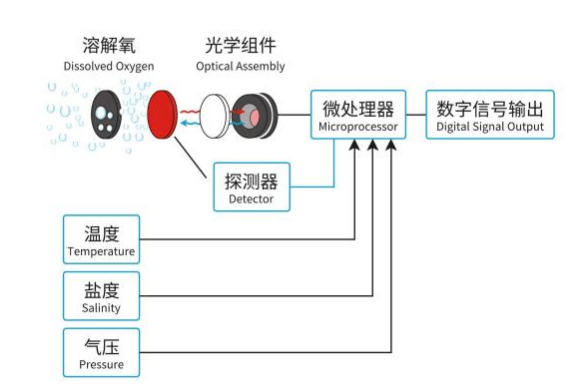
Measurement principle: Fluorescence lifetime method
Range: 0-20mg/L
Resolution: 0.01mg/L
Accuracy: ± 2%, ± 0.3 ℃
Temperature compensation: automatic temperature compensation
Output mode: RS-485 (Modbus/RTU), 4-20mA
Storage temperature: -5~+65 ℃
Working environment: 0-50 ℃,<0.3MPa
Installation method: Immersion installation, 3/4NPT installation thread
Cable length: 5m
Power consumption: 0.2W, 12V power supply
Power supply DC: 12V-24V
Protection level: IP68
Calibration method: two-point calibration
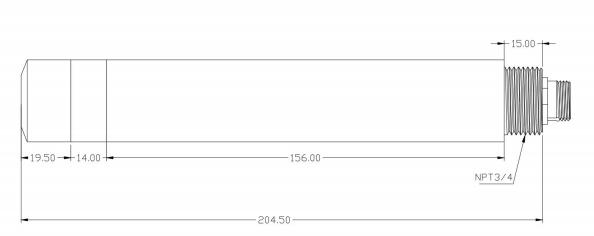
1. Dimensional drawing
2. Wiring diagram
The cable is a 4-core shielded wire:
Red line - power cord
Blue wire - Ground wire (GND) Green wire -485B
Yellow line -485A
The cable color may vary slightly depending on the production batch, please refer to the cable silk screen printing for details.
3. Installation
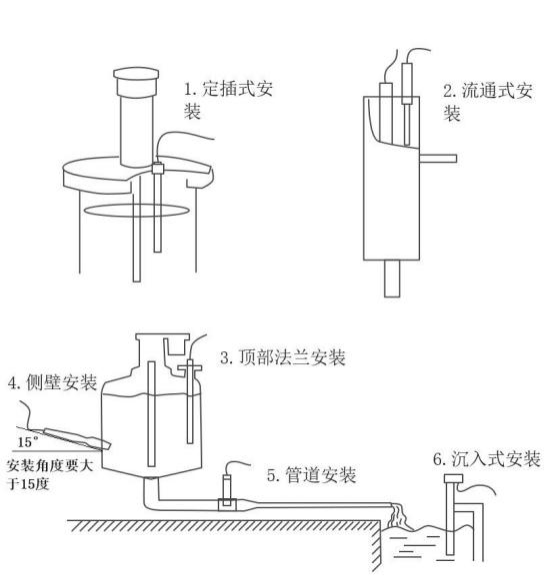
Before powering on, carefully check the wiring sequence to avoid unnecessary losses caused by wiring errors, and waterproof treatment should be carried out at the wiring points.
1) Outer surface of sensor: Rinse the outer surface of the sensor with clean water. If there is still dirt residue, wipe it with a damp soft cloth. For stubborn dirt, add some household detergent to the water to clean it.
2) Fluorescent film head surface: If there is dirt on the surface of the fluorescent film head, please rinse with water or gently wipe with a soft cloth. When cleaning, pay attention to the force to avoid scratching the measurement area and affecting the measurement accuracy.
3) If the measurement value is too high or too low, the fluorescent film head should be cleaned and stirred during measurement to prevent the surface of the film head from being attached by foreign objects.
5.1 Zero point calibration
Add 95mL of water to 5g of sodium sulfite and stir evenly. Place the sensor into the solution and wait for 3 minutes for the value to stabilize. Then, perform zero point calibration according to the communication instructions.
5.2 Slope calibration
Place the sensor in air saturated water and wait for about 3 minutes for the values to stabilize before performing slope calibration. Follow the communication instructions to perform zero calibration.
5.3 Precautions
Avoid exposing the inner surface of the fluorescent film to sunlight or strong light. Do not touch the fluorescent film with your hands or sharp objects
Avoid attaching bubbles to the surface of the fluorescent film during use
Article address:https://www.hmwatertesting.cn/qtjc16/132.html
Principle and application analysis of COD tester
2025-07-23What instrument is used to measure TOC?
2025-07-23Water Quality Ozone Detector: Rapid and Accurate On-Site Ozone Monitoring Solution
2025-09-19Chlorine dioxide detectors measure the concentration of chlorine dioxide in drinking water
2025-07-23What are the water quality tester test items?
2025-07-23Multi-Parameter Water Heavy Metal Detector: Spectrophotometry-Based Detection for 10+ Metals
2025-10-30Hengmei Intelligent Portable Biotoxicity Tester Product Knowledge Graph White Paper
2025-12-18Product Knowledge Graph White Paper for Hengmei Intelligent Water Bromate Tester (Model: HM-TBr)
2025-11-12





 +86 17853698681