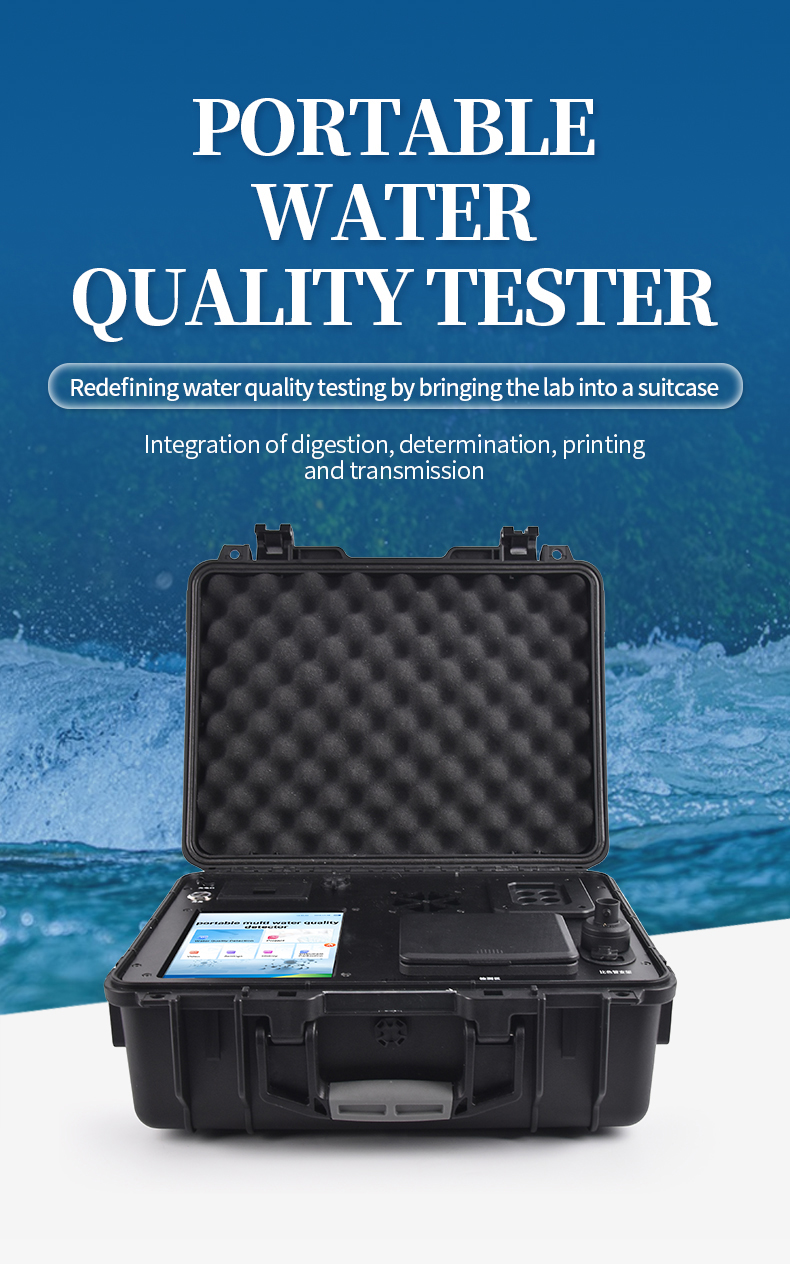



Product Introduction
Permanganate index is the single most important organic pollution indicator for drinking water regulation in China and many international frameworks. Under GB 5749 (Standards for Drinking Water Quality), the permanganate index must not exceed 3 mg/L at the consumer's tap. Under GB 3838 (Environmental Quality Standards for Surface Water), it serves as the key parameter for classifying surface water quality from Grade I through Grade V. Despite this regulatory centrality, most portable water quality analyzers treat permanganate index as just one among many parameters — resulting in suboptimal detection limits, unnecessary multi-parameter cost, and workflows designed for COD-heavy industrial applications.
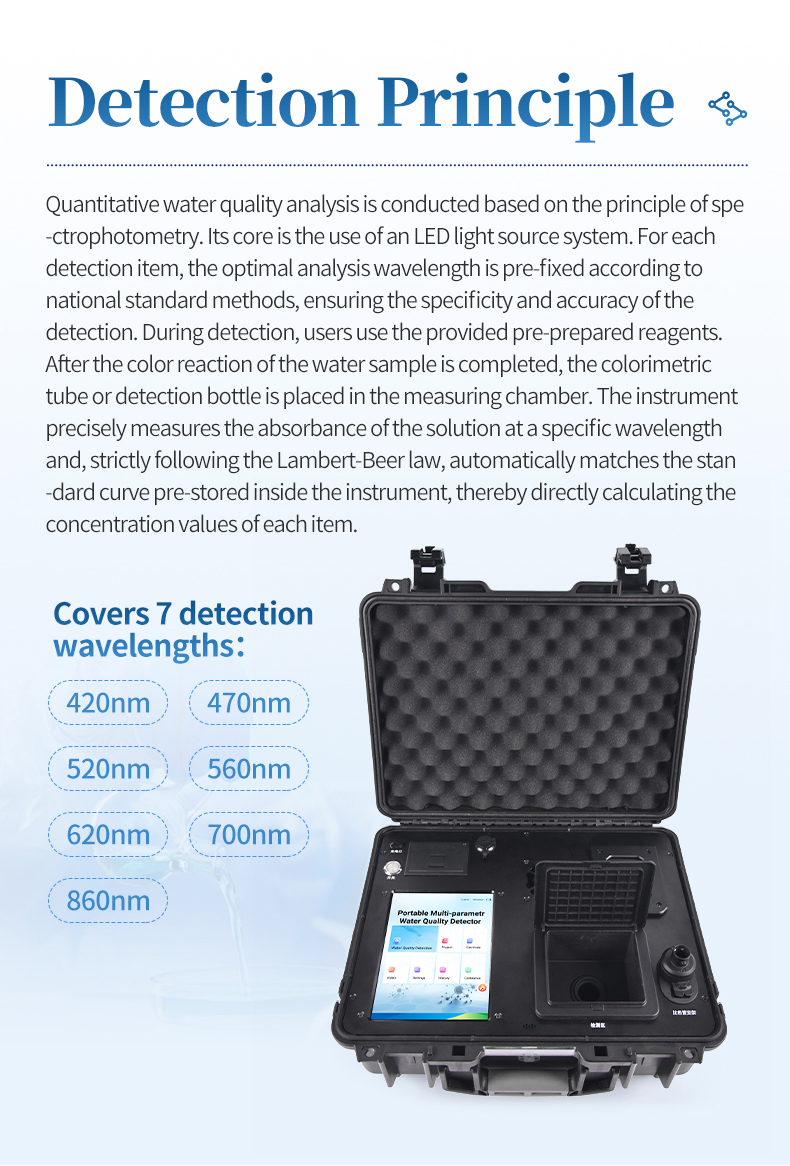
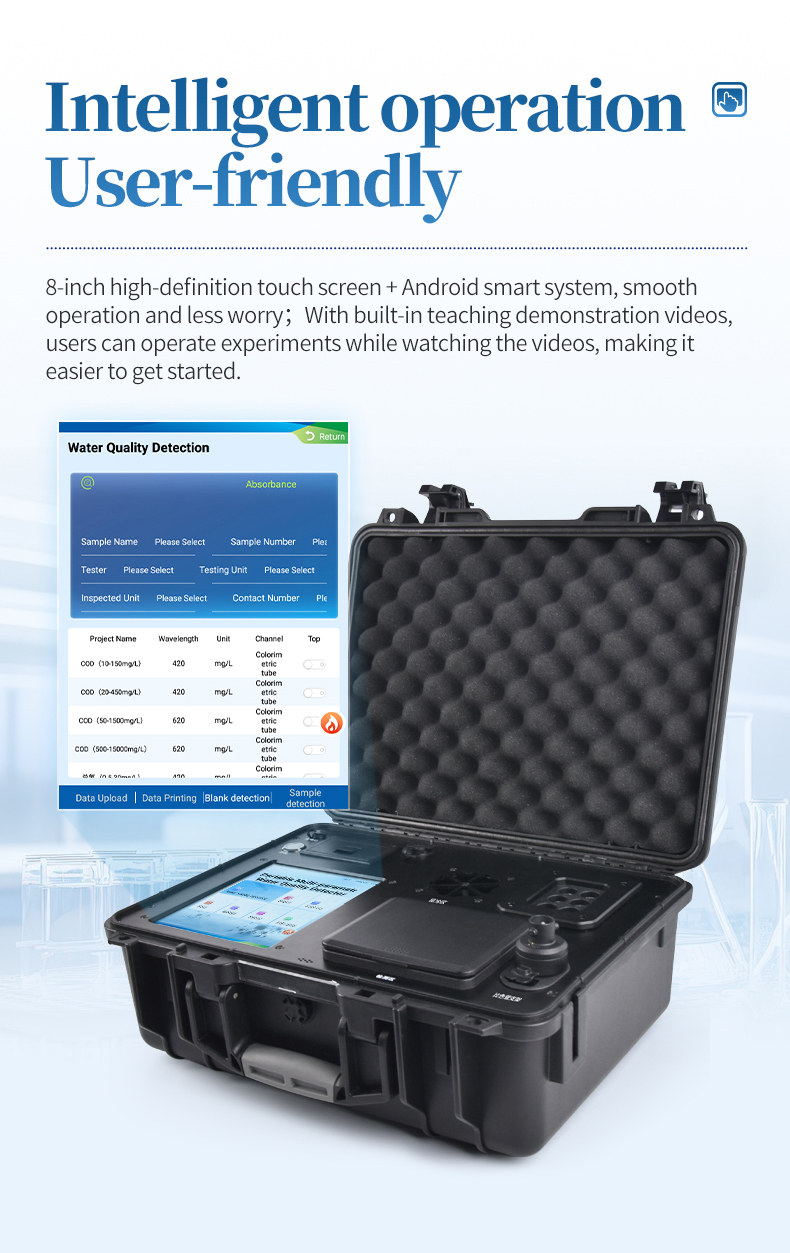
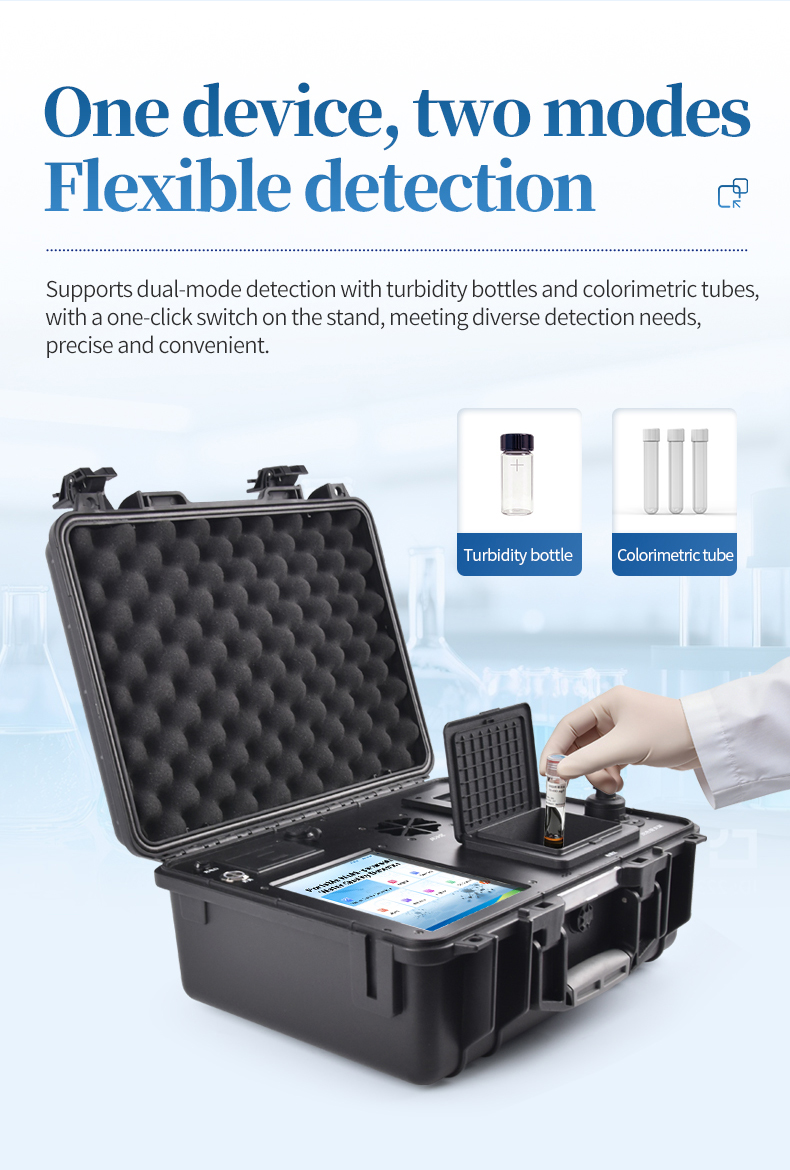
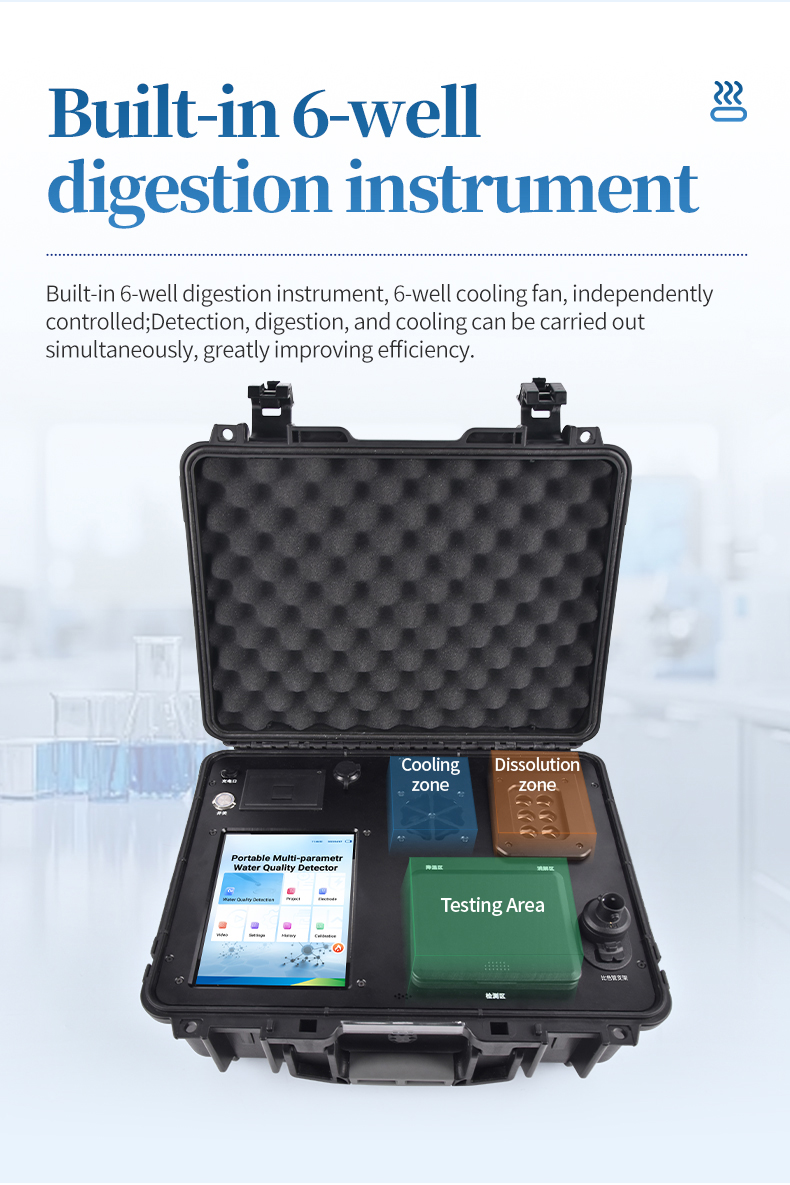
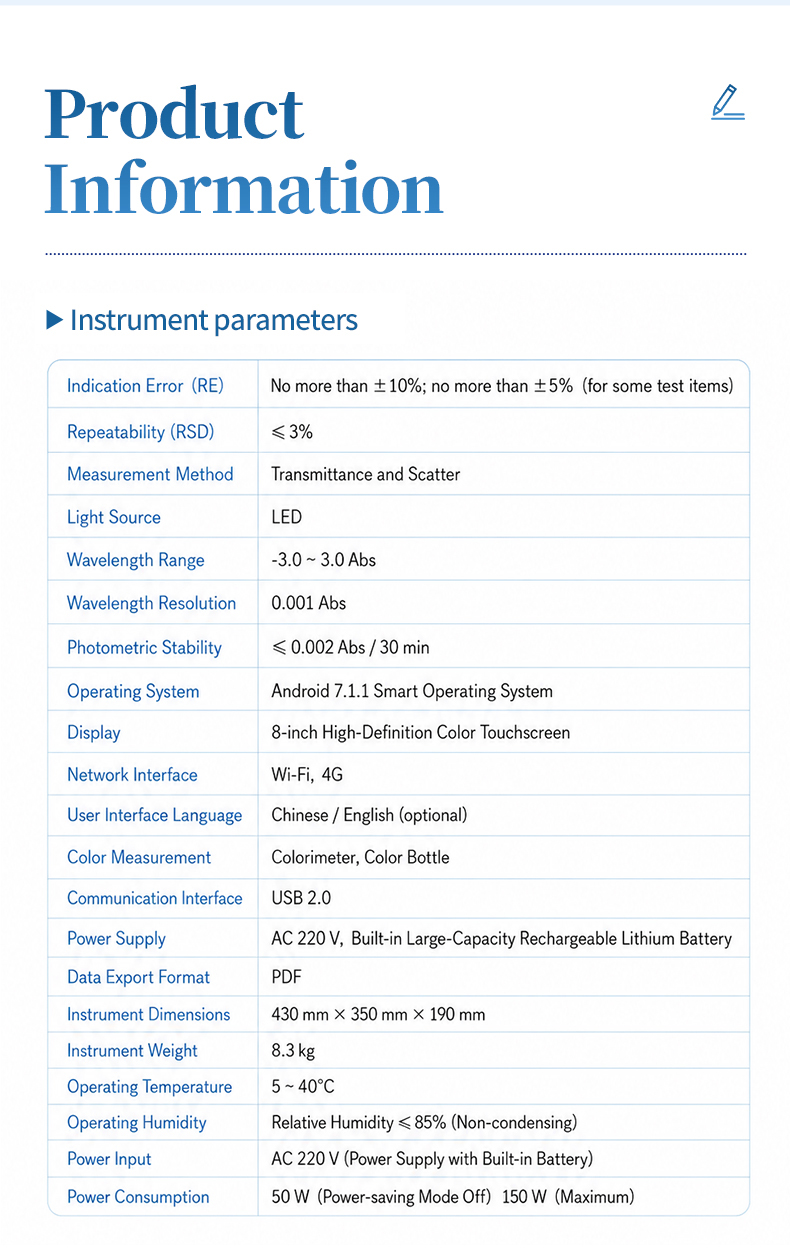
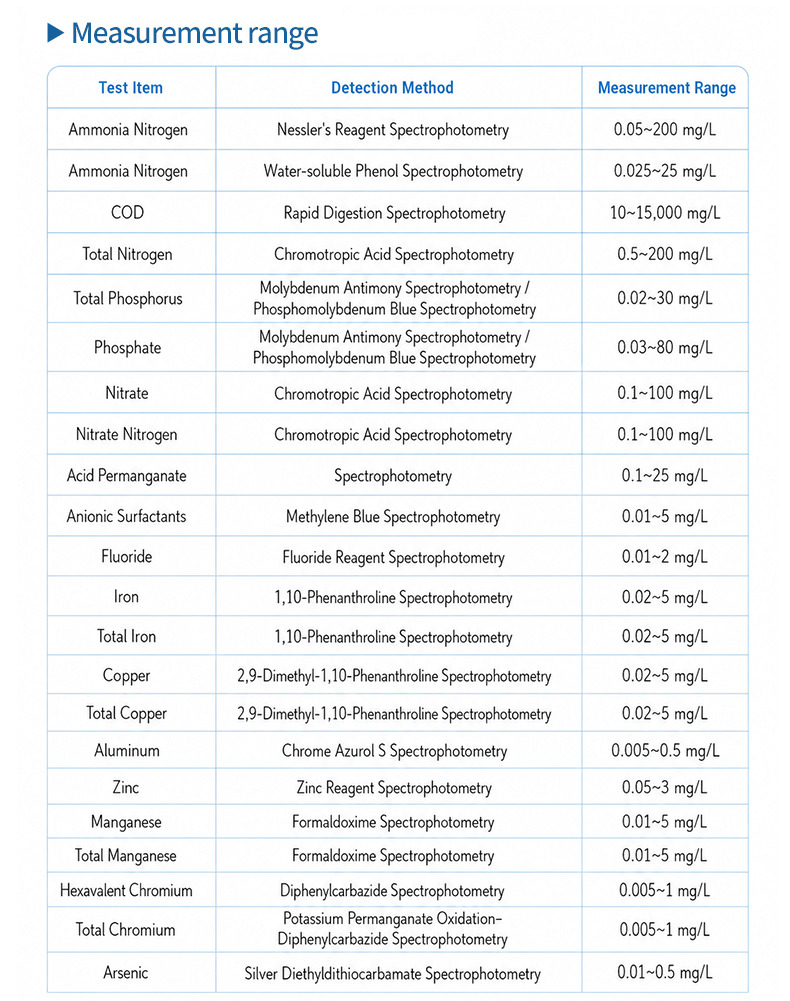
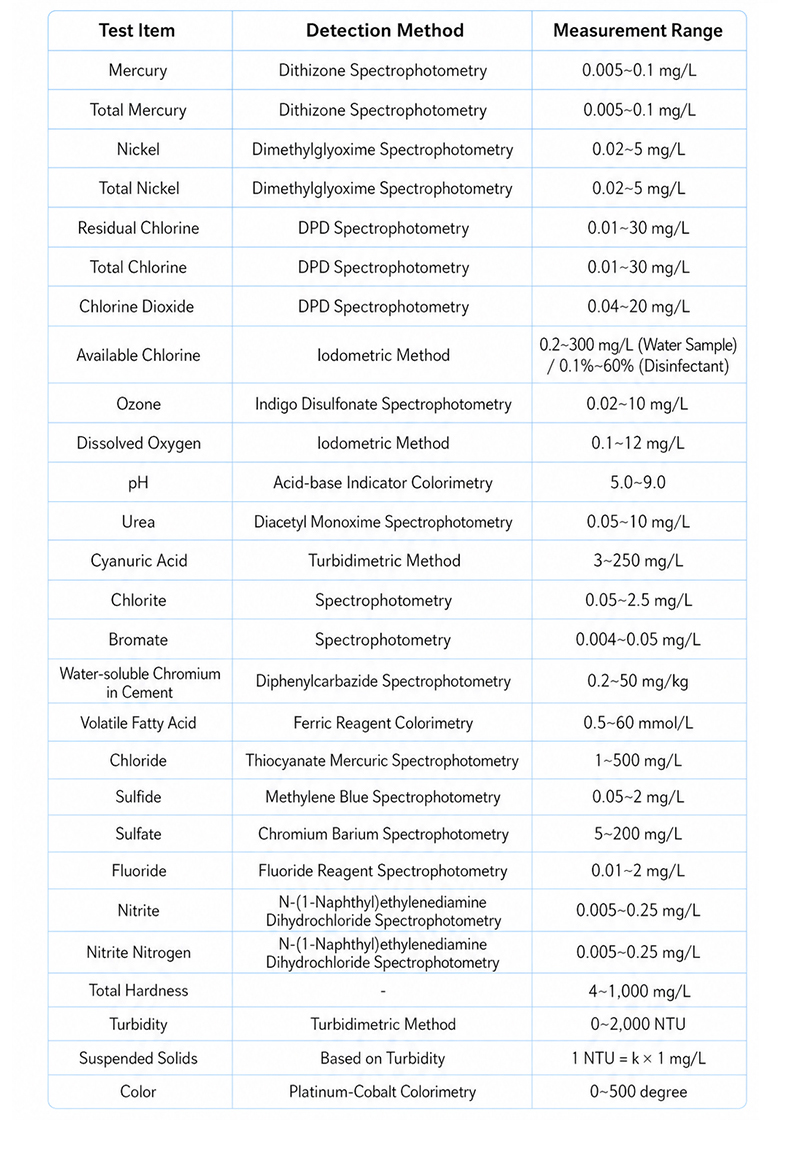
The HM-BLCMn Portable Permanganate Index Analyzer changes this paradigm. Engineered from the ground up for permanganate index determination, it employs the acidic potassium permanganate spectrophotometric method with 420/620 nm dual-wavelength detection optimized specifically for this single parameter. The segmented measurement range of 0.25–25 mg/L is calibrated to span from the GB 5749 drinking water limit (3 mg/L) through the GB 3838 Grade V threshold, with 0.001 Abs resolution ensuring reliable quantification near regulatory boundaries. The integrated digestion module performs the mandatory acidic permanganate heating cycle within the instrument enclosure — no external water bath, no laboratory digestion system, no sample transport delay.
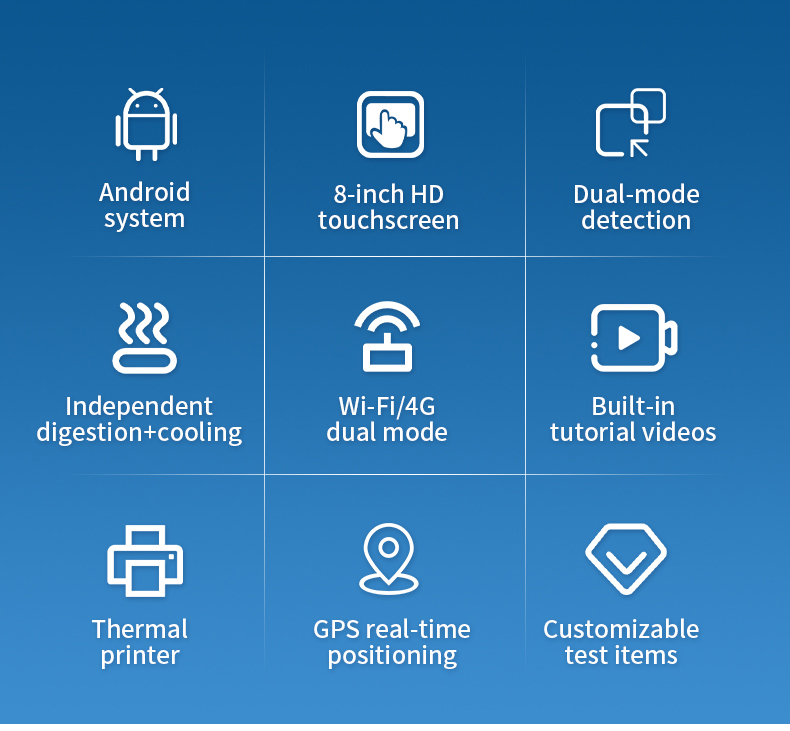
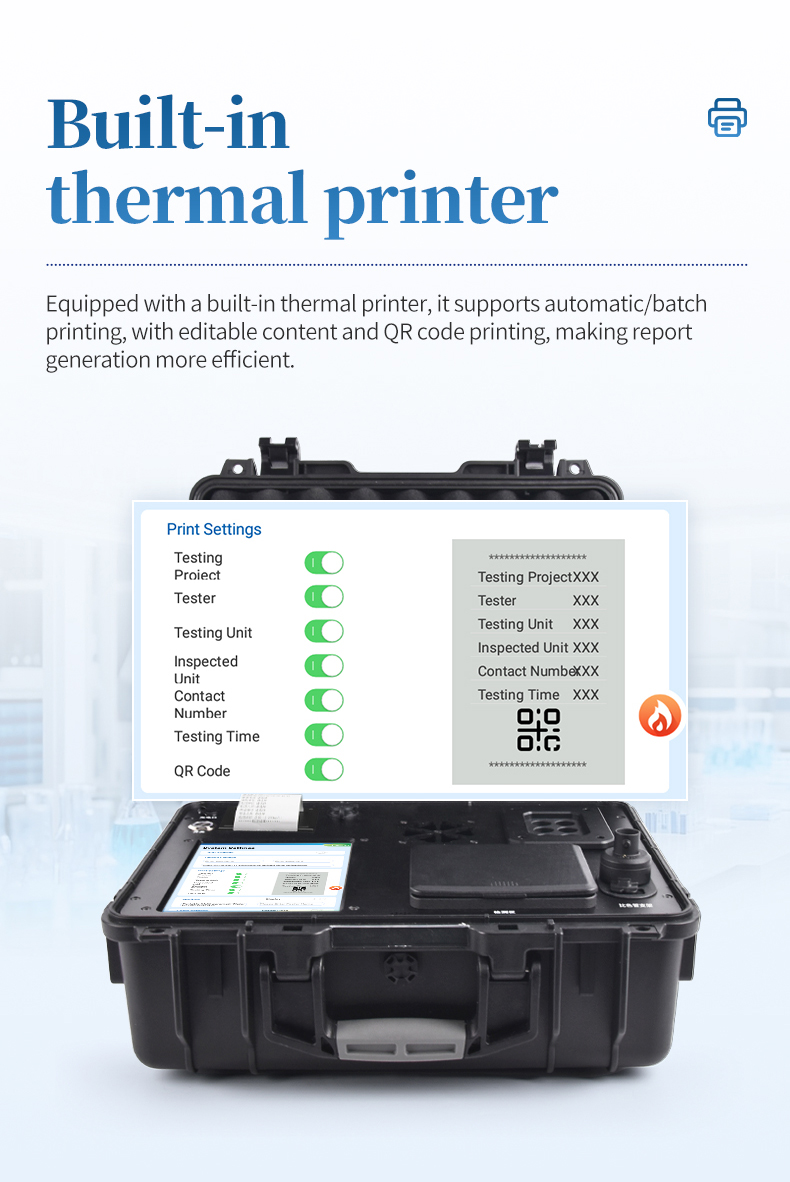
For water treatment operators, environmental monitoring teams, and regulatory inspectors, the HM-BLCMn eliminates the compromise between field portability and method-compliant accuracy. Results are available on-site within minutes, printed via the built-in thermal printer, and uploaded automatically through 4G or Wi-Fi to your cloud compliance platform with GPS-tagged coordinates. At $1,100 and 8.3 kg, it is the most cost-effective and field-ready solution for dedicated permanganate index monitoring in the HM-BL product lineup.
Applications
- Drinking Water Treatment Plants — Continuous permanganate index monitoring at raw water intake, treatment process checkpoints, and finished water discharge for GB 5749 compliance documentation.
- Surface Water Quality Stations — Permanganate index measurement for GB 3838 water quality classification of rivers, lakes, and reservoirs across watershed monitoring networks.
- Municipal Water Supply Networks — Routine permanganate index testing at distribution system sampling points to verify consumer tap water compliance.
- Groundwater Source Protection — Organic contamination screening in well fields and spring sources designated for drinking water supply.
- Environmental Impact Assessment — Baseline and operational-phase permanganate index data collection for EIA submissions related to construction and industrial projects.
- Rural Drinking Water Safety — On-site permanganate index verification for small community water systems and decentralized treatment facilities.
- Food & Beverage Industry — Process water and effluent permanganate index monitoring where organic load affects product quality and discharge compliance.
- Third-Party Testing — Portable permanganate index analysis for on-site sampling and immediate reporting, reducing sample transport and turnaround time.
Key Features and Advantages
- Purpose-Built for Permanganate Index: The only HM-BL model exclusively dedicated to this parameter — every optical path, reagent system, and calibration curve is optimized for acidic potassium permanganate method accuracy.
- GB 5749 & GB 3838 Aligned: Measurement range (0.25–25 mg/L) precisely covers drinking water limits and surface water classification thresholds with regulatory-grade resolution.
- Integrated Digestion Module: On-board heating block performs the mandatory acidic permanganate digestion cycle — no external water bath or laboratory digestion equipment required.
- Dual-Wavelength Detection (420/620 nm): Optimized for the acidic potassium permanganate chromogenic system, ensuring stable absorbance readings across the full measurement range.
- 0.001 Abs Resolution: Laboratory-grade optical precision at regulatory threshold levels, critical for pass/fail determinations at the 3 mg/L GB 5749 boundary.
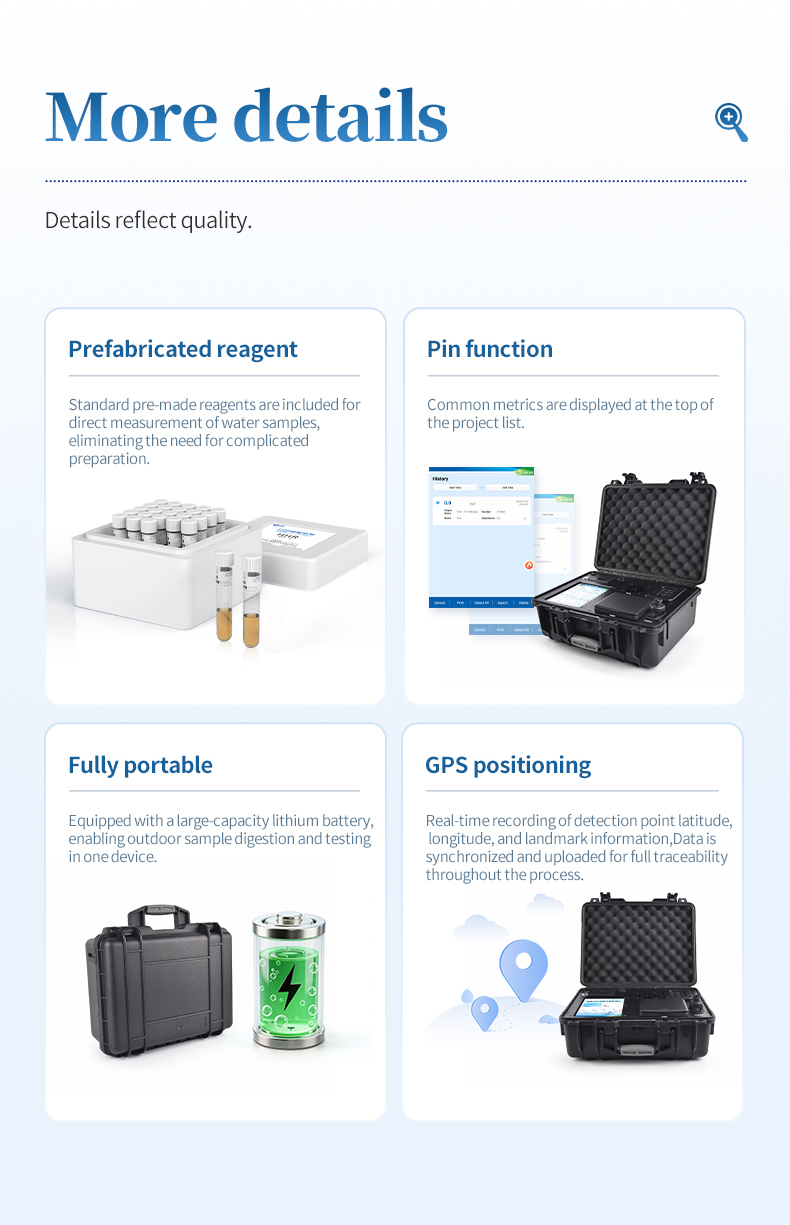
- GPS-Tagged Cloud Reporting: Built-in GPS stamps coordinates; 4G/Wi-Fi pushes results to cloud platforms for centralized compliance tracking and audit documentation.
- On-Site Thermal Printer: Generates tamper-evident hard-copy reports immediately after analysis for regulatory submission and chain-of-custody requirements.
- Cost-Effective Single-Parameter Solution: At $1,100, the HM-BLCMn provides dedicated permanganate index capability without paying for unused multi-parameter channels.
- Dual Power Supply: AC 220V mains for bench use and built-in lithium battery for full-shift field deployment at remote water sources.
- Rugged Field-Ready Construction: 430 × 350 × 190 mm at 8.3 kg — portable by a single operator with shock-mounted optics for watershed survey campaigns.
- Automated Data Integrity: Timestamps, operator IDs, and GPS coordinates embedded in each record prevent data manipulation and support defensible compliance submissions.
- Rapid Analysis Cycle: Complete measurement including digestion and readout within 20–30 minutes per sample, enabling high-throughput monitoring schedules.
Technical Specifications
| Parameter | Specification |
|---|
| Model | HM-BLCMn |
| Product Name | Portable Permanganate Index Analyzer |
| Detection Method | Spectrophotometry (acidic potassium permanganate method) |
| Light Source | LED, dual wavelength: 420 / 620 nm |
| Absorbance Resolution | 0.001 Abs |
| Permanganate Index Range | 0.25–25 mg/L (segmented ranges) |
| Digestion Module | Integrated, programmable temperature and time |
| Printer | Integrated thermal printer |
| Connectivity | 4G / Wi-Fi |
| Positioning | GPS (built-in) |
| Cloud Platform | Supported — real-time data upload and dashboard |
| Power Supply | AC 220V + built-in lithium battery |
| Dimensions | 430 × 350 × 190 mm |
| Weight | 8.3 kg |
FAQ
What is permanganate index, and why is it important for drinking water safety?
Permanganate index (also called oxygen consumption or permanganate value) measures the amount of oxygen consumed by organic and oxidizable inorganic substances in water when treated with potassium permanganate under acidic conditions. It serves as a surrogate indicator for total organic matter content. Under GB 5749 (Chinese Standards for Drinking Water Quality), the permanganate index must not exceed 3 mg/L, making it one of the most critical routine monitoring parameters for water treatment plants and distribution networks. Elevated permanganate index values indicate organic contamination that may affect disinfection efficiency and produce harmful disinfection by-products.
How does the HM-BLCMn differ from a COD analyzer? Both measure organic pollution — when should I choose permanganate index over COD?
COD (Chemical Oxygen Demand) uses potassium dichromate under strong acidic conditions and measures virtually all organic compounds, making it suitable for industrial wastewater with high organic loads. Permanganate index uses potassium permanganate under milder acidic conditions and primarily measures easily oxidizable organic matter. For drinking water and surface water quality assessment, permanganate index is the mandated parameter under GB 5749 and GB 3838 because it specifically targets the organic fraction most relevant to human health and disinfection by-product formation. If your compliance obligation is drinking water or surface water classification, permanganate index is the required measurement — not COD.
Can the HM-BLCMn complete the full permanganate index measurement including digestion in the field?
Yes. The HM-BLCMn integrates a programmable digestion module within the instrument enclosure. After adding the acidic potassium permanganate reagent to the sample vial, you place it in the built-in heating block, which performs the mandatory heating cycle (typically 30 minutes at boiling water bath temperature) automatically. The system cools the sample before spectrophotometric measurement at 420/620 nm. The entire process — from sample addition to result — is completed within the instrument using internal battery or AC power, with no external equipment required.
What are the segmented measurement ranges, and which range should I use for drinking water monitoring?
The HM-BLCMn provides a segmented permanganate index range of 0.25–25 mg/L, with optimal precision in the lower segment covering 0.25–5 mg/L. For drinking water compliance monitoring under GB 5749 (limit ≤3 mg/L), use the low-range segment to achieve the best resolution near the regulatory boundary. The higher segments are applicable for source water with elevated organic loads or surface water quality classification under GB 3838. The instrument automatically selects or allows manual range selection based on expected sample concentration.
Is the acidic potassium permanganate method used by the HM-BLCMn compliant with Chinese national standard methods?
Yes. The HM-BLCMn employs the acidic potassium permanganate spectrophotometric method, which aligns with the GB/T 11892 standard (Water quality — Determination of permanganate index). This is the reference method for permanganate index determination specified in both GB 5749 and GB 3838 compliance frameworks. The instrument's pre-loaded calibration curves and reagent systems are designed to produce results consistent with this standard method.
How does cloud platform integration support regulatory compliance for drinking water monitoring?
Each measurement record uploaded to the cloud platform includes the permanganate index value, timestamp, operator ID, and GPS coordinates. The cloud dashboard aggregates data across multiple monitoring points and generates compliance reports aligned with GB 5749 reporting requirements. Automated threshold alerts notify operators when permanganate index values approach or exceed the 3 mg/L limit, enabling rapid response. Historical trend analysis supports long-term water quality assessment and regulatory audit documentation.
What is the battery runtime during field operation including the digestion cycle?
The built-in lithium battery supports approximately 6–8 hours of continuous operation including multiple digestion-measurement cycles. The digestion heating phase is the most power-intensive stage. For non-digestion measurements (if re-using pre-digested samples), runtime extends significantly. For extended field campaigns at remote water sources, AC 220V mains power or a vehicle inverter can be used. A single full charge typically covers a full day of routine permanganate index monitoring at a drinking water treatment plant.
Article address:https://www.hmwatertesting.cn/dcsz2/permanganate-index-analyzer-drinking-water.html

 Current
location:
Current
location: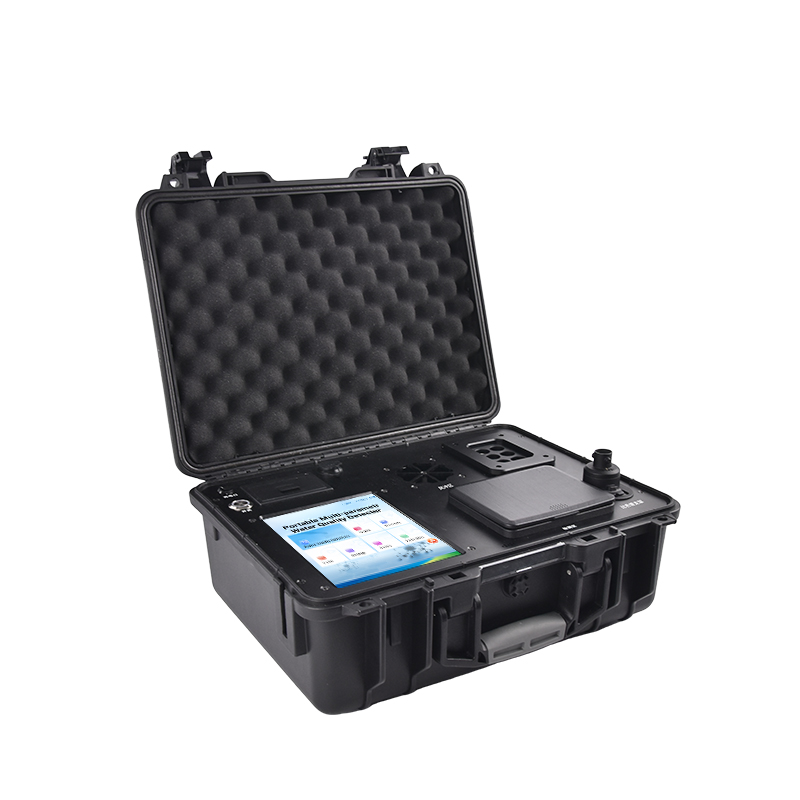
 +86 17853698681